How to Store Low Hydrogen Welding Rods Properly
Low hydrogen electrodes demand strict moisture control to prevent catastrophic weld cracking. Proper storage preserves structural integrity and ensures compliance with AWS standards.

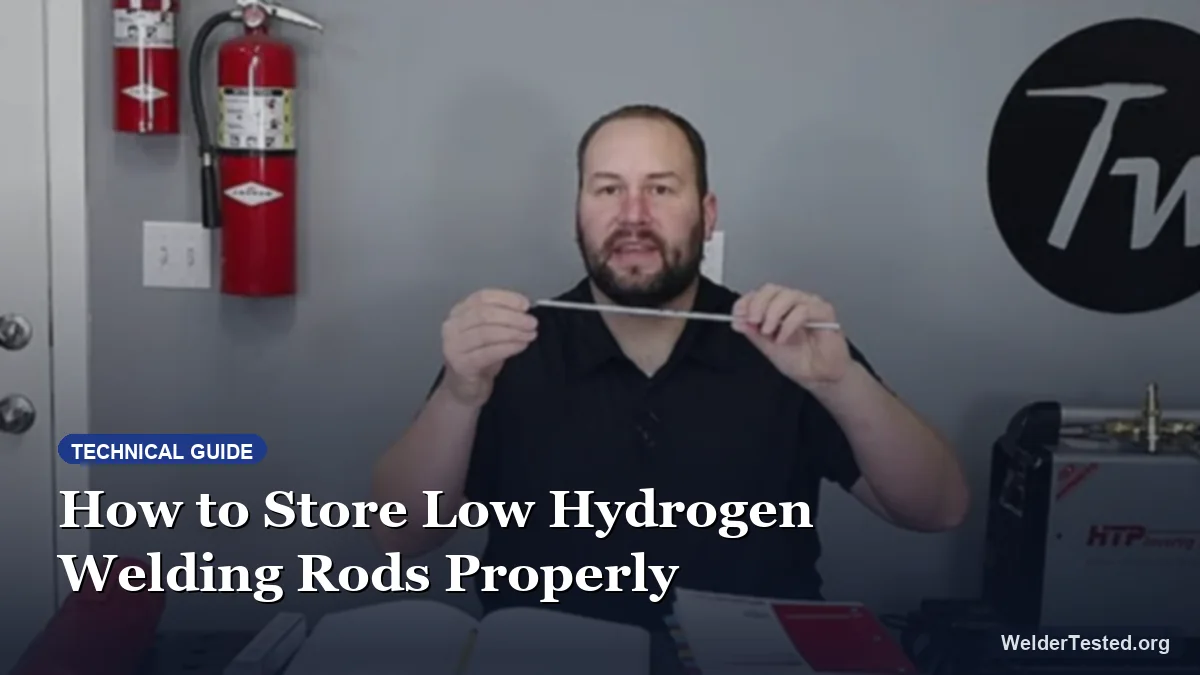
Always store opened low hydrogen rods in a heated cabinet maintained between 250°F and 300°F. Discard electrodes exposed to ambient humidity beyond code-specified maximum time limits.
Ready to compare models? Start with our Best Welder: Top Home Shop & Jobsite Picks Tested.
Practical Quick-Reference Table
| Scenario / Metric | Recommended Target | Why It Matters |
|---|---|---|
| Unopened Hermetic Can | Ambient dry room | Prevents moisture ingress |
| Opened Rod Holding Oven | 250°F to 300°F | Maintains dryness |
| E7018 Atmospheric Limit | 4 hours maximum | Avoids hydrogen pick-up |
| E7018R Exposure Limit | 9 hours maximum | Resists moisture longer |
| Re-baking Temperature | 500°F to 800°F | Drives out absorbed water |
| Storage Relative Humidity | Below 50 percent | Reduces baseline absorption |
Understanding Low Hydrogen Electrode Metallurgy and Moisture Vulnerability
Low hydrogen electrodes like E7018 rely on specially formulated flux coatings designed to minimize weld metal diffusion. These coatings readily absorb atmospheric moisture, transforming into a primary source of weld defects.
When absorbed moisture breaks down in the arc, atomic hydrogen enters the molten pool. Review process contrasts inside our mig welding versus tig welding comparison before selecting critical consumables.
Low hydrogen electrodes like E7018 rely on synthetic iron powder and limestone coatings. These materials minimize weld metal diffusible hydrogen levels, preventing underbead cracking in high-strength structural carbon steels during cooling cycles.
Moisture readily binds to the porous flux matrix via capillary action. Relative humidity exceeding 60 percent degrades electrode integrity within hours, pushing hydrogen content past AWS limits and risking catastrophic weld joint failure.
- Coating composition absorbs ambient humidity rapidly.
- Atomic hydrogen causes underbead cracking.
- AWS specifications mandate strict storage protocols.
- Moisture compromise ruins mechanical ductility.
Chemical Breakdown Mechanisms
Moisture molecules consist of hydrogen and oxygen atoms bound tightly until exposed to thermal energy. The intense electric arc dissociates these molecules, releasing free hydrogen directly into the liquid metal.
As the weld puddle solidifies, the hydrogen is trapped within the crystal lattice matrix. High residual stresses combine with this trapped gas to trigger catastrophic hydrogen-induced cold cracking.
- Thermal dissociation releases free hydrogen.
- Trapped gas compromises crystal lattice stability.
Unsealed Container Protocols and Factory Packaging Inspection
Hermetically sealed metal cans protect low hydrogen electrodes during transit and extended warehouse storage. Inspect every incoming container for punctures, dents, or broken seals before accepting inventory for shop use.
Once you open a sealed metal container, exposure limits begin. Compare process efficiency factors using our mig versus stick welding guide before your team consumes electrodes on the shop floor.
Hermetically sealed metal cans protect fresh electrodes using a pressurized nitrogen atmosphere. Always inspect container seams for dents, punctures, or seal failures before accepting shipments for critical structural fabrication environments.
Once opened, standard hermetic tins provide zero ongoing protection against ambient moisture. Transfer remaining electrodes immediately into heated storage cabinets maintained at minimum temperatures of 250 degrees Fahrenheit to prevent contamination.
- Inspect factory seals for airtight integrity.
- Reject damaged cans showing rust spots.
- Track opening times using marker labels.
- Keep unopened inventory off cold concrete floors.
Handling Hermetically Sealed Tins
Use safe opener tools to prevent metal shavings from contaminating the flux coating. Pry the lid away carefully without damaging the protective rubber gasket lining the container rim.
Transfer the exposed electrodes immediately into a heated holding oven or portable rod canister. Avoid leaving the entire contents exposed to workshop humidity on your welding bench.
- Prevent metal shavings inside the tin.
- Transfer rods to a heated cabinet.
Video Walkthrough: Search filters
Operating Portable Rod Ovens and Maintaining Field Temperatures
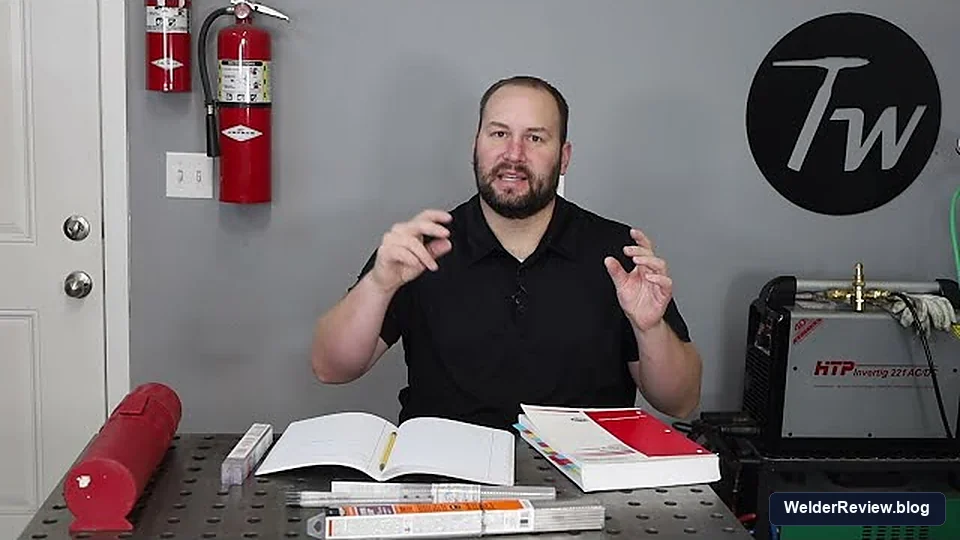
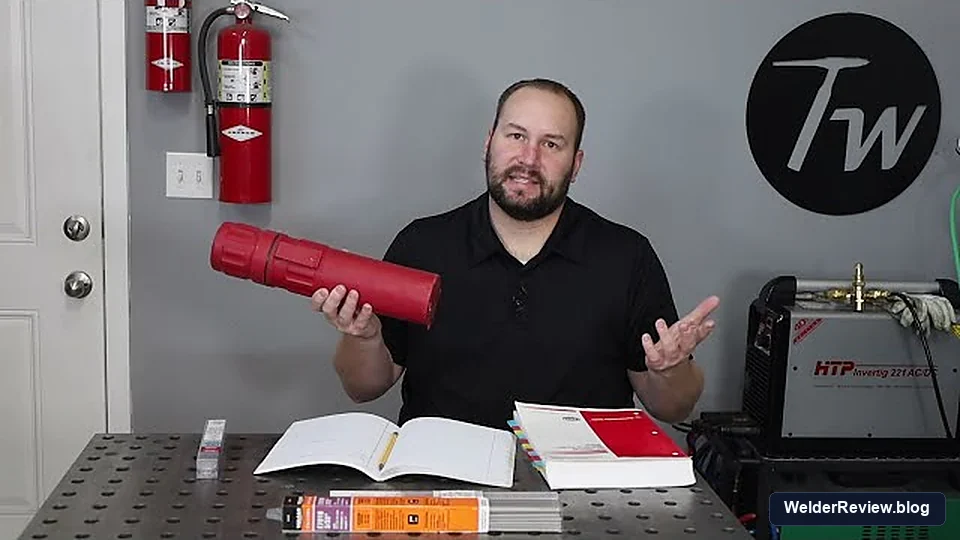
Portable rod canisters or field ovens are essential for maintaining electrode dryness right at the job site. These cylindrical containers plug into power sources to keep internal temperatures reliably elevated.
Set your portable oven thermostat to maintain a minimum internal temperature of 225°F. Ensure the lid latch seals tightly to prevent heat loss and block ambient moisture penetration.
Portable rod canisters or quivers must maintain internal temperatures between 225 and 300 degrees Fahrenheit. Connect units to reliable jobsite power sources and verify heating elements function using a calibrated thermocouple thermometer.
Never overload portable field canisters beyond their rated capacity. Proper air circulation ensures uniform heat, and you can check our amperage and thickness calculator for joint setup parameters.
- Plug portable ovens into dedicated circuits.
- Verify internal temperature using calibrated thermometers.
- Keep the lid securely latched during use.
- Retrieve only a few rods at a time.
Jobsite Power and Thermal Stability
Field generators must deliver stable voltage to prevent portable oven heating elements from failing. Monitor extension cord lengths to avoid severe voltage drops that reduce internal operating temperatures.
Position portable canisters away from direct weather exposure, rain, and heavy drafts. Elevate the units slightly off the ground to prevent moisture transfer from damp concrete substrates.
- Use heavy-gauge extension cords for power.
- Protect canisters from wind and rain.
Stationary Holding Oven Calibration and Thermal Uniformity Checks
Stationary electrode holding ovens serve as the central hub for conditioning low hydrogen consumables in fabrication shops. These heavy-duty cabinets must operate continuously to maintain strict temperature uniformity throughout.
Calibrate the internal thermostat quarterly using an independent thermocouple placed on the center shelf. Ensure operating temperatures stay locked between 250°F and 300°F for optimal moisture prevention.
Stationary holding ovens require operating temperatures between 250 and 350 degrees Fahrenheit depending on the electrode classification. Perform monthly calibration checks using a certified digital data logger placed on center shelving racks.
Maintain strict temperature uniformity within plus or minus 15 degrees across all interior zones. Inadequate insulation or worn door gaskets create thermal gradients, leading to localized moisture retention in stored flux coatings.
- Install calibrated digital temperature data loggers.
- Inspect door gaskets for thermal leaks.
- Arrange rods loosely to promote air circulation.
- Keep holding ovens running twenty-four hours daily.
Rack Loading and Air Circulation Dynamics
Proper airflow inside holding ovens prevents cold spots where moisture can condense on electrodes. Avoid overloading individual wire shelves beyond the manufacturer specified weight capacity limits.
Stack electrode bundles with adequate spacing between tiers to allow heated air to circulate freely. Never line shelves with solid sheet metal that blocks vertical thermal convection currents.
- Maintain spacing between electrode bundles.
- Avoid blocking internal convection vents.
Re-Baking Procedures for Compromised Electrodes and Temperature Limits
Electrodes exposed to ambient air beyond allowable time limits require specialized re-baking to restore usability. Place compromised rods into a high-temperature oven capable of reaching 700°F safely.
Expose E7018 electrodes to temperatures between 500°F and 800°F for a duration of one to two hours. This intensive thermal cycle drives out deeply absorbed moisture without damaging the flux.
Electrodes exposed to high humidity require specialized re-baking protocols in dedicated high-temperature ovens. Bake E7018 electrodes at 500 to 800 degrees Fahrenheit for two hours to thoroughly drive out chemically bound moisture.
Limit re-baking cycles to a single occurrence to prevent thermal degradation of the flux binder. Discard any electrodes showing flux spalling, cracking, or core wire oxidation after completing the high temperature restoration cycle.
- Use dedicated high-temperature baking ovens.
- Follow manufacturer specific re-bake guidelines.
- Allow gradual cooling before holding transfer.
- Discard severely cracked or flaking coatings.
Re-Bake Cycle Limitations and Restrictions
Most low hydrogen electrode specifications permit only one re-baking cycle to prevent binder breakdown. Repeated thermal cycles degrade the silicate binders holding the flux coating onto the core wire.
Label re-baked batches clearly to track their thermal history and prevent accidental over-baking. Discard any consumable batches that undergo multiple exposure cycles exceeding standard shop allowances.
- Limit electrodes to single re-bake cycles.
- Mark batches to track thermal history.
Atmospheric Exposure Limits and AWS D1.1 Code Compliance Standards
Structural welding codes enforce strict limits on electrode exposure times. When practicing with our best welding rods for beginners, always monitor how long low hydrogen electrodes sit out in the open air.
Environment humidity levels dictate how fast moisture infiltrates the vulnerable flux coating during field fit-up. High humidity conditions require shortening allowable exposure times to maintain code compliance integrity.
AWS D1.1 structural welding code strictly limits atmospheric exposure times for low hydrogen electrodes. E7018 rods exposed to ambient air exceeding four hours must be re-baked before use on load bearing steel assemblies.
Implement strict tracking logs on the shop floor to monitor cumulative exposure durations. Weld inspectors routinely audit these logs to verify compliance with structural code requirements and prevent costly weld rework penalties.
- Consult AWS D1.1 structural welding code.
- Monitor local humidity with hygrometers.
- Discard rods exceeding exposure time limits.
- Train operators on exposure tracking methods.
Managing Exposure Clocks in Production
Implement color-coded tag systems to track exactly when electrodes leave the heated holding oven. Welders must return unused consumables to the storage cabinet before the exposure timer expires.
Quality control inspectors audit exposure logs regularly to ensure adherence to project specification standards. Strict record-keeping prevents costly weld repairs caused by hydrogen embrittlement failures.
- Use color-coded tracking tags daily.
- Audit shop logs for code compliance.
Preventive Maintenance for Storage Equipment and Seal Integrity
Regular maintenance of your rod storage ovens ensures reliable thermal performance and consistent consumable quality. Inspect electrical heating elements monthly for signs of corrosion, wear, or terminal degradation.
Clean interior surfaces using a damp cloth while the unit is completely disconnected from power. Check magnetic door seals for cracks that allow precious heat to escape into the shop.
Inspect oven door gaskets weekly for compression set, cracks, or hardening caused by sustained heat. Replace degraded silicone or fiberglass seals immediately to maintain hermetic enclosure pressure and prevent ambient air infiltration.
Clean interior heating elements and shelving units monthly using a dry wire brush. Remove accumulated flux dust and debris to ensure unobstructed thermal convection and prolong the operational lifespan of heating components.
- Disconnect power before cleaning ovens.
- Inspect heating elements for continuity.
- Replace worn silicone door gaskets.
- Test safety thermostats and alarms.
Troubleshooting Heating Element Failures
Sudden temperature drops inside holding cabinets usually indicate a failed heating element or blown fuse. Use a digital multimeter to check electrical resistance across all terminal connections.
Replace faulty components immediately using OEM-approved replacement parts to maintain precise temperature control. Never operate storage ovens with damaged wiring or bypassed thermal safety switches.
- Test electrical resistance with multimeters.
- Install OEM-approved replacement parts.
Frequently Asked Questions
What is the correct storage temperature for low hydrogen welding rods?
Low hydrogen electrodes require storage in a heated cabinet maintained between 250°F and 300°F. This elevated temperature prevents atmospheric moisture from penetrating the delicate flux coating.
How long can E7018 rods sit out in the open air?
Standard E7018 electrodes have an allowable atmospheric exposure limit of four hours maximum. Always return unused rods to a heated holding oven before this time expires.
Can you re-bake low hydrogen welding rods multiple times?
Most manufacturers and welding codes permit only one re-baking cycle for low hydrogen electrodes. Repeated heating degrades the chemical binders holding the flux coating onto the steel core.
Why do low hydrogen rods absorb moisture so quickly?
The specialized flux coatings contain chemical compounds that are inherently hygroscopic and attract ambient humidity. Protecting them in hermetic cans or warm ovens stops this destructive absorption process.
What happens if you weld with moisture-compromised electrodes?
Moisture dissociates in the electric arc, releasing atomic hydrogen into the molten weld pool. This trapped gas leads to delayed underbead cracking and catastrophic structural joint failures under load.