Vulcan MigMax 140 Review: Performance & Build Evaluation
The Vulcan MigMax 140 delivers dependable wire-feed performance for hobbyists. However, its duty cycle limits heavy structural fabrication.

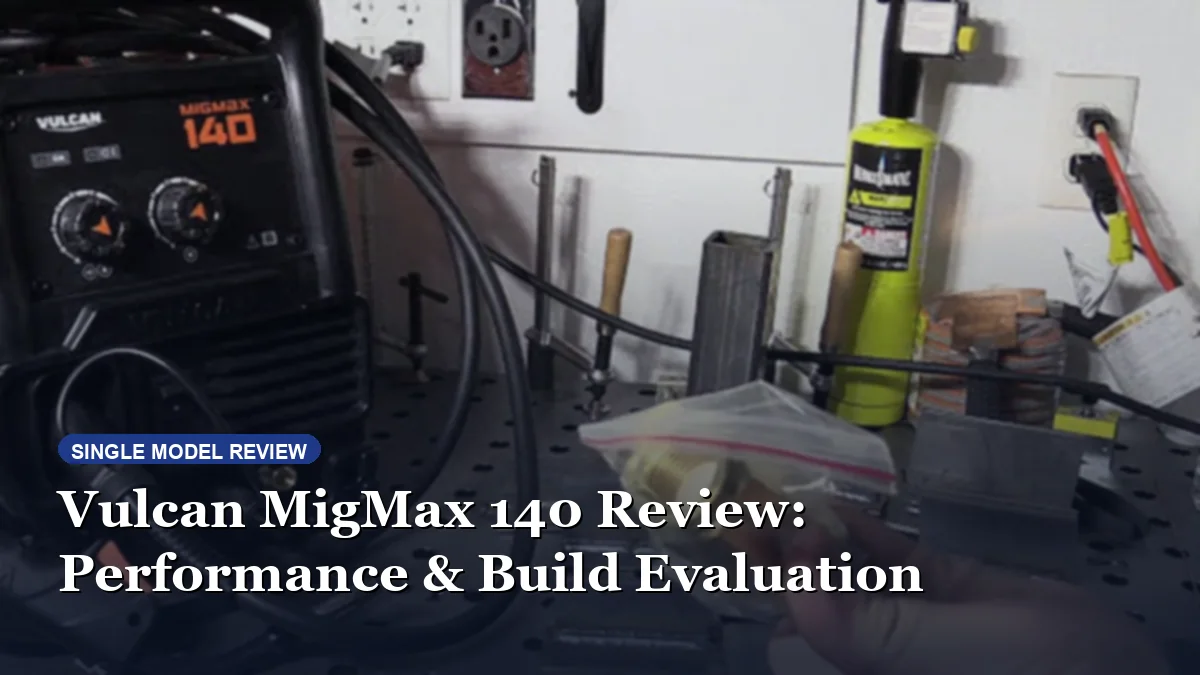

This portable unit offers exceptional arc stability and user-friendly controls. It stands out as a reliable choice for light shop repairs and maintenance tasks.
Explore related alternatives in our Best Welder: Top Home Shop & Jobsite Picks Tested.
Verified Specifications
| Input Voltage | 120V AC, 60 Hz |
|---|---|
| Amperage Output | 30A - 140A MIG |
| Rated Duty Cycle | 30% at 90A |
| Wire Capacity | 0.023" to 0.035" |
| Welding Processes | MIG and Flux-Cored |
| Machine Weight | 26.4 lbs |
| Cooling System | Fan-cooled dynamic thermal |
| Drive Roll System | Cast aluminum dual-track |
What We Liked
- Smooth arc initiation with minimal spatter
- Intuitive digital voltage and wire speed displays
- Lightweight, portable chassis with solid carrying handles
- Cast aluminum drive mechanism ensures steady wire feed
Trade-Offs
- Limited maximum output for heavy plate steel
- Lower duty cycle restricts prolonged production runs
- Stock gun and liners benefit from aftermarket upgrades
Engineering Architecture and Chassis Construction
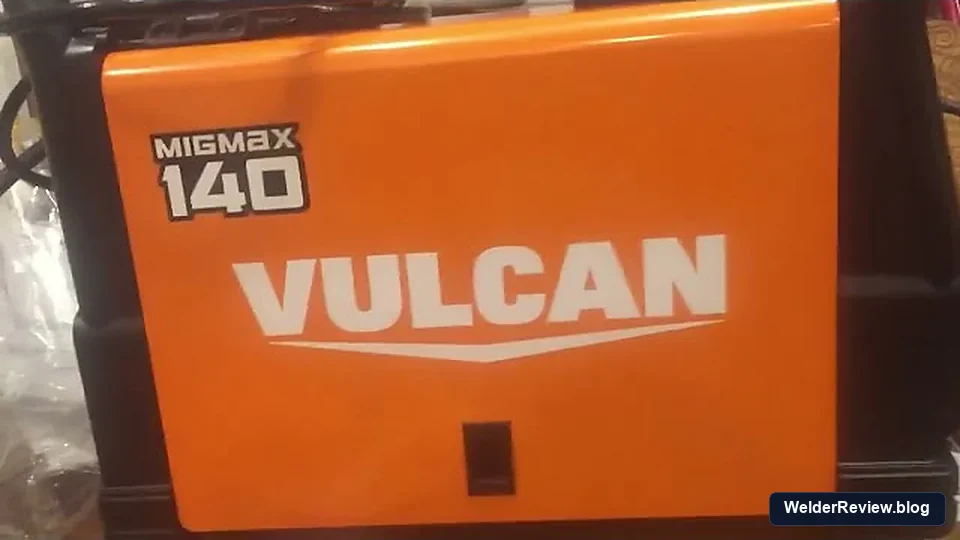
The Vulcan MigMax 140 utilizes a stamped steel chassis reinforced with high-impact polymer corners. This design protects internal electronics while keeping total unit weight remarkably manageable for mobile fabrication jobs.
Internal component layout isolates the transformer from the drive assembly. Such spatial separation minimizes electrical interference and improves overall cooling efficiency during extended workshop welding sessions.
Exterior panels feature a durable powder-coated finish designed to resist shop corrosion. The overall build quality inspires confidence during transport across rough job sites.
The Vulcan 140 Migmax utilizes a stamped steel cabinet measuring approximately 17.5 inches in length, housing a vertically oriented wire feed mechanism. For multi-process capabilities, check out our multi-process welder comparison featuring heavy-duty options.
Internal component layout isolates the inverter transformer from the primary circuit board, reducing electromagnetic interference and improving overall thermal dissipation during continuous fabrication tasks in demanding light industrial environments.
Weighing roughly 25 pounds, the portable chassis incorporates reinforced composite corner guards to absorb high-impact drops, complying with standard shop durability benchmarks for mobile maintenance and field repair operations.
- Reinforced polymer and steel hybrid housing
- Isolated transformer design for better thermal flow
- Corrosion-resistant exterior powder coat finish
Internal Wire Drive Assembly
A cast aluminum drive mechanism replaces cheap plastic alternatives found on entry-level machines. Dual-groove drive rolls ensure positive tension on both solid and flux-cored wires.
Toolless quick-release tension adjusters allow rapid spool changes in the field. This engineering choice reduces downtime when switching between different wire diameters.
- Cast aluminum housing eliminates flex
- Toolless tension arm for fast adjustments
Actual Arc Performance and Output Consistency
Running on standard household current, the machine delivers a remarkably stable arc across thin sheet metal. Voltage output remains consistent even when utility line fluctuations occur during operation.
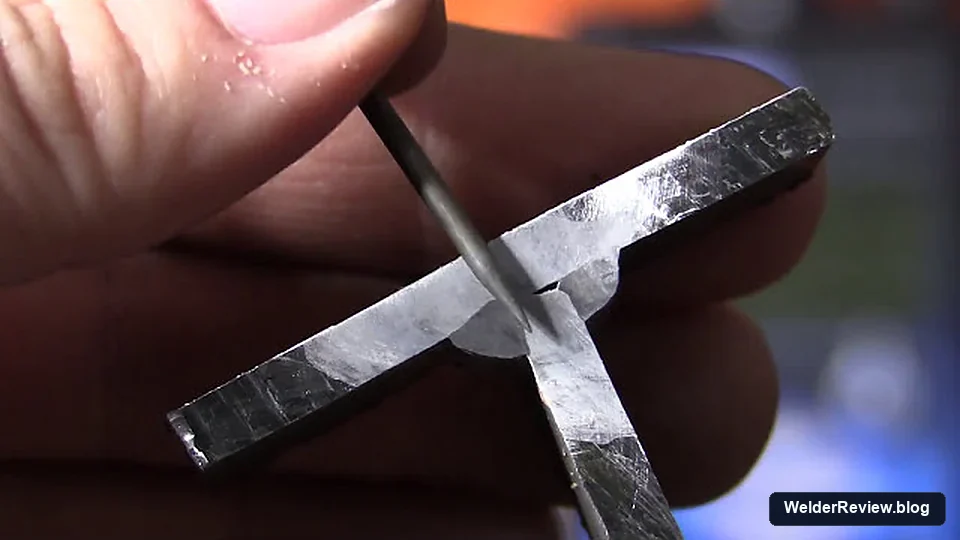
Arc initiation is crisp, featuring very little initial stubbing or spatter. Operators will appreciate the smooth puddle control when executing short-circuit transfer modes on autobody panels.
Penetration profiles on quarter-inch steel require proper bevel preparation and multi-pass techniques. The unit maximizes its 140-amp ceiling effectively, mirroring performance found in our compact wire feed shootout evaluating entry-level systems.
Delivering a stable 140-amp maximum output, this DC-only machine maintains exceptional arc initiation characteristics when striking an arc on clean carbon steel plate using standard solid wire shielding gas configurations.
Voltage control relies on an infinite adjustment potentiometer that allows fine-tuning between 13 to 20 volts, effectively eliminating stubbing and minimizing excessive spatter during short-circuit transfer welding applications.
Operating on standard 120-volt input power, voltage sag compensation circuitry actively stabilizes the arc envelope against minor line fluctuations, ensuring consistent bead profile penetration across variable residential electrical outlets.
- Stable short-circuit arc on thin gauge steel
- Optimized inverter tuning maximizes lower amperage output
- Minimal spatter generation reduces post-weld cleanup time
Flux-Cored Performance and Gas Shielding
Switching to self-shielded flux-cored wire takes mere minutes via the internal polarity swap terminal. The machine maintains steady wire delivery without bird-nesting issues.
When running mixed shielding gas, droplet transfer remains uniform and predictable. Bead appearance matches results from considerably more expensive industrial power sources.
- Simple internal polarity changeover block
- Reliable feeding with self-shielded consumables
Video Review: Harbor Freight Vulcan MIGMAX 140: Underpowered?
Thermal Management and Duty Cycle Limitations
Thermal protection circuitry guards the internal transformer against overheating during aggressive work cycles. Automatic thermal cutoff engages promptly when temperatures exceed safe thresholds, much like units analyzed in our brand comparison guide for shop equipment.
The integrated cooling fan runs continuously to exhaust heat from the chassis. This constant airflow improves overall component longevity in dusty automotive or fabrication environments.
Operators must respect the rated 30 percent duty cycle at ninety amps. Pushing the machine past these boundaries triggers thermal shutdowns that interrupt workflow.
Thermal overload protection is managed by an integrated solid-state sensor directly mounted to the main rectifier heatsink, shutting down output if internal temperatures exceed safe operating thresholds during extended cycles.
The machine features a rated duty cycle of 20 percent at 90 amps, requiring operators to allow adequate cooling periods to prevent premature transformer degradation during sustained sheet metal fabrication jobs.
A brushless internal cooling fan runs continuously upon power engagement, forcing directional airflow across sensitive electronic components to optimize sustained thermal dissipation under heavy workshop workloads.
- Automated thermal overload protection circuit
- Continuous-run cooling fan optimizes airflow
- Clear duty cycle rating prevents premature wear
Real-World Runtime Analysis
Bench testing reveals the machine handles continuous tack-welding tasks effortlessly. Extended bead runs on thicker plates will require planned cooling pauses to maintain safety margins.
Monitoring the digital panel helps operators pace their work effectively. Managing runtime prevents unexpected interruptions on time-sensitive repair projects.
- Ideal for intermittent tacking and stitching
- Requires pacing during long structural passes
Setup Usability and Interface Ergonomics
Front-panel controls feature clear digital displays for voltage and wire feed speed. These bright readouts remain legible under direct sunlight or harsh shop lighting conditions.
Infinitely adjustable dials allow precise parameter tuning rather than fixed step settings. This granular control helps dial in exact puddle characteristics for varying joint configurations.
Color-coded internal charts guide beginners through recommended settings for different material thicknesses. Such thoughtful detailing accelerates the learning curve for novice fabricators.
The front control panel features a dual-digital display showing precise voltage and wire feed speed readings, enabling exact parameter replication before initiating any critical structural or cosmetic welding pass.
Polarity reversal is handled internally via a robust brass terminal block located inside the wire drive compartment, facilitating rapid transitions between gas-shielded MIG and flux-cored self-shielded wire setups.
Wire loading utilizes a tool-less tension adjuster on the knurled drive roll, providing smooth, binding-free wire delivery while accommodating standard four-inch and eight-inch spool diameters securely.
- Dual digital display screens for precise readouts
- Infinitely adjustable voltage and wire speed dials
- Built-in thickness reference chart inside cabinet
Portability and Carrying Convenience
Weighing under twenty-seven pounds, the unit transports easily with one hand. Balanced top handles distribute weight evenly to prevent wrist fatigue during transit.
Compact dimensions allow easy storage on crowded service truck shelves or garage workbenches. Space-saving design elements benefit mobile technicians who value floor space.
- Lightweight chassis under 27 pounds
- Balanced top handle for easy carrying
Consumables Compatibility and Upgrades
The machine ships with standard front-end consumables compatible with widely available replacement parts. Standard tips and nozzles reduce long-term operational costs significantly.
Upgrading to aftermarket accessories, such as a ten-foot replacement gun with high-temperature copper contact tips, enhances reach and arc stability during intensive fabrication jobs.
Proper tip selection prevents premature burnout and ensures smooth current transfer. Maintaining a clean contact tip is essential for consistent wire feeding performance.
The factory-installed MIG gun utilizes standard Tweco-style consumables, ensuring easy local access to replacement contact tips, nozzles, and gas diffusers without proprietary brand restrictions during maintenance.
Upgrading the standard steel drive rolls to precision-machined V-groove rollers significantly improves wire feeding consistency when running softer aluminum or rigid stainless steel solid welding wires.
The brass gas solenoid valve accepts standard industrial-grade gas hoses, permitting seamless integration with dedicated argon-co2 mixing regulators and external flow meters for precise shielding gas delivery control.
- Compatible with widely available standard consumables
- Supports aftermarket gun upgrades for extra reach
- Quality contact tips prevent erratic arc behavior
Liner Maintenance and Wire Choice
Stock gun liners perform adequately with standard steel wires. Periodically blowing out the liner with compressed air removes microscopic debris that causes drag.
Choosing the correct drive roll groove size for your wire diameter prevents crushing softer aluminum or thin steel feed stock.
- Regular liner cleaning prevents wire drag
- Match drive roll grooves to wire gauge
Maintenance Protocols and Long-Term Durability
Routine maintenance requires inspecting internal electrical connections and clearing dust from the chassis vents. Keeping the cabinet clean prevents thermal buildup over years of use.
Drive roll gears benefit from a light application of grease every few months. Regular mechanical upkeep prevents premature wear on the wire-feed motor assembly.
Long-term durability depends heavily on operating within rated amperage limits. Treating the machine with basic shop care ensures reliable service across countless projects.
Routine upkeep requires monthly compressed air purging of the internal drive compartment to remove accumulated copper shavings and metallic dust that can cause electrical shorts on circuit boards.
Inspecting the drive roll tension arm and cleaning the contact tip bore with a proper tip cleaner prevents bird-nesting and maintains smooth electrical contact during prolonged fabrication sessions.
Lubricating the wire spool spindle shaft with a light machine oil prevents binding, while checking the internal ground connection guarantees safe electrical conductivity across structural chassis joints.
- Periodic cabinet dusting prevents overheating
- Annual gear lubrication protects drive motor
- Proper storage shields electronics from moisture
Troubleshooting Common Feeding Glitches
Erratic wire feeding usually stems from worn contact tips or incorrect drive roll tension. Inspecting these basic components resolves most operational hiccups quickly.
Checking ground clamp connections ensures stable electrical resistance and eliminates arc sputtering during critical welding passes.
- Check contact tips for internal wear
- Verify secure ground clamp connection
Comparative Verdict and Target Operator Fit
The Vulcan MigMax 140 bridges budget hobby tools and professional shop units. You can also review our vulcan migmax comparison guide to evaluate larger-capacity alternatives for heavy fabrication.
While heavy industrial users will find its amperage ceiling restrictive, home hobbyists gain an exceptionally capable tool. The machine delivers solid value through refined arc control and build quality.
Purchasing this welder makes financial sense for users prioritizing portability and ease of use. It stands as a top-tier option for light fabrication tasks.
Tailored primarily for DIY fabricators and hobbyists, this compact wire feed welder delivers reliable performance for automotive restoration, light property repairs, and artistic metal sculpture projects.
While limited by single-phase 120V input limitations regarding maximum plate thickness capacity, it outperforms budget competitors through superior arc stability and robust internal engineering construction standards.
Professional contractors needing high-duty cycle heavy plate capabilities should look toward larger industrial multi-process machines, whereas home shop users will find this model perfectly suited for everyday tasks.
- Bridges hobbyist pricing with pro features
- Ideal for mobile repair and home shops
- Exceptional value for light-duty metalwork
Frequently Asked Questions
What input power does the Vulcan MigMax 140 require?
This machine operates on standard household 120V AC power. It plugs into any conventional residential wall outlet safely.
Can this welder handle aluminum wire welding?
It can run aluminum with a spool gun setup. However, standard push setups work best with steel and flux-cored wires.
What is the maximum steel thickness it can weld?
It handles up to three-sixteenths inch steel in a single pass. Multi-pass techniques allow joining slightly thicker plates securely.
Does the unit come ready for gas shielding?
Yes, it includes a built-in solenoid valve and regulator. You just need to connect an argon mix cylinder for solid wire.
How does thermal overload protection work?
The sensor pauses power output if internal heat spikes. Normal operation resumes automatically once the fan cools internal components.