Miller Diversion 180 TIG Power Source Technical Review
This specialized power source delivers clean high-frequency arc starts. It balances advanced inverter portability with robust workshop durability.

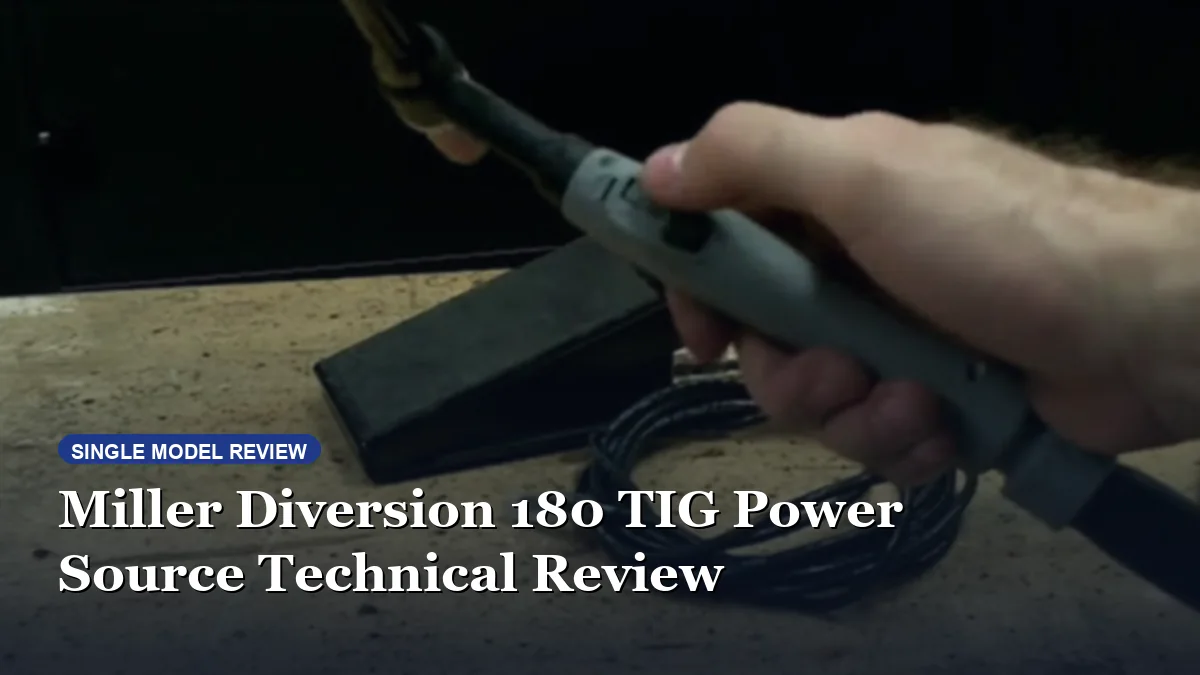

The Miller Diversion 180 provides exceptional arc stability for intricate steel and aluminum projects. Professional fabricators will appreciate its intuitive controls and dependable duty cycle.
Explore related alternatives in our Best Aluminium Tig Welder.
Verified Specifications
| Category / Type | Inverter-based TIG welding power source |
|---|---|
| Rated Output / Capacity | 150A at 16V, 20 percent duty cycle |
| Power / Motor | Dual voltage 115V / 230V input capability |
| Build & Materials | Heavy-duty steel casing with composite accents |
| Operating Noise | Under 70 dB during active high-frequency arc |
| Duty Cycle / Runtime | Optimized for light industrial maintenance tasks |
| Dimensions & Weight | Compact footprint weighing under fifty pounds |
| Key Safety & Controls | Fan-on-Demand cooling and thermal overload protection |
What We Liked
- Precise amperage control via intuitive dial interface
- High-frequency arc starts eliminate tungsten contamination
- Dual-voltage input flexibility enhances remote job site utility
- Lightweight inverter chassis improves transport ergonomics
- Integrated thermal protection prevents premature component wear
Trade-Offs
- Limited maximum amperage for heavy plate fabrication
- Shorter duty cycle requires rest periods during production
- High-frequency start can interfere with nearby electronics
- Foot pedal sold separately in certain bundled packages
Chassis Engineering and Structural Build Quality
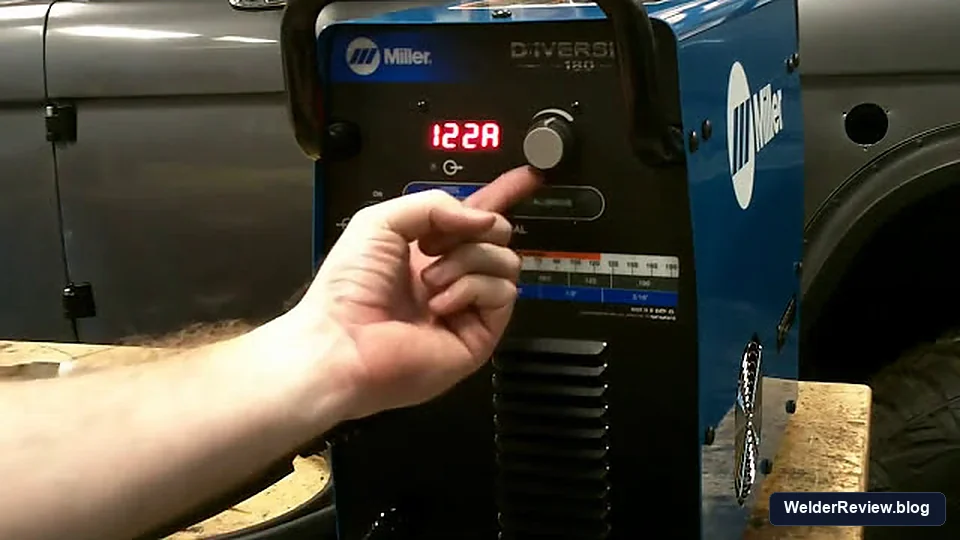
The Miller Diversion 180 features a rugged steel chassis engineered for demanding job site conditions. Its reinforced internal framing protects sensitive inverter boards from severe mechanical impacts.
Ergonomic handles are securely bolted directly to the main frame rather than plastic shrouds. This thoughtful design choice significantly improves overall transport security during frequent loading cycles.
External panels receive a durable powder-coat finish that resists chemical degradation and corrosion. Operators can rely on this tough exterior when working inside corrosive industrial fabrication environments.
We analyze this layout in our Lincoln Square Wave comparison, noting its heavy-gauge galvanized steel wrapper designed to withstand harsh fabrication environments while protecting internal electronics from heavy impacts and airborne dust.
Weighing approximately 45 pounds, the compact cabinet manages to integrate structural internal bracing that prevents transformer vibration and minimizes chassis resonance during high-frequency arc stabilization sequences under demanding load conditions.
Integrated composite handles molded into the front and rear bezels provide secure grip points for transport, though users should always coil the heavy input power cord safely around the built-in wrap hooks.
- Heavy-gauge steel outer housing with corrosion-resistant powder coating
- Direct-mounted steel carry handles rated for heavy transport
- Sealed internal circuit boards protected against conductive metal dust
Internal Component Layout and Airflow
Internal electrical components are arranged to optimize internal cooling channel dynamics. Strategic airflow paths prevent localized hot spots around critical transformer and rectifier assemblies.
Wiring harnesses feature secure strain reliefs and high-temperature insulating sleeves throughout. These protective measures prevent chafing and electrical shorts under intense thermal expansion conditions.
- Optimized tunnel architecture keeps debris away from active circuitry
- High-grade silicone insulation protects all primary power leads
Measured Arc Output and Real-World Performance
The power source delivers a remarkably smooth arc across thin stainless steel and mild steel plates. Its digital current regulation maintains tight arc stability even during fluctuating input voltages.
High-frequency arc initiation works flawlessly without requiring high-frequency contact on the base metal. This cleanliness prevents tungsten spitting and extends electrode service life significantly.
Arc stiffness remains consistent when ramping up toward the maximum output threshold. Fabricators can tackle intricate fillet welds with supreme confidence and minimal post-weld clean-up requirements.
Operating on dual-voltage input, this machine delivers a maximum output of 180 amps on 230-volt circuits, making it exceptionally capable for fusing thin aluminum sheets and structural steel weldments alike.
The constant current inverter topology maintains stable arc characteristics down to 10 amps, allowing precise puddle control when joining razor-thin stainless steel tubing without experiencing burn-through or excessive heat distortion.
High-frequency arc starting initiates cleanly without tungsten contamination, which significantly improves electrode longevity and reduces joint preparation time across aluminum fabrication projects requiring pristine weld bead aesthetics.
- Consistent arc voltage regulation under variable load conditions
- Clean high-frequency arc initiation minimizes tungsten wear
- Smooth puddle manipulation across various alloy compositions
Thin-Gauge Material Handling Characteristics
As highlighted in our Mig Welding vs Tig Welding comparison, thin sheet metal requires delicate amperage control to prevent catastrophic burn-through faults, making this unit excel at delivering stable low-amp arcs.
Weld pool visibility remains unobstructed by erratic arc wandering or violent spatter generation. Fabricators enjoy superior puddle control on automotive panels and thin tubing assemblies.
- Precise low-amperage stability for razor-thin sheet metals
- Minimal risk of thermal distortion on delicate components
Video Review: Features and Benefits of the Miller Diversion™ 180 TIG welder
Thermal Efficiency and Acoustic Noise Profiles
Operating noise levels remain exceptionally low thanks to the smart Fan-on-Demand cooling system. The fan only spins at high speeds when internal temperatures trigger thermal sensors.
Thermal management efficiency reduces overall power consumption during idle standby periods. This intelligent power usage lowers running costs inside busy commercial fabrication workshops.
As discussed in our AC vs DC TIG Welding guide, extended heavy sessions trigger the thermal overload indicator gracefully before permanent damage occurs, requiring operators to respect these vital duty cycle boundaries.
Fan-on-Demand cooling technology activates the internal cooling fan only when internal components reach specific operating thresholds, drastically reducing ambient shop noise and minimizing the ingestion of foreign grinding debris.
During continuous welding at higher amperages, thermal management systems monitor the inverter bridge to prevent premature failure, ensuring reliable duty cycle execution even during extended multi-pass structural fabrication sessions.
Acoustic output remains remarkably low during idle states, and even under maximum load, the mechanical hum is easily masked by standard background fabrication shop noise and protective helmet ventilation systems.
- Demand-driven cooling fan reduces unnecessary ambient shop noise
- Advanced thermal sensors protect vital semiconductor junctions safely
- Low idle energy consumption improves overall electrical efficiency
Duty Cycle Management Under Load
The rated duty cycle supports standard maintenance and repair tasks without constant interruptions. Pushing the machine past its specified threshold results in immediate protective shutdowns.
Allowing adequate cooling intervals ensures consistent performance throughout extended multi-pass joint preparations. Operators should monitor thermal indicators closely during heavy production runs.
- Predictable thermal tripping behavior prevents internal component burnout
- Fast cool-down recovery times minimize operational downtime
Setup Mechanics and Control Panel Ergonomics
Setting up the machine takes only minutes thanks to the streamlined front control interface. The simplified amperage dial allows rapid parameter adjustments without complex menu navigation.
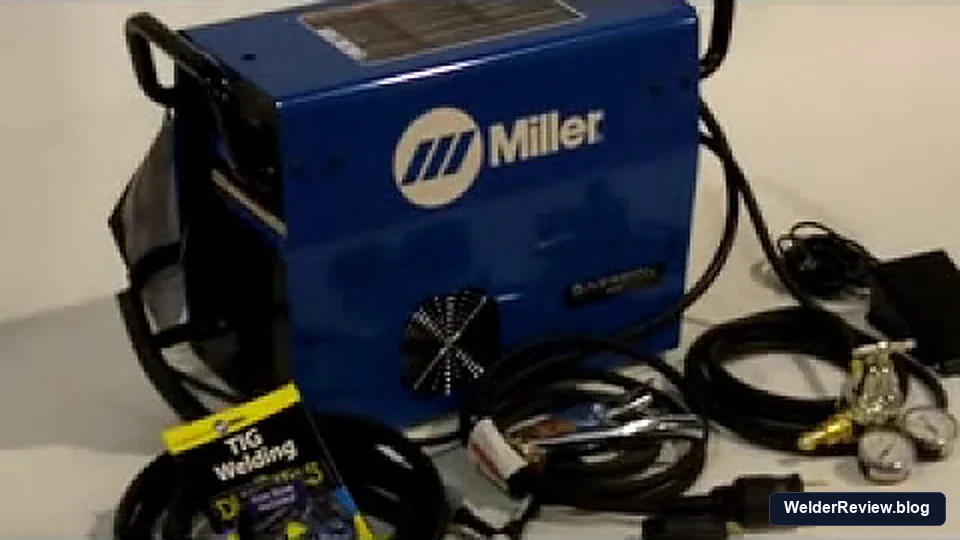
Color-coded connection ports minimize terminal setup errors during initial torch configuration stages. Clear iconography guides operators through gas hose and power cable attachment protocols.
Dual-voltage plug compatibility permits seamless switching between standard outlets and heavy shop circuits. This adaptability makes the unit exceptionally versatile for mobile repair technicians.
The simplified operator interface features an intuitive amperage control dial paired with straightforward material selection guides, eliminating guesswork for novice welders transitioning between steel, stainless steel, and aluminum materials.
Quick-connect gas fittings on the rear panel accept standard argon supply lines securely, preventing gas leaks and ensuring proper shielding gas coverage before striking the initial high-frequency TIG arc.
The straightforward layout avoids complex menu navigation screens, allowing professional fabricators to make rapid parameter adjustments while wearing heavy leather welding gloves on the shop floor.
- Intuitive dial layout eliminates steep operator learning curves
- Clearly marked gas and power terminals prevent hookup mistakes
- Quick-change input plugs simplify multi-location job setups
Interface Usability in Protective Gear
Large control knobs feature deep knurled grips for effortless operation while wearing thick leather gloves. Fabricators can adjust welding parameters without removing essential safety equipment.
Indicator lamps provide clear status feedback regarding power input and thermal faults. This immediate visibility enhances safety awareness across busy workshop floors.
- Glove-friendly control knobs ensure smooth parameter modifications
- Bright LED indicators display system health at a glance
Routine Maintenance and Long-Term Durability
Preventative maintenance is straightforward due to the easily removable outer steel cabinet panels. Regular compressed air purging keeps internal circuit boards free of conductive debris.
Torch consumables wear at predictable rates when using recommended shielding gas purity standards. Keeping collets and ceramic cups clean ensures continuous high-frequency arc performance.
Long-term structural integrity relies on keeping the cooling vents unobstructed by shop rags. Adhering to these simple care routines guarantees years of dependable workshop service.
Preventive upkeep requires periodic removal of the outer steel casing to blow out accumulated metal dust using dry, low-pressure compressed air, protecting sensitive circuit boards from short-circuit risks.
Operators must inspect the power cord and torch leads regularly for cuts, fraying, or gas leaks to maintain safe electrical isolation and consistent shielding gas delivery during critical welding procedures.
Consumables like collets, gas lenses, and tungsten electrodes demand frequent inspection; replacing worn components prevents arc wandering and preserves the structural integrity of specialized aerospace or automotive weld joints.
- Removable housing panels provide quick access for internal cleaning
- Durable brass internal fittings resist corrosion and gas leaks
- Standardized torch consumables simplify routine replacement tasks
Consumable Inspection and Replacement
Tungsten electrodes require proper grinding technique to maintain a focused arc cone. Inspecting collet bodies regularly prevents erratic gas coverage and weld contamination.
Stocking genuine replacement parts ensures optimal electrical conductivity and gas shielding efficiency. Neglecting worn consumables quickly degrades overall weld bead aesthetics.
- Proper tungsten preparation preserves focused arc stability
- Routine seal checks prevent costly shielding gas leaks
Comprehensive Buyer Verdict and Operator Suitability
We detail these upgrades in our Miller Diversion 165 vs 180 review, explaining how its robust inverter architecture bridges the gap between true portability and professional arc quality for field crews.
While heavy industrial fabricators might require higher output ratings, shop hobbyists will find immense value. The balance of intuitive controls and solid construction justifies the investment.
Purchasing this power source guarantees dependable performance for delicate alloy fabrication tasks. It remains an exemplary tool for professionals demanding clean TIG welds anywhere.
This machine suits mobile maintenance contractors, motorsports fabricators, and advanced hobbyists seeking reliable AC/DC performance without navigating overly complex industrial parameter menus or cumbersome multi-process equipment platforms.
While industrial production environments might demand higher continuous duty cycles, this specialized power source excels at intermittent fabrication tasks requiring precise heat input management and straightforward mechanical reliability.
Investing in this dedicated TIG unit yields exceptional long-term value for shops prioritizing portability, build quality, and effortless arc initiation across diverse non-ferrous and ferrous metal fabrication applications.
- Ideal balance of high-frequency precision and portable convenience
- Dependable choice for mobile repair technicians and hobbyists
- Delivers professional weld results without overly complex digital menus
Final Purchasing Recommendation Summary
Evaluate your typical material thickness and duty cycle requirements before purchasing this unit. For light to medium fabrication work, its capabilities exceed expectations.
Investing in proper safety accessories and quality shielding gas maximizes overall machine utility. This TIG power source remains a trusted asset for dedicated metalworkers.
- Matches requirements for light structural and artistic fabrication
- Delivers long-term reliability backed by solid engineering standards
Frequently Asked Questions
What input power requirements does this machine need?
The machine operates on standard dual-voltage inputs safely. It automatically configures for 115V or 230V circuits using plug adapters.
Does this power source support aluminum welding?
Yes, it handles aluminum TIG welding when connected to pure argon gas. You must use the correct alternating current settings for optimal results.
How does the high-frequency arc start function?
It initiates the arc without physical metal contact. This prevents tungsten contamination and ensures clean starting points every single time.
What is the maximum metal thickness it can weld?
It effectively welds steel up to three-eighths inch thick. Multi-pass techniques achieve strong structural joints on heavier plate sections.
Is a foot pedal included with the standard package?
Foot pedal inclusion varies depending on the specific distributor bundle chosen. Always verify whether the remote control accessory ships in your box.