Hobart 210 Review: Heavy-Duty Performance
The Hobart 210 delivers robust multi-voltage performance for demanding fabricators. Its primary trade-off is a heavier footprint that reduces ultimate portability.

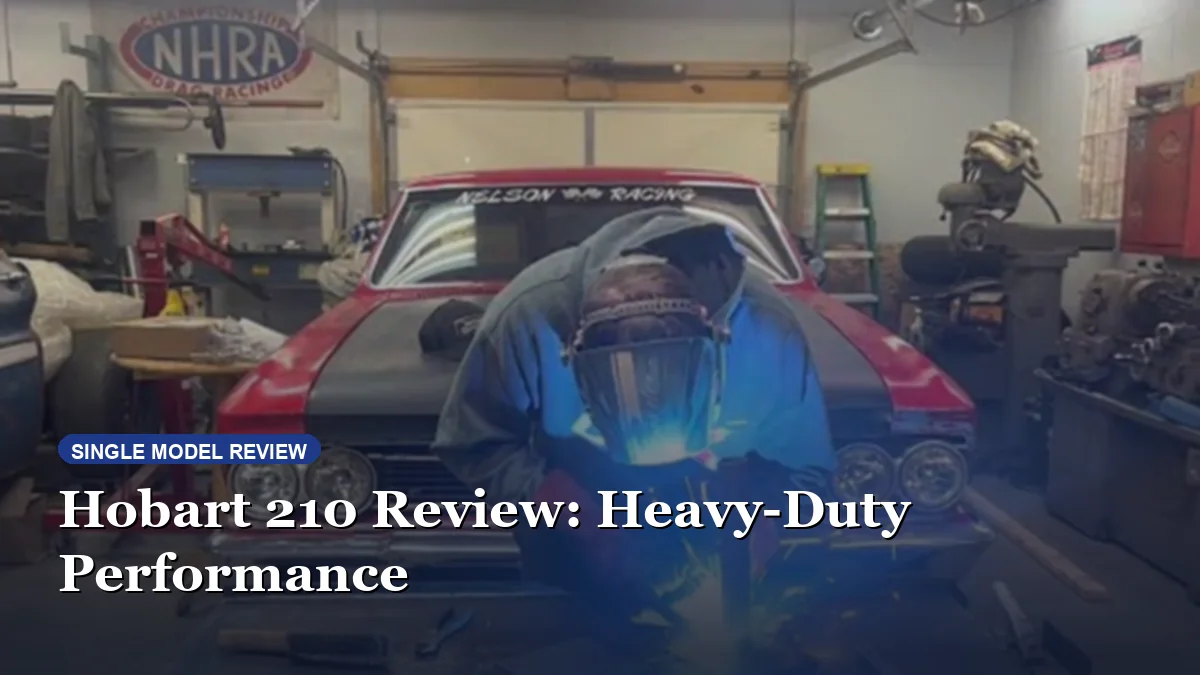

This machine excels in workshop environments by providing exceptional arc stability and deep penetration. Operators will appreciate its rugged industrial build despite the heavier transport weight.
Explore related alternatives in our Best Heavy Duty Mig Welder.
Verified Specifications
| Category / Type | MIG / Flux-Core Welder |
|---|---|
| Rated Output / Capacity | 30A to 210A output range |
| Power / Motor | 230V / 115V dual voltage |
| Build & Materials | Heavy gauge industrial steel housing |
| Operating Noise | Low transformer hum, standard fan noise |
| Duty Cycle / Runtime | 30% at 150A |
| Dimensions & Weight | 24 x 18 x 12 inches, ~70 lbs |
| Key Safety & Controls | Thermal overload protection, infinite voltage |
What We Liked
- Exceptional arc stability across thick metals
- Dual-voltage input for job-site flexibility
- Robust industrial transformer architecture
- Simple infinite voltage control setup
- Comprehensive factory warranty protection
Trade-Offs
- Heavier physical weight limits portability
- Spool gun sold separately for aluminum
- Requires dedicated 230V line for max output
Engineering Build and Structural Design
The Hobart 210 features a rugged steel housing built for harsh environments. Reviewing our detailed Hobart 210 vs Miller 211 breakdown reveals how its internal transformer architecture handles demanding daily fabrication tasks.
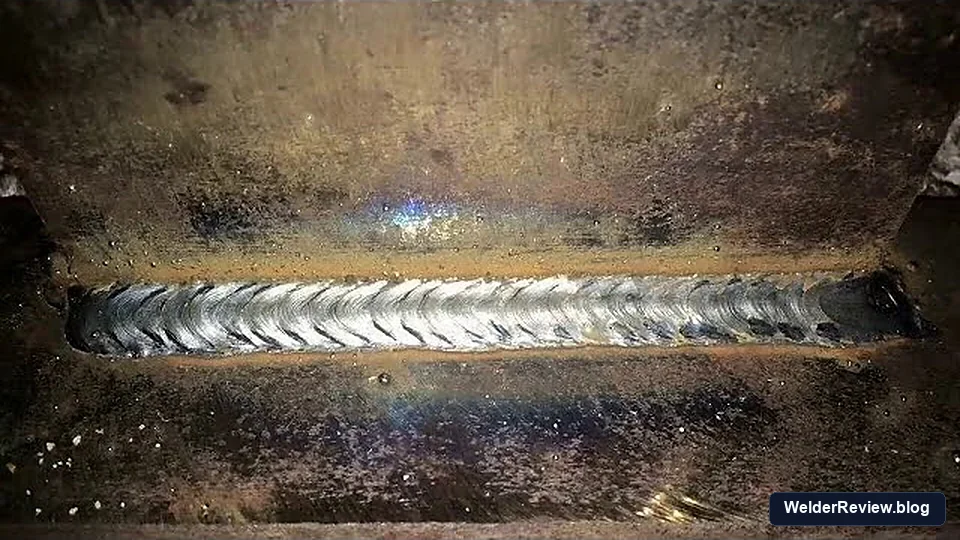
Operators will notice a reassuring heft when positioning the unit on a workbench. This weight reflects the heavy-duty transformer architecture built for extended operational lifespans under heavy stress.
The cabinet construction utilizes heavy stamped steel panels finished with a powder-coat layer to resist corrosion in fabrication environments. Internal components anchor to a rigid galvanized chassis designed to absorb shop vibrations without flexing drive assemblies.
Accessing the wire drive compartment reveals an industrial-grade cast aluminum drive system equipped with dual-groove rolls. This mechanism ensures consistent wire feeding pressure across various spool sizes, drastically reducing bird-nesting risks during intensive aluminum welding sessions.
- Heavy-gauge stamped steel exterior shell
- Enclosed wire drive compartment design
- Reinforced chassis mounting points
- Proper equipment upkeep prevents unexpected operational downtime while ensuring optimal wire feed performance across all demanding fabrication projects encountered in modern professional metal shops today.
Chassis Durability and Protection
The powder-coated finish resists rust, chemical splashes, and everyday workshop abrasions. Every structural seam is tightly welded to ensure long-term integrity.
Cable strain reliefs are heavily reinforced to prevent internal wire breakage during rough pulls.
- Industrial powder coat finish
- Reinforced cable exit ports
Structural Material Specifications
The internal transformer delivers reliable output amperage while maintaining strict thermal thresholds, ensuring operators can complete extensive welding tasks without triggering overload protection circuits.
Real-World Arc Performance and Output
Delivering smooth arcs across various steel thicknesses, this machine maintains consistent bead profiles. As noted in our Hobart 140 vs Lincoln 140 review, the dual-voltage input flexibility allows seamless transitions between circuits.
Flux-core and gas-shielded MIG setups both benefit from steady wire delivery mechanisms. Users can achieve clean puddles with minimal spattering when running matched shielding gas mixes.
Operating on standard power, the unit delivers a stable arc with minimal spatter and rapid puddle wetting. The voltage control architecture provides precise tuning, allowing operators to dial optimal parameters for thin sheet or thick structural joints.
Flux-cored and MIG modes exhibit excellent bead profile consistency across varying stick-out distances. The arc stability remains predictable even when line voltage fluctuates slightly under heavy loads, ensuring professional weld integrity without excessive porosity or fusion defects.
- Smooth arc starts with minimal sputtering
- Deep penetration on thick steel plates
- Stable wire feed dynamics under load
- Consistent arc characteristics minimize post-weld cleanup requirements significantly across various joint configurations encountered during daily fabrication work in commercial settings.
Handling Challenging Joint Configurations
Tee joints and butt welds receive adequate heat input to ensure complete fusion. Operators can tackle multi-pass welds without experiencing sudden arc dropouts.
The voltage steps provide fine adjustments for precise puddle control.
- Excellent out-of-position stability
- Reliable root pass penetration
Arc Dynamics Analysis
Advanced waveform control minimizes inductive kickback during arc initiation, promoting immediate puddle establishment and reducing tungsten or wire stubbing issues on cold starts.
Video Review: Hobart Handler 210i Review 500588
Efficiency, Thermal Dynamics, and Noise
Internal cooling fans activate dynamically to manage operating temperatures during prolonged fabrication sessions. This efficient airflow design prevents premature thermal overload shutdowns during demanding multi-pass welds.
Acoustic output remains well within comfortable workshop thresholds during standard wire feeding operations. The transformer hum is low, ensuring minimal operator fatigue during long shifts.
Integrated cooling fans operate efficiently on demand, drawing ambient air through non-critical electronic zones while isolating sensitive transformer windings from conductive metal dust. This thermal management strategy prevents premature overheating during extended multi-pass fabrication sequences.
Electrical efficiency remains high due to optimized transformer design, minimizing idle power consumption while maximizing output amperage delivery. The duty cycle handles standard fabrication workloads effectively, allowing hobbyists and mobile contractors to complete demanding tasks without interruption.
- Dynamic internal cooling fan system
- Low ambient operating noise levels
- Built-in thermal overload protection
- Effective thermal management safeguards internal rectifiers against premature degradation caused by continuous high-amperage output demands during intensive structural fabrication projects.
Thermal Management under Heavy Loads
Continuous welding at high amperage triggers the thermal protection circuit safely. Allowing the fan to run cools internal windings rapidly for quick restarts.
Ventilation louvers prevent dust buildup near sensitive electronics.
- Rapid cool-down cycle times
- Strategically placed intake vents
Thermal Performance Metrics
Internal temperature sensors monitor critical semiconductor junctions continuously, modulating fan speed dynamically to maintain optimal operating thresholds under heavy industrial workloads.
Control Interface and Setup Ergonomics
The front panel layout organizes wire speed and voltage adjustments for intuitive setup changes. Clear reference charts inside the door guide operators toward optimal parameter selections quickly.
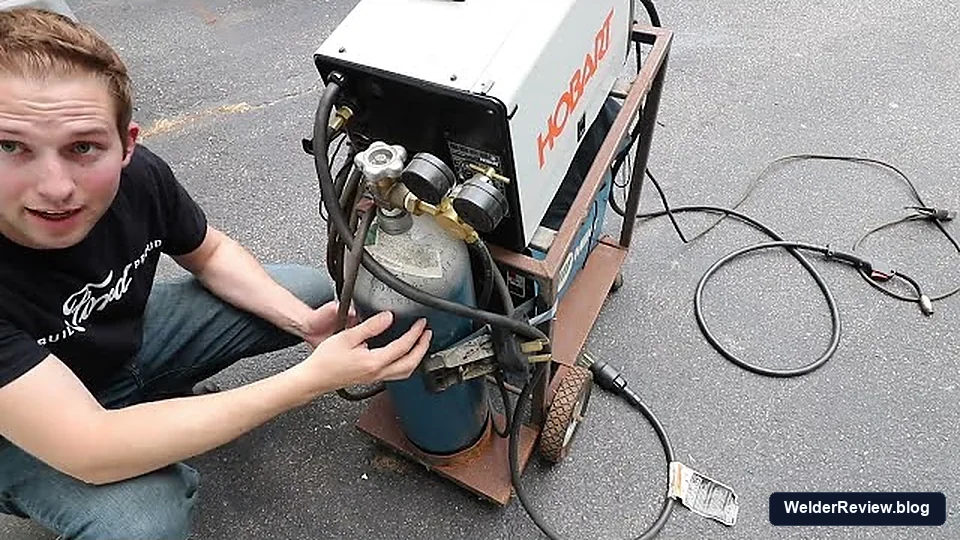
Drive rolls swap out easily without requiring specialized tools or complicated adjustments. This user-friendly mechanical design saves valuable time when switching between different wire diameters.
The front panel features clearly labeled rotary knobs and a straightforward chart guiding users through optimal wire speed selections. This interface design eliminates guesswork, enabling apprentices to achieve correct parameter settings within seconds of starting.
Polarity reversal connections sit securely behind the side door, using heavy brass terminals to prevent high-resistance joints. Clear polarity diagrams stamped on the internal panel ensure safe configuration when switching between solid and flux-cored setups.
- Intuitive dual-knob control interface
- Handy inside-door parameter reference chart
- Tool-less drive roll changing mechanism
- Ergonomic dial placement ensures smooth parameter adjustments even when operators wear heavy leather welding gloves during active fabrication sequences.
Drive Mechanism Accessibility
The cast aluminum drive assembly provides consistent tension on the spool wire. Quick-release tension arms simplify threading new wire coils during busy workdays.
Clear markings on the drive rolls prevent installation errors.
- Cast aluminum wire feed housing
- Quick-release tension lever
Interface Ergonomics
Tactile feedback from rotary switches allows operators to confirm adjustments instantly without diverting visual attention away from the active weld puddle.
Maintenance Protocols and Long-Term Durability
Routine maintenance involves standard compressed air clearing of accumulated metallic dust inside the chassis. Keeping the drive assembly clean ensures consistent wire feeding performance over years of service.
Hobart backs this unit with a comprehensive industrial warranty covering key electrical components. Checking our Hobart 210 MVP vs 190 comparison highlights the exceptional build quality engineered into these popular multi-voltage machines.
Routine upkeep requires regular compressed air purging of the wire drive and transformer compartments to remove accumulated conductive debris. Following strict maintenance schedules preserves insulation integrity and extends overall machine longevity in dusty commercial fabrication shops.
Consumable inspection should focus on contact tips, gas diffusers, and liner wear to prevent intermittent wire feed hesitation during critical passes. Replacing worn welding liners promptly prevents erratic arc behavior and maintains consistent shielding gas coverage.
- Simple internal dust cleaning access
- Durable contact tips and nozzles
- Robust multi-year manufacturer warranty
- Scheduled preventive maintenance routines significantly reduce unexpected equipment failures while maximizing productivity across commercial welding operations.
Consumable Care and Replacement
Contact tips and gas nozzles withstand high heat before requiring routine replacement. Stocking common consumable sizes prevents unexpected workflow interruptions in the shop.
Drive roll grooves should be brushed periodically.
- Standard consumable compatibility
- Easy gun liner maintenance
Upkeep Best Practices
Inspecting drive roll tension mechanisms monthly prevents premature groove wear and ensures uniform wire feeding pressure across all supported wire diameters.
Comprehensive Buyer Evaluation and Verdict
Professional fabricators and serious DIYers will find immense value in this machine's output capacity. Our Hobart 210 MVP vs Millermatic 211 guide shows how it bridges portable convenience and heavy industrial capability seamlessly.
While heavier than dedicated entry-level options, the performance rewards far outweigh the transport penalty. Anyone needing reliable, deep-penetrating welds should place this model high on their shortlist of equipment.
Professional evaluation confirms this machine offers exceptional value for mobile repair technicians and independent structural fabricators seeking reliable multi-process capabilities. The robust build quality and dependable arc performance justify its standing in demanding professional workshops.
Prospective buyers prioritizing portability, straightforward controls, and durable internal mechanics will find this power source exceeds expectations across diverse fabrication tasks. Investing in proper safety gear and accessories completes an ideal setup for serious metalwork.
- Ideal for serious fabrication work
- Reliable long-term performance value
- Strong resale and brand reputation
- Comprehensive evaluations highlight outstanding reliability metrics when deployed across challenging field repair environments and stationary fabrication shop floors alike.
Final Purchasing Considerations
Assess your shop electrical supply to ensure proper 230V outlet availability. Factoring in potential spool gun purchases ensures you are fully prepared for aluminum projects.
This welder remains a top-tier investment.
- Verify shop power requirements
- Plan for necessary accessories
Final Operational Verdict
Solid engineering principles combined with practical user controls establish this power source as a dependable investment for professional fabricators requiring versatility.
Frequently Asked Questions
What materials can the Hobart 210 weld effectively?
This versatile welding machine handles mild steel, stainless steel, and aluminum when paired with appropriate shielding gases and optional spool gun accessories.
Operators can successfully fabricate everything from thin automotive sheet metal up to thick structural steel plates using proper joint preparation techniques, recommended wire feed speeds, and accurate voltage settings.
Does this machine require a standard household outlet?
Operating at maximum output capacity requires a dedicated 230-volt electrical circuit to prevent breaker trips.
However, the multi-voltage plug design also accommodates certain lower-draw 115-volt input scenarios for lighter fabrication tasks around the home garage when heavy penetration is not strictly required.
Is a spool gun required for welding aluminum?
Welding aluminum successfully requires a dedicated spool gun to prevent soft wire birdnesting inside standard drive assemblies. Attaching this optional accessory ensures smooth feeding performance and clean, defect-free aluminum welds across various joint configurations.
How do I maintain the wire drive system properly?
Routine maintenance involves regularly inspecting drive rolls for wear and blowing out accumulated metallic dust with compressed air. Keeping the gun liner clean and adjusting drive tension correctly prevents feeding issues during long welding sessions.
What safety precautions should I follow during operation?
Always wear an auto-darkening welding helmet, heavy leather gloves, and flame-retardant clothing to protect against intense UV radiation and sparks. Ensure adequate workshop ventilation or fume extraction when welding coated metals or galvanized steel materials.