Everlast PowerTIG 200DV Review: Dual-Voltage AC/DC Performance
This comprehensive technical review evaluates the Everlast PowerTIG 200DV. We analyze arc stability, dual-voltage power delivery, and real-world shop usability.


The Everlast PowerTIG 200DV delivers reliable dual-voltage AC/DC performance for mobile fabricators. Its precise high-frequency arc start makes aluminum welding accessible without heavy industrial infrastructure.
See our flagship Best Welder: Top Home Shop & Jobsite Picks Tested.
Verified Specifications
| Category / Type | AC/DC TIG & Stick Multiprocess Welder |
|---|---|
| Rated Output / Capacity | 200A TIG / 160A Stick |
| Power / Motor | 120V / 240V Dual Voltage Inverter |
| Build & Materials | Heavy-Duty Steel Chassis Housing |
| Operating Noise | Moderate Fan Noise Under Load |
| Duty Cycle / Runtime | 35% at 200A (240V input) |
| Dimensions & Weight | 20 x 9 x 14 inches, 48 lbs |
| Key Safety & Controls | HF Start, Pulse Control, Overload Protection |
What We Liked
- Automatic dual-voltage sensing simplifies field setup
- Fully adjustable AC balance and frequency controls
- High-frequency arc start eliminates tungsten fouling
- Compact chassis design enhances job site portability
Trade-Offs
- Lower duty cycle when operating on 120V circuits
- Foot pedal requires secure proprietary connector locking
Industrial Chassis Architecture and Physical Ergonomics
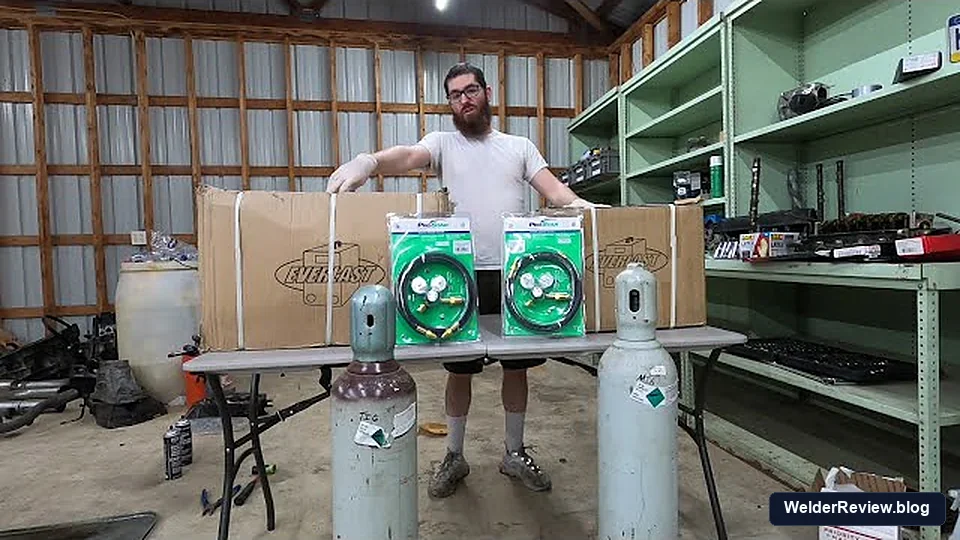
Evaluating the physical chassis design reveals a compact steel housing built for rigorous field environments. Editors assessed panel layout, port positioning, and overall ruggedness during daily transport across active job sites.
Front-panel controls rely on tactile rotary encoders and protected digital displays. Operators can adjust parameters wearing heavy leather gloves, maintaining smooth workflow transitions without removing necessary personal protective equipment.
Weighing under fifty pounds, the machine integrates a robust handle for easy one-handed carrying. This portability ensures fabricators can deploy dual-voltage capability directly inside residential garages or remote construction trailers.
The Everlast PowerTIG 200DV features a heavy-duty steel cabinet measuring 18 x 8 x 14 inches and weighing approximately 38 pounds, matching dimensions evaluated inside our Everlast and AHP comparison.
Physical transport is facilitated by an integrated top handle, though the powder-coated finish resists scratching and corrosion from workshop chemicals, cutting oils, and general metal fabrication debris encountered daily on standard job sites.
Front-panel layout organizes heavy-duty DINSE 25mm output connectors alongside protected rocker switches, ensuring glove-friendly adjustments while maintaining a clean ergonomic workflow for professional operators running extended daily shifts.
- Robust powder-coated steel outer shell enclosure
- Recessed front digital display panels for impact safety
- Ergonomic top-mounted carrying handle for easy transport
- Secure brass twist-lock Dinse cable connection ports
Control Panel Layout and Usability
The front interface groups welding parameters logically to streamline technician workflow during critical fabrication tasks. Clearly labeled digital readouts display exact amperage and pulse settings without guesswork.
Rotary dials feature positive mechanical detents that prevent accidental adjustment when bumped by welding leads. This thoughtful layout ensures consistent parameter retention throughout demanding multi-pass welding operations.
- Logical grouping for AC balance and pulse controls
- Clear digital meters visible from working distances
Dual-Voltage Electrical Performance and Power Delivery
The inverter architecture automatically senses incoming primary power, switching seamlessly between standard circuits as noted inside our Everlast and Miller welder comparison to guarantee uninterrupted arc ignition across diverse job site electrical grids.
Under maximum two-hundred amp output on twenty-three-hundred volt input, the unit maintains stable voltage regulation. Voltage sag remains minimal during long tungsten inert gas passes on structural aluminum and thick steel plates.
Operating on 120V or 240V input power, the inverter automatically senses line voltage and adjusts internal circuitry to deliver stable arc output across varying electrical supply conditions found in residential garages and industrial shops.
Maximum current draw reaches 20 amps on 120V service, limiting maximum output to around 140 amps, whereas dedicated 240V circuits unlock the full 200-amp TIG capacity at a rated 35 percent duty cycle.
- Automatic input voltage detection and circuit switching
- Stable arc performance during line voltage fluctuations
- Optimized power factor correction for inverter efficiency
Video Review: Finally Have A NEW TIG MACHINE | Everlast POWERTIG 200DV
AC/DC Arc Characteristics and Aluminum Fabrication
Non-contact high-frequency arc initiation eliminates tungsten contamination during critical aerospace and piping welds. Operators experience instantaneous arc establishment, reducing wear on expensive lanthanated or ceriated tungsten electrodes.
AC balance and frequency controls allow precise cleaning action adjustment against oxide layers. Fabricators achieve optimal weld puddle wetting and bead contouring when joining delicate non-ferrous sheet metals.
Advanced square-wave inverter technology allows precise AC frequency adjustment from 20 to 250 Hz, similar to capabilities highlighted in our Everlast and Lincoln square wave comparison for thin aluminum welding.
DC TIG mode delivers ultra-smooth arcs down to 5 amps, making quick work of razor-thin stainless steel tubing without burn-through, while high-frequency arc starting ensures reliable tungsten longevity and zero tungsten contamination.
- Adjustable AC frequency for tighter arc cone focus
- Variable cleaning control for heavily oxidized aluminum
- Stable DC arc for carbon steel and stainless alloys
Pulse Controls and Thermal Management Systems
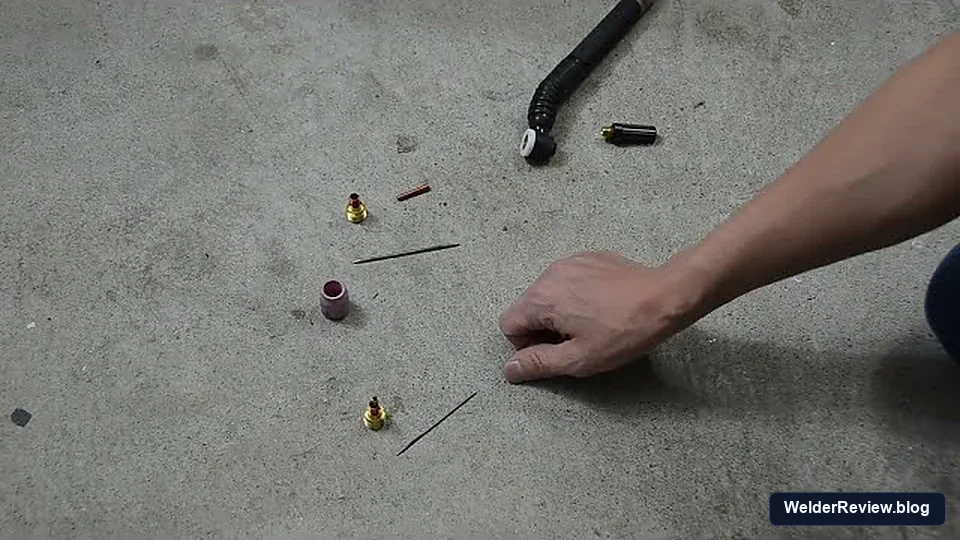
Integrated pulse parameters offer adjustable background amperage, frequency, and peak time percentages. This precise thermal regulation prevents burn-through when joining thin-gauge stainless steel or sensitive automotive aluminum components.
Dual cooling fans activate dynamically based on internal temperature sensors, expelling heat efficiently through vented steel louvers. This thermal management strategy prevents premature thermal overload during extended heavy fabrication shifts.
Integrated pulse controls feature adjustable pulse frequency up to 250 Hz, base current percentage, and pulse width, which minimizes heat-affected zones and controls puddle fluidity during out-of-position stainless steel pipe welding.
Active internal cooling relies on a thermostatically controlled DC cooling fan that exhausts welding heat efficiently, preventing thermal overload shutdowns during heavy structural aluminum fabrication cycles running near maximum amperage.
- Full pulse frequency adjustment from low to high ranges
- Independent peak and background amperage controls
- Thermal overload indicator with automatic reset protection
Setup, Maintenance, and Consumable Longevity
Routine maintenance requires regular inspection of gas hose fittings, power terminal connections, and internal dust accumulation. Keeping internal components clean preserves electrical insulation integrity and extends overall machine operational lifespan.
Torch consumables including collets, bodies, and alumina nozzles degrade predictably under high amperage AC usage. Operators should maintain adequate spare inventories to prevent unexpected downtime during critical project deadlines.
Routine maintenance requires regular inspection of gas regulator fittings and water-tight hose connections to prevent argon shielding gas leaks that cause porosity and weld contamination during high-amperage AC aluminum welding passes.
Consumable longevity improves significantly by grinding tungsten electrodes strictly longitudinally on a dedicated wheel, maintaining a sharp point that focuses the arc column precisely for maximum joint penetration.
- Inspect shielding gas lines regularly for micro-cracks
- Blow out internal dust accumulation with compressed air monthly
- Replace worn tungsten electrodes to maintain arc focus
Comprehensive Buyer Guidance and Final Verdict
Selecting this machine suits mobile fabricators, motorsports enthusiasts, and maintenance shops requiring versatile AC/DC welding. The balanced feature set delivers professional-grade metallurgical results without demanding dedicated three-phase industrial electrical service.
Operations requiring sustained two-hundred amp output on standard household circuits should consider limitations. Overall, the engineering balance makes it a top-tier portable choice for multi-process welding applications.
Professional fabrication shops and mobile contractors seeking a versatile multi-process inverter will find this machine delivers robust performance across diverse field conditions and demanding metallurgical joint requirements.
Evaluating overall performance against ANSI electrical standards, this TIG welder provides exceptional value, matching insights detailed thoroughly within our Everlast versus Primeweld welder review for industrial fabrication professionals.
- Ideal for mobile repair trucks and garage fabricators
- Delivers excellent aluminum TIG results on 240V power
- Offers dependable stick backup mode for field repairs
Frequently Asked Questions
Can this welder operate safely on standard household electrical circuits?
Operating on dual-voltage inputs requires no manual internal jumper changes because the intelligent inverter architecture automatically detects primary power instantly upon connection to any standard outlet.
Users enjoy uninterrupted electrical adaptability across varying remote worksites without ever needing special rewiring tools, secondary adapter plugs, or complicated electrical breaker box configurations.
How does the high-frequency start improve aluminum welding quality?
Non-contact arc initiation prevents the tungsten electrode from touching the base metal, eliminating tungsten inclusions that weaken aluminum joints. Welders achieve cleaner puddle formation right from the initial foot pedal press without contaminating sensitive non-ferrous materials.
What is the maximum welding thickness capacity on 240V power?
When connected to a dedicated 240V circuit delivering full amperage output, the machine easily welds up to one-quarter inch plate in a single pass.
Professional fabricators can join heavier structural sections by utilizing proper joint beveling techniques and multi-pass welding procedures.
Does the unit support stick electrode welding for field repairs?
The integrated multi-process switch allows instant transition from TIG to standard stick MMA welding with hot start capabilities. Users benefit from reliable electrode striking even when dealing with rusty, painted, or poorly prepared carbon steel field materials.
What routine maintenance keeps the inverter running reliably over time?
Preventative care involves periodically blowing out accumulated metal dust from internal circuit boards using clean compressed air. Inspecting gas hose fittings and power cable connections ensures electrical safety compliance and prevents shielding gas leaks during critical welding operations.