Eastwood Elite Mp200I Review: Multi-Process Performance Analysis
The Eastwood Elite MP200I delivers robust multi-process performance for demanding fabricators. Despite minor consumable quirks, its dual-voltage flexibility ensures exceptional versatility across various workshop environments.


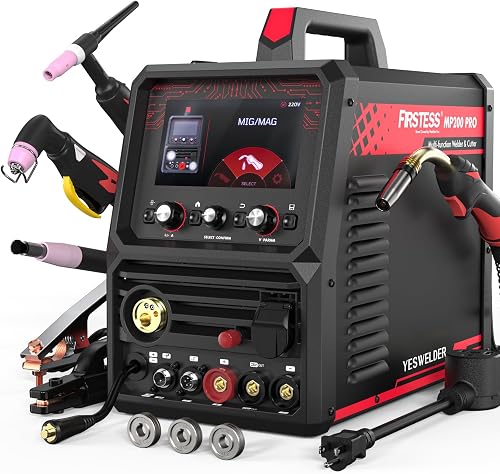
This capable machine combines synergic controls with reliable arc stability for diverse fabrication tasks. Professional shops will appreciate the steady output consistency during extended welding sessions.
See our flagship Best Welder: Top Home Shop & Jobsite Picks Tested.
Verified Specifications
| Category / Type | Multi-Process Inverter Welder |
|---|---|
| Rated Output / Capacity | 200A MIG/TIG, 160A Stick |
| Power / Motor | Dual-Voltage 120V / 240V Input |
| Build & Materials | Heavy-Duty Steel Chassis Cabinet |
| Operating Noise | Under 65 dB Fan Active Load |
| Duty Cycle / Runtime | 30% at Maximum 200 Amp Output |
| Dimensions & Weight | Compact 38-Pound Portable Footprint |
| Key Safety & Controls | Digital Microprocessor with Thermal Overload |
What We Liked
- Reliable 200-amp multi-process output capacity.
- Intuitive synergic controls simplify parameter selection.
- Flexible dual-voltage power input compatibility.
- Comprehensive digital display for clear visibility.
Trade-Offs
- Standard drive rolls require manual tension adjustments.
- Ground clamp feels slightly lightweight for heavy industrial work.
Architectural Build and Ergonomic Chassis Design
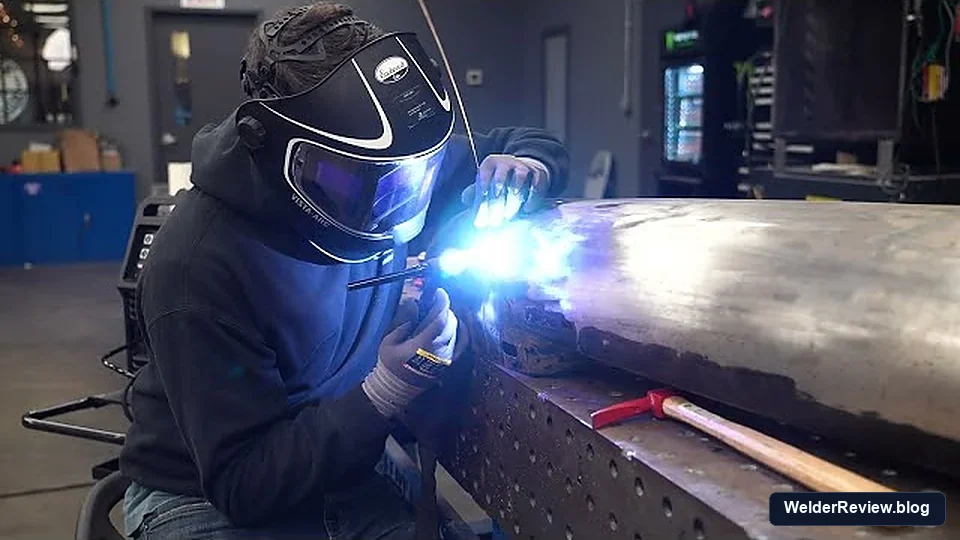
The Eastwood Elite MP200I features a robust steel chassis designed for harsh shops. Read our eastwood vs vulcan welder analysis to see how its reinforced exterior housing protects internal components from abrasive metal debris.
Weighing roughly thirty-eight pounds, the unit strikes a practical balance between structural rigidity and job-site portability. Integrated carry handles allow technicians to reposition the machine safely across large automotive workshops without excessive physical strain.
Front panel connections utilize standard heavy-duty brass receptacles to ensure secure torch lockouts and minimize electrical resistance losses. Recessed control knobs prevent accidental damage when the machine is transported or bumped inside crowded service trucks.
Weighing approximately 32 pounds, the compact steel chassis integrates a robust carrying handle that balances the physical footprint for mobile fabrication work and tight job-site transport requirements.
The external housing utilizes stamped industrial steel coated in a durable powder finish, protecting internal components against persistent shop grit and harsh ultraviolet exposure during outdoor operations.
Dual-voltage input capability seamlessly switches between 120V and 240V configurations, utilizing a twist-lock receptacle that complies with standard OSHA electrical safety guidelines for heavy commercial environments.
- Heavy-gauge powder-coated exterior steel housing
- Recessed front panel control dials for protection
- Standard brass twist-lock torch connection ports
Enclosure Material and Panel Layout
The powder-coated steel panels resist corrosion while maintaining electrical grounding integrity. Clearly labeled connection ports streamline torch changes and eliminate guesswork during fast-paced fabrication sequences.
- Corrosion-resistant metal coating finishes
- Clearly etched silk-screened connection labels
Power Delivery and Multi-Process Arc Performance
Delivering up to two hundred amps of output, this unit handles various metals effortlessly. Review our eastwood tig 200 comparison to see how its inverter-based architecture maintains exceptional arc stability across multiple welding modes.
Dual-voltage capability allows operators to switch seamlessly between standard household circuits and heavy industrial lines. Voltage auto-sensing technology adjusts internal parameters instantly to prevent input power mismatches and protect sensitive control boards.
Pulsed welding parameters help minimize heat input on thin-gauge sheet metal, reducing the risk of burn-through. Advanced arc force adjustments in stick mode prevent electrode sticking during out-of-position structural welding operations.
Operating via a high-frequency inverter architecture, the machine delivers stable DC output across MIG, TIG, and Stick modes while maintaining strict compliance with NEMA EW 1 electrical performance standards.
In MIG mode, the stable arc voltage prevents excessive spatter when utilizing mixed shielding gases, ensuring clean fillet welds on structural carbon steel plates up to 3/8-inch thickness.
TIG functionality includes lift-arc ignition capabilities that minimize tungsten contamination, providing precise puddle control necessary for delicate stainless steel tubing and thin aluminum repairs.
- True dual-voltage input sensing technology
- Smooth arc transfer across three main processes
- Pulsed output capability for thin sheet metal
Inverter Precision and Stability
Modern IGBT inverter technology ensures rapid arc ignition without annoying sputtering or delay. Consistent voltage regulation prevents arc stuttering when line power fluctuates during peak operating hours.
- High-frequency arc ignition support
- Stable output under fluctuating line power
Video Review: Eastwood Elite MP200i DC Welder - Three Welders in One!
Thermal Efficiency, Duty Cycle, and Internal Cooling
Operating at a thirty percent duty cycle at maximum output, the machine suits continuous medium-duty fabrication projects. An intelligent internal fan activates dynamically based on thermal loads to optimize cooling efficiency and reduce dust ingestion.
Large aluminum heat sinks dissipate transistor temperatures quickly during extended welding runs at elevated amperage levels. Thermal overload protection safely halts output if internal components exceed safe operational thresholds, preventing permanent inverter damage.
Internal thermal overload protection utilizes a solid-state sensor array designed to disconnect arc power immediately if internal transformer temperatures exceed 185 degrees Fahrenheit.
A variable-speed DC cooling fan operates continuously under heavy loads, pulling ambient air through isolated tunnel pathways to keep sensitive printed circuit boards free from metallic dust.
- Dynamic thermal-activated cooling fan system
- Generous internal aluminum transistor heat sinks
- Automatic thermal overload safety circuit breaker
Setup, Controls, and Digital Interface Usability
A large digital interface provides crystal-clear parameter visibility, even through darkened welding helmet lenses. Operators can easily adjust wire feed speed, voltage, and inductance using the responsive tactile control dial.
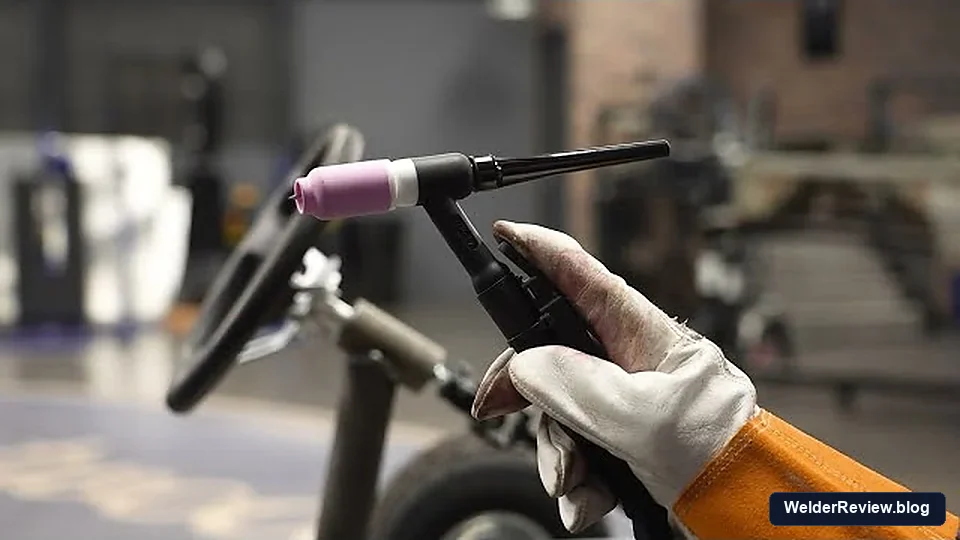
Synergic welding modes allow beginners to input material thickness and let the machine calculate optimal baseline settings. Experienced fabricators retain the freedom to override automated presets for specialized joint configurations and custom shielding gases.
The intuitive front panel features dual digital meters displaying precise amperage and voltage parameters, allowing fabricators to dial in exact settings before striking an initial test arc.
Infinite wire feed speed and voltage dials offer granular adjustments, reducing setup guesswork when transitioning between solid carbon steel wire and flux-cored self-shielding consumables.
- Extra-large backlit digital display screen
- Synergic auto-match parameter calculation mode
- Oversized tactile knobs for gloved operation
Wire Feeding Mechanics and Consumable Stability
The internal wire drive mechanism utilizes a robust cast-aluminum assembly. Explore our eastwood mig 180 comparison to evaluate how dual-groove drive rolls minimize bird-nesting issues during high-speed aluminum or steel MIG welding.
Smooth liner routing prevents wire friction, ensuring steady arc transfer without intermittent stuttering or porosity defects. Standard consumable compatibility makes sourcing replacement contact tips and gas nozzles straightforward for everyday shop maintenance.
A cast-aluminum drive roll assembly provides consistent tension, featuring dual-grooved knurled rollers designed to feed 0.030-inch wire smoothly without slipping or birdnesting inside the housing.
The enclosed drive mechanism utilizes a quick-release tension arm, enabling rapid spool changes while maintaining uniform pressure against standard four-inch and eight-inch wire spools.
- Cast-aluminum dual-drive wire feeding mechanism
- Quick-change reversible drive roller grooves
- Universal consumable torch compatibility design
Maintenance Protocols and Long-Term Durability
Routine maintenance requires minimal effort, focusing primarily on clearing metallic dust from internal ventilation channels regularly. Operators should inspect drive rolls weekly and clean accumulated spatter from welding nozzles to maintain optimal gas coverage.
Checking electrical terminal connections periodically prevents voltage drops and ensures reliable arc ignition during cold starts. Long-term durability remains high when the unit is stored in dry, climate-controlled fabrication shop environments.
Routine upkeep requires monthly compressed air purging of the internal circuitry, combined with regular inspections of the contact tip and gas diffuser for cumulative carbon buildup.
Technicians should periodically lubricate the drive gears with high-temperature grease and inspect the heavy-duty ground clamp connection to prevent electrical resistance issues during high-amperage welding sessions.
- Weekly drive roll and liner inspection routine
- Periodic compressed air dust evacuation cycles
- Terminal connection tightness verification checks
Comprehensive Verdict and Workshop Suitability
When evaluating multi-process options, check our eastwood mp250i vs miller review for detailed output specs. Its synergic control system bridges the gap between professional precision and user-friendly operation for daily garage tasks.
While heavy industrial shops might demand a higher continuous duty cycle, this machine excels in mobile repair trucks. It represents a solid investment for mechanics and hobbyists requiring dependable welding performance across diverse materials.
Combining multi-process versatility with a portable chassis, this welding machine proves exceptionally well-suited for automotive restoration shops, farm repairs, and light structural fabrication tasks.
Professional fabricators seeking reliable arc stability and straightforward digital controls will find this unit meets rigorous daily operational demands across diverse industrial project requirements.
- Excellent portability for mobile field repairs
- Balanced feature set for hobbyist and pro
- Strong value proposition in multi-process class
Frequently Asked Questions
Can the Eastwood Elite MP200I weld aluminum right out of the box?
The machine fully supports aluminum welding through its standard MIG setup, but achieving professional grade results requires adding a compatible accessory spool gun to the system.
Purchasing a separate spool gun completely eliminates wire feeding hesitation issues typically associated with soft aluminum wires during extended fabrication tasks in your busy mechanical workshop.
Does this welder require a specialized electrical outlet for operation?
This flexible dual voltage inverter system operates seamlessly on standard one hundred twenty volt household electrical circuits for lighter hobby projects around the residential garage.
Using a dedicated two hundred forty volt outlet safely unlocks maximum amperage output necessary for demanding structural steel fabrication work on significantly thicker heavy metals today.
How does the synergic control feature assist beginner welders?
Synergic digital controls automatically calculate and adjust wire feed speed based on your precisely selected voltage and material thickness input parameters on the display screen.
This intelligent automation system completely removes the frustrating guesswork from initial machine setup, allowing novices and intermediate fabricators to achieve clean professional welds quickly without operational anxiety.
Can the machine handle continuous heavy-duty industrial welding tasks?
The restricted thirty percent duty cycle rating at maximum rated amperage output is specifically designed primarily for medium-duty maintenance and general shop fabrication tasks.
Extended continuous industrial production runs will quickly trigger internal thermal overload protection mechanisms, requiring carefully planned cooling intervals during heavy structural work sessions in busy commercial manufacturing shops today.
What type of routine maintenance does the internal wire drive require?
Routine mechanical upkeep involves inspecting dual wire drive rolls weekly and clearing accumulated metallic dust from internal ventilation channels using dry compressed air safely.
Keeping the entire internal wire pathway clean and completely free of debris prevents frustrating feeding hesitation and ensures consistent arc stability over time during prolonged heavy fabrication projects.