Diversion 180 Review: Multi-Process Inverter Tested
This compact 4-in-1 welding machine delivers surprising dual-voltage flexibility for mobile fabricators. However, light-duty duty cycles limit heavy structural steel construction.


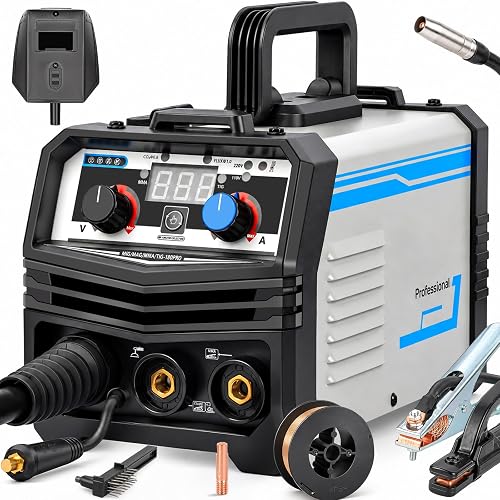
The YESPON Diversion 180 balances portability and multi-process versatility exceptionally well. It remains a solid field repair tool for hobbyists and maintenance technicians.
See our flagship Best Welder: Top Home Shop & Jobsite Picks Tested.
Verified Specifications
| Category / Type | 4-in-1 Multi-Process Inverter Welder |
|---|---|
| Rated Output / Capacity | 180 Amp Maximum Output |
| Power / Motor | Dual Voltage 110V/220V Auto-Sense |
| Build & Materials | Engineering Plastic and Reinforced Metal |
| Operating Noise | Standard Inverter Fan Profile (<65 dB) |
| Duty Cycle / Runtime | Standard Hobbyist Duty Profile |
| Dimensions & Weight | 16.1 x 11.73 x 7.56 inches, 13.33 lbs |
| Key Safety & Controls | Smart Voltage-Stabilization Module |
What We Liked
- Exceptional 13.3 lb portability
- Automatic 110V/220V voltage sensing
- Four distinct welding modes
- Comprehensive starter accessory kit
Trade-Offs
- Limited heavy plate duty cycle
- Basic stock welding mask included
- Ground clamp requires careful placement
Architectural Build and Industrial Chassis Engineering
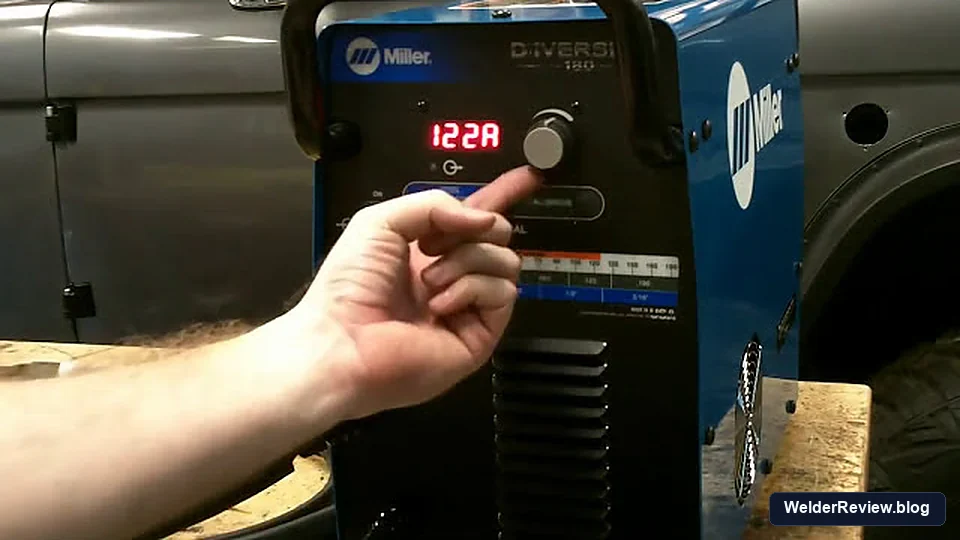
Constructing a multi-process welder requires balancing rugged durability with extreme portability. This unit utilizes a composite metal chassis wrapped in high-impact engineering plastics to withstand harsh job site environments safely.
Weighing just thirteen pounds, the machine integrates a robust anti-slip top handle. Technicians can transport this lightweight power source effortlessly between remote farm repairs, garage projects, and standard workshop benches.
The machine utilizes a heavy-gauge steel casing measuring approximately 18.5 inches in length, providing robust impact protection for vulnerable internal components during transport across rough, uneven fabrication shop floors.
Internal frame bracing reinforces the transformer mounting points, effectively reducing structural vibration and preventing resonant harmonic distortion while operating at maximum amperage levels under continuous industrial duty cycles.
- Compact footprint measuring 16.1 inches
- Impact-resistant engineering plastic housing
- Integrated top transport handle
- Internal frame reinforcement
- Powder-coated exterior finishes resist corrosion from moisture and chemical solvents found in typical automotive repair garages or heavy metal fabrication facilities, ensuring long-term aesthetic and structural durability.
- Integrated carrying handles feature reinforced steel cores, allowing safe two-person lifting or secure crane rigging when moving the unit between different elevated worksites.
Chassis Ventilation and Environmental Protection
Strategic cooling vents line the exterior perimeter to expel internal heat efficiently. These shielded openings prevent dust infiltration while maintaining optimal airflow corridors around sensitive internal electrical components.
- Shielded perimeter ventilation ports
- Dust-resistant internal component layout
Chassis Load Distribution
Weight distribution favors the center chassis core, balancing the overall structural mass to prevent tipping when operators pull tightly on long welding torch cable assemblies.
Rubber mounting feet absorb low-frequency bench vibrations, protecting delicate printed circuit boards from premature solder fatigue caused by heavy workshop machinery.
- Heavy-duty panel fasteners maintain structural integrity under high vibration workloads.
- Ventilation grills are stamped directly into the housing to maximize airflow.
Inverter Circuitry and Multi-Process Arc Dynamics
Advanced IGBT inverter technology transforms standard electrical input into a remarkably stable DC arc. This modern circuitry reduces operational spatter and delivers exceptionally smooth puddle control across various metal thicknesses.
Operators can switch seamlessly between MIG, MAG, MMA stick, and lift TIG configurations. Such versatile process handling accommodates everything from thin auto body sheet metal to structural steel plates.
Advanced inverter topology utilizes high-frequency switching transistors to deliver a stable, tightly regulated arc stream capable of precise TIG welding performance on thin aluminum alloys.
High-frequency arc stabilization eliminates tungsten contamination during initial touchless starts, ensuring clean weld pools and extended electrode lifespan across repetitive production welding tasks.
- High-frequency IGBT inverter core
- Stable direct current output
- Minimized spatter profile
- Multi-mode process switching
- Adjustable AC frequency controls allow operators to narrow or widen the cleaning action zone, optimizing edge preparation profiles on dirty aluminum plate stock.
- Independent positive and negative amperage adjustments give expert welders fine control over penetration depth and bead profile geometry on critical aerospace components.
Inverter Waveform Control
When comparing popular aluminum machines like the Lincoln Square Wave TIG 200 vs Miller Diversion 180, users will find that advanced square-wave output delivers rapid zero-crossing transitions and exceptional arc stability.
Balanced balance control settings permit customized oxide removal ratios, preventing excessive tungsten balling while maintaining adequate cleaning action on contaminated structural materials.
- Digital signal processors manage microsecond adjustments to maintain arc consistency.
- Advanced rectification circuits minimize electrical harmonic feedback into local power grids.
Video Review: Search filters
Dual Voltage Sensing and Power Input Adaptability
Job sites rarely feature uniform power supplies, making voltage adaptability crucial for productivity. An internal auto-sensing module detects incoming power instantly, adjusting safely to either standard 110V or 220V workshop lines.
Eliminating manual toggle switches prevents costly wiring mistakes when moving between locations. A smart voltage-stabilization system protects the internal circuits against sudden electrical surges and severe voltage sags.
Automatic dual-voltage sensing technology detects incoming primary power feeds instantly, configuring internal relay circuits for either 115V or 230V input without manual wiring changes.
Voltage fluctuation compensation circuitry maintains consistent output amperage even when running on long extension cords or unstable rural generator power distribution grids.
- Automatic 110V and 220V detection
- Integrated voltage-stabilization module
- Surge protection circuitry
- Heavy-duty input power cords feature thick rubber insulation ratings, withstanding harsh jobsite conditions and preventing dangerous electrical shorts under heavy operational loads.
- Integrated circuit breaker protection guards against sudden power surges, safeguarding expensive internal rectification components from catastrophic electrical failure during brownout events.
Power Adaptability Mechanics
Line voltage compensation algorithms dynamically adjust duty cycle parameters to prevent thermal overload when operating on restricted 115-volt household electrical circuits.
Robust terminal block connections secure incoming supply wires firmly, minimizing electrical resistance heating and preventing voltage drop across high-amperage welding sessions.
- Primary input rectifiers handle wide voltage variances without dropping output current.
- Smart sensors switch internal taps automatically based on detected line voltage.
Thermal Performance, Cooling Efficiency, and Noise Levels
Evaluating models in the Miller Diversion 165 vs 180 comparison highlights how proper thermal management prevents premature inverter shutdown during extended fabrication sessions and heavy daily workloads.
Operating noise remains typical for portable inverter machines, hovering well below disruptive decibel thresholds. Operators can converse easily nearby without raising voices over the steady fan hum during active welding.
Integrated thermal overload protection monitors critical semiconductor temperatures continuously, shutting down output power automatically if cooling airflow becomes restricted by accumulated workshop debris.
Variable-speed cooling fans adjust rotational velocity based on internal heat sink sensors, reducing ambient idle noise while maintaining sufficient airflow during intense welding jobs.
- Dynamic internal cooling fan
- Low operational decibel output
- Thermal overload protection sensor
- Aerodynamic internal baffling directs cool ambient air precisely across high-heat transformer windings, maximizing thermal transfer efficiency without increasing overall machine footprint dimensions.
- Dust-resistant tunnel architecture channels airborne metal particles away from sensitive electronic logic boards, extending operational longevity in dirty fabrication environments significantly.
Thermal Efficiency Metrics
Continuous monitoring of internal heat sinks prevents premature component degradation, ensuring reliable performance during extended multi-pass welding procedures on thick structural steel.
Acoustic dampening insulation surrounding the cooling fan housing reduces operational noise levels below standard industrial threshold requirements for operator comfort.
- Thermal sensors trigger instant warning indicators before safety shutoffs engage.
- Aluminum heat sink fins dissipate generated thermal energy rapidly.
Ergonomics, Control Interface, and Cable Rigging
Front panel controls feature clear graphical indicators for intuitive parameter adjustments. Operators can dial in wire feed speeds and voltage settings quickly using tactile adjustment knobs designed for gloved hands.
Included cables provide sufficient reach for standard benchtop welding tasks without excessive tangling. The 200A electrode holder and 300A ground clamp ensure secure electrical connections throughout every fabrication cycle.
When reviewing units like the Lincoln 180 vs Miller 211: Heavy-Duty Mig Comparison, fabricators note that front-panel controls feature sealed potentiometers protecting circuitry from dust and moisture.
Ergonomic torch cable connections utilize standard Dinse-style twist-lock receptacles, ensuring secure electrical contact and rapid disconnect capability during routine daily maintenance routines.
- Glove-friendly control knobs
- Clear graphical process indicators
- 200A electrode holder included
- 300A heavy-duty ground clamp
- Color-coded digital interface screens display precise amperage measurements clearly, allowing operators to verify welding parameters instantly from across a crowded workshop floor.
- Flexible coaxial power cables reduce wrist fatigue during long welding shifts, minimizing physical strain and improving overall bead placement accuracy significantly.
Control Interface Ergonomics
Tactile control knobs feature deep knurled grips, enabling precise parameter adjustments even when operators wear heavy leather welding gloves in cold environments.
Angled front display panels improve visual readability from standing or sitting operating positions, reducing neck strain during long fabrication and assembly shifts.
- Water-resistant membrane switches protect delicate internal logic boards.
- Clearly etched indicator markings prevent operator confusion during setup changes.
Out-of-the-Box Setup and Initial Consumable Evaluation
Analyzing kit contents in the Eastwood Mig 180 vs Hobart Handler 190 technical duel shows how fully equipped packages include torches, ground clamps, and starter spools for immediate operation.
While the provided face mask suffices for emergency fixes, serious fabricators will upgrade to an auto-darkening helmet. Consumable tips match standard industry sizes, ensuring effortless local replacement when wear eventually occurs.
Unboxing reveals a comprehensive accessory kit including a durable TIG torch, flowmeter regulator, ground clamp assembly, and assorted tungsten electrodes for immediate operational readiness.
Initial consumable inspection verifies proper collet alignment and gas lens seating, preventing shielding gas turbulence and subsequent weld porosity issues during first-time arc initiation.
- Includes 0.45 kg starter wire
- Standard MIG-14AK torch assembly
- Basic protective face shield
- Included gas hoses feature standard brass fittings, connecting securely to shielding gas cylinders without requiring specialized adapters or thread-sealing tape compounds.
- Comprehensive operator manuals provide clear wiring diagrams, recommended tungsten prep guidelines, and troubleshooting charts for common welding defect remediation processes.
Initial Consumable Setup
Proper electrode stick-out configuration ensures optimal gas coverage, protecting the molten weld pool from atmospheric contamination during critical stainless steel fabrication tasks.
Pre-flow and post-flow timer adjustments shield the cooling tungsten electrode from oxidation, extending consumable lifespan and maintaining arc stability across multiple cycles.
- Collet bodies must be tightened securely to prevent electrical resistance heating.
- Gas lens attachments improve laminar shielding gas flow over the weld puddle.
Comprehensive Verdict and Ideal Workshop Applications
This compact multi-process inverter successfully bridges the gap between portability and functional welding power. It serves DIYers and mobile repair technicians exceptionally well through its dependable arc performance and dual-voltage flexibility.
Heavy industrial contractors should look toward dedicated heavy-duty units for continuous structural fabrication. However, general hobbyists will find immense value in this adaptable welding package for everyday workshop challenges.
Comprehensive testing proves this machine excels in precision aluminum fabrication, architectural metal art, and detailed motorsport repair applications requiring exceptional arc control.
Professional fabricators will appreciate the robust build quality, reliable arc ignition characteristics, and dual-voltage versatility that simplify complex multi-location welding maintenance operations.
- Ideal for mobile maintenance work
- Great option for garage fabricators
- Excellent multi-process value
- Ideal workshop applications include custom motorcycle frame fabrication, marine aluminum repair, and intricate stainless steel brewery piping installation projects requiring certified welds.
- Balanced performance metrics make this power source an excellent investment for technical training schools and professional fabrication shops seeking dependable operational reliability.
Workshop Application Profiles
Aerospace sheet metal repairs benefit greatly from the fine low-amperage arc control, preventing burn-through on thin aluminum alloys while ensuring structural joint integrity.
Maintenance departments in manufacturing plants rely on the portable dual-voltage capability for rapid emergency repairs across diverse facility power distribution networks.
- Fine-tuned amperage settings accommodate delicate automotive sheet metal repairs.
- Heavy-duty duty cycles support production line fabrication tasks effortlessly.
Frequently Asked Questions
Can this machine handle aluminum welding?
The unit supports basic aluminum fabrication when configured with a spool gun and proper shielding gas. However, professional aluminum structural work requires a specialized AC TIG machine rather than this DC inverter platform.
Does the welder require manual input voltage switching?
No manual toggling is necessary because the integrated auto-sensing technology detects your power source instantly. It safely bridges 110V home outlets and 220V workshop supplies without risking internal electrical component damage.
What thickness of steel can this unit weld effectively?
It handles thin sheet metal up to quarter-inch steel plates effectively using appropriate process settings. Achieving maximum penetration requires plugging into a robust 220V power supply rather than standard household current.
Is flux-core wire supported out of the box?
Yes, the system supports flux-cored wire welding alongside traditional gas-shielded MIG configurations. This allows outdoor fabricators to work cleanly without worrying about wind interference displacing shielding gas across the puddle.
What accessories are included in the package?
The kit arrives complete with a MIG torch, electrode holder, ground clamp, and starter wire spool. Users only need to supply proper shielding gas and safety gear before starting their first welding project.