What Size Generator to Run 200 Amp Welder? Power Needs
Selecting the correct generator prevents equipment damage during high-amperage fabrication. Proper sizing ensures stable arcs and protects sensitive internal transformer components.

You generally need a generator rated for at least 10,000 to 12,000 running watts to safely power a 200 amp machine at maximum output without stalling. Always verify your specific input amperage draw specifications.
Ready to compare models? Start with our Best Welder: Top Home Shop & Jobsite Picks Tested.
Practical Quick-Reference Table
| Scenario / Metric | Recommended Target | Why It Matters |
|---|---|---|
| Input Amperage Draw | 40A to 50A at 240V | Determines minimum circuit breaker capacity required. |
| Continuous Running Watts | 10,000W to 12,000W | Prevents engine bogging during sustained welding runs. |
| Peak Starting Watts | 15,000W surge capacity | Handles the initial arc strike without tripping breakers. |
| Total Harmonic Distortion | Under 5 percent THD | Protects digital microprocessor-controlled inverter welding boards. |
| Engine Displacement | 600cc to 800cc minimum | Provides adequate torque reserve under heavy electrical loads. |
| Extension Cord Gauge | 8 AWG copper wire | Minimizes voltage drop over distances up to 50 feet. |
Electrical Demands of a Two Hundred Amp Arc Machine
Operating a heavy-duty welding machine requires substantial electrical input capacity from any portable power source. You must calculate the primary input amperage listed on your equipment data plate before selecting a generator.
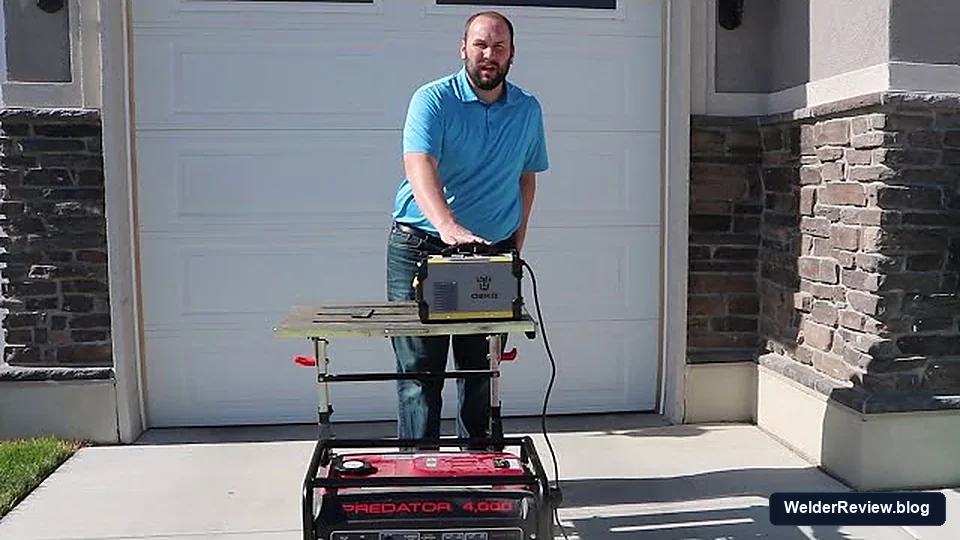
Most standard systems outlined in our best 200 amp mig welder guide draw between forty and fifty amperes under maximum output. Ignoring this high electrical demand causes immediate engine stalling.
Duty cycle ratings dictate how long your machine can run continuously before needing mandatory cooling periods. Higher duty cycles place sustained thermal stress on both the welding unit and the portable generator alternator.
- Locate the serial data plate to find exact input voltage and amperage requirements.
- Factor in power factor losses inherent in traditional transformer-based welding equipment designs.
- Avoid running portable units at maximum capacity for extended periods without rest breaks.
- Check local ambient temperature ratings since excessive heat reduces generator output efficiency.
Evaluating Transformer Versus Inverter Efficiency
Traditional transformer welders demand massive electrical power inputs due to their inherently lower operating efficiencies. Modern inverter machines require significantly fewer running watts to achieve identical output performance.
Choosing an inverter-based welding machine dramatically reduces the overall size of the generator you need. This technological difference saves substantial fuel and reduces transport weight on mobile job sites.
- Inverter units typically require eight to ten thousand watts for full output.
- Older transformer units often demand twelve to fifteen thousand watts minimum.
Calculating Starting Watts Versus Running Watts
Understanding the difference between surge capacity and continuous output is vital for reliable welding operations. The initial arc strike creates an electrical surge that far exceeds normal operating draw levels.
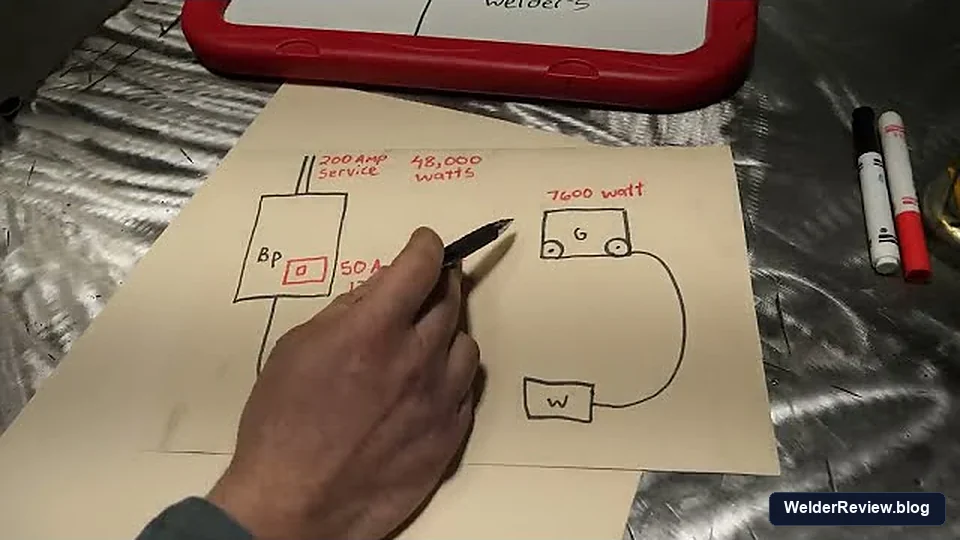
Your portable power source must provide adequate surge wattage capacity to prevent voltage drops during electrode ignition. Without this reserve margin, the arc will stutter, sputter, or extinguish completely.
Continuous running watts represent the sustained electrical load the generator handles after the arc stabilizes. Always size your equipment based on the continuous requirement plus a twenty percent safety buffer.
- Add a twenty percent safety margin to your final calculated running wattage.
- Verify peak surge ratings accommodate at least one point five times normal draw.
- Test generator response time under sudden load transitions during heavy plate welding.
- Monitor engine governor behavior to ensure rapid recovery during voltage sags.
Accounting for Auxiliary Shop Equipment Loads
Field operations demand precise power management when running peripheral tools alongside your primary setup. Use our welding amperage thickness calculator to determine exact electrical draws before starting any complex fabrication project.
Calculate every connected accessory device before striking an arc to prevent overloading the alternator. Exceeding total rated capacity trips circuit breakers and damages sensitive internal alternator windings.
- Sum up running wattages for all active auxiliary shop tools.
- Never operate high-draw plasma cutters on the same circuit simultaneously.
Video Walkthrough: How to Run a Welder Using a Generator
Generator Engine Displacement and Alternator Capacity
Small engine displacement limits the mechanical torque available to drive high-output electrical alternator heads. You need an engine featuring adequate cubic centimeters to maintain stable shaft rotation under heavy loads.
Engines under five hundred cubic centimeters frequently struggle to maintain proper governed rotational speeds when welding. A struggling engine drops frequency output, which destabilizes the welding arc and ruins weld pools.
Commercial-grade engines with cast iron cylinder sleeves offer superior durability for demanding field fabrication work. Proper cooling systems ensure the engine maintains peak performance during long, uninterrupted welding sessions.
- Select engines with high torque output at moderate operating revolutions per minute.
- Ensure the alternator features copper winding construction for superior thermal resistance.
- Check oil level sensor functionality to prevent catastrophic engine seizure during use.
- Inspect air filtration systems regularly to maintain optimal combustion efficiency outdoors.
Fuel Type Considerations for Field Portability
Gasoline-powered generators offer widespread fuel availability but require careful storage management on active job sites. Diesel generators provide superior fuel efficiency and longer service intervals under heavy daily loads.
Dual-fuel models offer exceptional versatility by allowing operators to switch between gasoline and propane supplies. Propane burns cleaner, reducing carbon buildup within the combustion chamber over extended operating hours.
- Store backup fuel containers in shaded, well-ventilated areas away from sparks.
- Drain carburetor bowls if storing gasoline units for more than thirty days.
Inverter Generators Versus Conventional Synchronous Units
Modern portable power comes in two distinct electrical architecture styles that impact welding performance. Traditional synchronous generators spin at fixed speeds to produce stable sixty-hertz alternating electrical current.
Advanced units featured within our best 200 amp multi process welder roundup require pristine electrical inputs. Inverter generators utilize digital microprocessors to clean and condition power output waveforms, protecting sensitive internal components.
Pure sine wave output ensures your welding machine's internal circuit boards experience zero electrical interference. Investing in inverter technology prevents costly component repairs caused by dirty electrical power sources.
- Synchronous units handle heavy inductive loads reliably but produce rougher power waveforms.
- Inverter units adjust engine speed dynamically to match current electrical demand levels.
- Keep total harmonic distortion below five percent to protect electronic components.
- Verify that your generator features dedicated 240-volt twist-lock receptacle outlets.
Evaluating Power Quality and Waveform Distortion
Electrical distortion can severely disrupt the delicate arc control algorithms of advanced welding machines. High harmonic distortion creates erratic arc behavior and increases spatter production during steel fabrication.
Use an oscilloscope or power quality meter to verify clean voltage delivery before connecting equipment. Clean power extends the operational lifespan of your expensive welding hardware significantly.
- Inspect brushes and slip rings on synchronous alternators for wear.
- Clean digital inverter cooling vents to prevent overheating failure.
Managing Voltage Drop and Total Harmonic Distortion
Sensitive machines like those evaluated in our best 200 amp ac dc tig welder review require stable voltage. You must utilize heavy-gauge copper cabling to minimize dangerous resistance drops over extended job site distances.
Total harmonic distortion affects the efficiency of transformer rectifiers and digital control microprocessors alike. High distortion levels cause excessive heat generation within the welding machine's internal copper coils.
Always keep your power supply cords as short as practically possible during field fabrication tasks. Shorter runs preserve optimal voltage levels and ensure consistent welding performance across all amperage ranges.
- Use minimum eight gauge wire for runs exceeding twenty-five feet in length.
- Inspect cable insulation regularly for cuts, abrasions, and thermal damage.
- Avoid coiling excess power cords during high-amperage draws to prevent induction heating.
- Secure all twist-lock plug connections tightly to prevent intermittent electrical arcing.
Calculating Correct Cable Lengths and Gauges
Undersized extension cords act like heating elements, stealing valuable voltage away from your welding machine. Reference standard American Wire Gauge charts to select appropriate conductors for your specific amperage draw.
Voltage drops exceeding five percent will cause welding arc instability and poor fusion quality. Proper cabling ensures your machine receives the full electrical energy required for sound welds.
- Limit total extension cord length to fifty feet whenever possible.
- Use waterproof twist-lock connectors for reliable outdoor job site safety.
Field Setup Protocols and Proper Grounding Standards
Establishing a safe physical earth ground is mandatory when operating portable generators on construction sites. Drive a solid copper grounding rod into the soil and connect it securely to the frame.
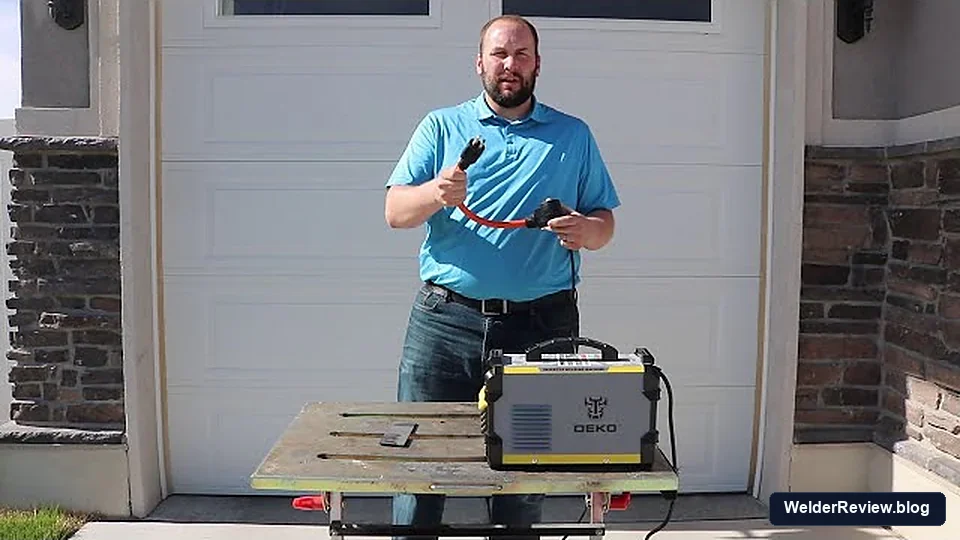
Proper grounding protects operators from lethal electrical shock hazards caused by internal insulation breakdown. Always verify your earth ground continuity with a digital multimeter before striking your first arc.
Position the generator downwind and away from your immediate welding workspace to avoid fume inhalation. Keep all electrical connections elevated off damp ground surfaces to prevent moisture short circuits.
- Drive a dedicated eight-foot grounding rod into moist earth surfaces.
- Attach heavy-duty copper bonding wire directly to the generator grounding lug.
- Keep exhaust fumes directed completely away from occupied workspaces and tents.
- Protect electrical outlets from direct rain exposure using weatherproof covers.
Inspecting Safety Interlocks and Circuit Breakers
Routine inspection of thermal overload breakers ensures your equipment shuts down safely during faults. Test all ground fault circuit interrupter receptacles before connecting expensive welding machinery to the power.
Replace tripped circuit breakers immediately if they fail to reset firmly or feel loose. Ignoring minor electrical faults invites severe shock hazards and potential generator alternator burnout.
- Press the test button on GFCI outlets monthly to verify operation.
- Keep spare fuses and breaker modules stored in your field service kit.
Preventative Maintenance Under Heavy Portable Loads
Operating generators in dusty or dirty environments demands rigorous preventative maintenance schedules to ensure longevity. Change engine oil and clean air filters twice as often when working on heavy construction sites.
Inspect spark plugs regularly for carbon fouling and correct electrode gap settings for reliable ignition. A well-tuned engine delivers the steady torque required to maintain consistent welding arc stability.
Store your portable generator in a dry, secure location protected from weather when not in use. Routine upkeep prevents unexpected equipment breakdowns and expensive repairs during critical fabrication projects.
- Change engine oil every one hundred hours of continuous heavy operation.
- Clean foam air filter elements using approved solvent and re-oil lightly.
- Check fuel lines for signs of cracking, hardening, or loose spring clamps.
- Inspect battery terminals for corrosion and ensure secure starter cable connections.
Winterizing and Long-Term Storage Procedures
Proper winterization protects your generator engine from freezing temperatures and moisture accumulation damage. Add fuel stabilizer to the tank and run the engine for ten minutes to coat internal passages.
Disconnect the starting battery and store it on a trickle charger in a temperate room. These simple steps ensure your emergency power equipment starts instantly when spring projects arrive.
- Drain all remaining fuel from the carburetor float bowl completely.
- Spray anti-corrosion lubricant onto exposed metal linkages and springs.
Frequently Asked Questions
Can I run a 200 amp welder on a standard 7000 watt generator?
A 7000 watt generator is generally too small for running a 200 amp machine at maximum output. You will likely experience frequent engine stalls and severe voltage sags during heavy welding passes.
Always aim for at least 10,000 running watts for full power capacity.
Do inverter welders require smaller generators than traditional transformer models?
Yes, inverter welders are significantly more efficient and demand less electrical input power. You can often operate an inverter machine successfully using an eight to ten thousand watt portable power source.
What happens if my generator has too much total harmonic distortion?
High harmonic distortion overheats internal transformer coils and damages sensitive digital microprocessors. Always choose a generator featuring clean power technology to protect your modern multi-process welding equipment from premature electrical failure.
Why does my generator engine bog down when I strike an arc?
Engine bogging indicates that your electrical surge demand exceeds the mechanical torque capacity. Ensure your unit features an adequate engine displacement and a fast-acting governor to recover quickly during arc ignition.
Do I need to earth ground my portable generator when welding outdoors?
Proper earth grounding is mandatory to protect operators from dangerous electrical shock hazards. Drive an eight-foot copper rod into the soil and connect it securely to your generator frame lug before starting work.