Yeswelder vs Titanium: Technical Head-to-Head Guide
Choosing between these popular welding brands requires analyzing internal architecture and duty cycles. We break down technical specs for your shop floor.

Choose Yeswelder for advanced digital controls and multi-process versatility in mobile rigs. Select Titanium for rugged Harbor Freight support and straightforward heavy-duty fabrication performance.
Compare all top models in our Best Welder: Top Home Shop & Jobsite Picks Tested.
Side-by-Side Breakdown
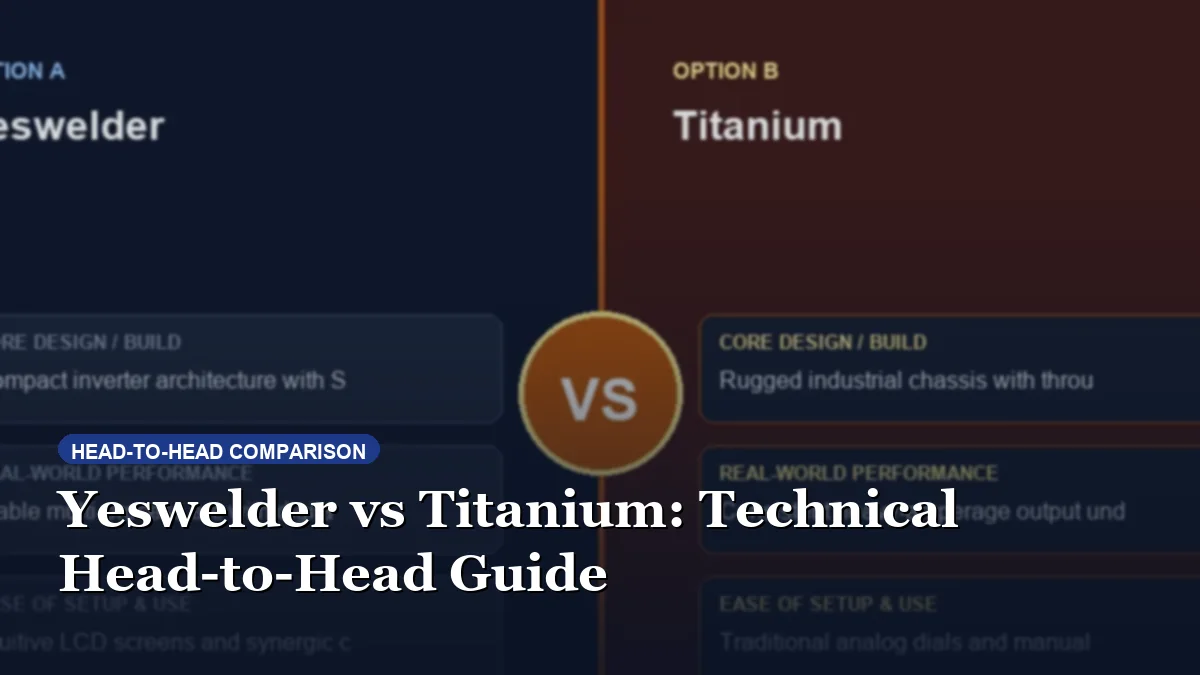
| Criteria | Yeswelder | Titanium | Edge |
|---|---|---|---|
| Core Design / Build | Compact inverter architecture with SMT boards | Rugged industrial chassis with through-hole layout | Titanium |
| Real-World Performance | Stable multi-process arc with digital presets | Consistent heavy-amperage output under load | Yeswelder |
| Ease of Setup & Use | Intuitive LCD screens and synergic controls | Traditional analog dials and manual charts | Yeswelder |
| Durability & Reliability | Moderate build quality for mobile hobbyists | Heavy-duty housing with robust thermal defenses | Titanium |
| Efficiency / Operating Footprint | High power factor via modern IGBT modules | Reliable transformer-inverter hybrid efficiency | Yeswelder |
| Maintenance Requirements | Routine board dust clearance and fan checks | Standard terminal torque checks and cleaning | Tie |
| Best Ideal Use Case | Automotive repair and versatile home shops | Structural steel fabrication and farm service | Titanium |
Core Design and Engineering Differences
Modern welding equipment demands robust internal architectures to withstand fluctuating input voltages. Yeswelder integrates advanced IGBT inverter technology to optimize power conversion efficiency across various workshop environments.
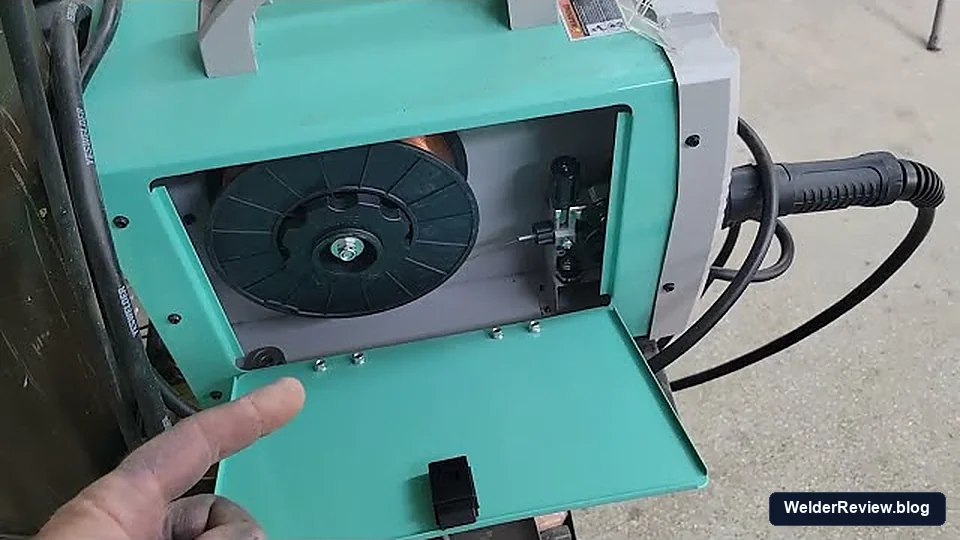
As noted within our titanium mig 140 review, these machines emphasize rugged structural housings built for harsh conditions. Their internal layout prioritizes thermal dissipation through heavy-duty aluminum heatsinks.
- Thick-gauge copper windings enhance transformer longevity.
- Sealed control boards protect against metal dust ingress.
- Optimized trace routing reduces electrical resistance losses.
Internal Component Architecture
Examining the printed circuit boards reveals distinct engineering philosophies between both brands. Yeswelder uses surface-mount device assembly to pack multiple welding processes into remarkably compact chassis designs.
Meanwhile, Titanium engineers rely on through-hole soldering for critical high-amperage pathways to enhance physical durability. This traditional approach minimizes vibration-induced failures during heavy transport in service trucks.
- Robust solder joints resist thermal fatigue over years.
- Compact layout reduces overall cabinet footprint significantly.
Chassis Construction and Materials
External casing materials dictate how well a machine survives accidental impacts in crowded shops. Yeswelder utilizes reinforced composite front panels alongside stamped steel body panels to reduce weight.
The Titanium lineup deploys heavy-gauge rolled steel cabinets finished with industrial powder coating. This heavy-duty approach prevents panel flexing when operators stack heavy gear on top.
- Impact-resistant corners protect delicate digital display screens.
- Corrosion-resistant finishes withstand outdoor weathering during jobsites.
Real-World Performance and Arc Stability
Evaluating arc performance requires testing actual puddle behavior under varying material thicknesses. Yeswelder provides exceptional arc starts and smooth droplet transfer during thin-gauge sheet metal fabrication tasks.
During our detailed titanium mig 170 review, we found these units excel by maintaining a stiff, driving arc through contaminated structural steel plates. Their voltage drop compensation prevents arc stuttering.
- Consistent wire feed speed prevents erratic stubbing issues.
- Precise inductance tuning minimizes harsh metal spatter levels.
- Rapid arc recovery handles sudden joint fit-up gaps.
MIG Welding Dynamics
Gas metal arc welding performance hinges on smooth wire delivery and stable voltage output. Yeswelder incorporates digital feedback loops that automatically adjust motor speed to maintain arc length.
The Titanium brand utilizes high-torque drive roll assemblies geared for heavy flux-cored wire applications. This mechanical advantage ensures reliable feeding even when pulling long gun liners.
- Four-roll drive systems prevent wire slipping under tension.
- Synergic voltage matching simplifies initial parameter setup steps.
TIG and Stick Capabilities
Process versatility remains a major deciding factor for professional fabricators and hobbyists alike. Yeswelder offers high-frequency TIG starts and adjustable pulse controls for delicate stainless steel work.
For stick welding, Titanium machines deliver high hot-start amperage to strike electrodes instantly on cold steel. Their built-in arc force control prevents sticking during vertical-down pipe passes.
- Lift-TIG functionality protects tungsten from contamination events.
- Dig control stabilizes arc characteristics during low-amperage runs.
Maintenance, Efficiency and Longevity
Long-term equipment reliability depends heavily on proactive maintenance routines and cooling efficiency. Yeswelder units feature intelligent fan-on-demand systems that reduce dust accumulation inside the sensitive inverter chamber.
As detailed in our titanium 140 welder review, this equipment relies on continuous-duty cooling fans designed to expel grinding debris. Operators must regularly inspect intake vents to prevent thermal overloads.
- Clean internal components prevent electrical short circuit risks.
- Routine contact tip replacements ensure optimal current transfer.
- Drive roll cleaning eliminates erratic wire feeding problems.
Thermal Protection and Duty Cycles
Pushing welding machines near their maximum amperage rating triggers internal thermal protection sensors. Yeswelder units utilize precise thermal switches that shut down the output while keeping fans spinning.
The heavy-duty transformers inside Titanium models absorb massive thermal loads before requiring a cooldown cycle. This resilience makes them popular for continuous production welding in commercial fabrication shops.
- Automatic reset features minimize downtime after thermal trips.
- Overtemp indicator lights provide clear diagnostic warnings.
Preventative Upkeep Schedules
Establishing a strict maintenance checklist extends the operational lifespan of your welding investment. Yeswelder recommends biannual compressed air blowouts to clear conductive dust from circuit boards.
For Titanium owners, periodic torque checks on internal bus bars prevent high-resistance electrical connections. Keeping your ground clamp connection clean ensures maximum current delivery to the workpiece.
- Inspect welding cables periodically for insulation cracking damage.
- Lubricate drive gear assemblies according to manufacturer guidelines.
Power Supply and Electrical Requirements
Matching your machine to available shop electrical infrastructure prevents nuisance breaker trips during projects. Yeswelder models frequently support dual-voltage input, allowing seamless switching between standard household and heavy lines.
Conversely, many high-output Titanium systems require dedicated high-amperage circuits to deliver their advertised rated output safely. Verifying your breaker box capacity beforehand avoids costly electrical upgrade surprises.
- Dual-voltage adapters enable portable mobile repair capability.
- Proper gauge extension cords prevent dangerous voltage drop issues.
- Input surge protection shields internal rectifiers from spikes.
Generator Compatibility
Mobile repair technicians often power their welding rigs using portable engine-driven generators. Yeswelder inverters include voltage regulation safeguards to handle unstable generator frequencies smoothly.
The robust power stage design of Titanium welders also tolerates dirty power from older jobsite generators. However, maintaining stable engine RPMs remains essential for clean weld puddle control.
- Inverter technology protects against sudden generator surge spikes.
- Minimum generator wattage ratings must exceed machine draw.
Power Factor Correction
Electrical efficiency impacts your monthly utility bill and overall operational footprint significantly. Yeswelder incorporates power factor correction circuitry to draw less current from the primary supply.
Traditional transformer topologies found in some competing units draw higher reactive power loads. Selecting efficient power conversion maximizes your usable amperage per household circuit breaker.
- Lower primary amp draw prevents tripping standard garage breakers.
- Optimized power factor reduces unnecessary electrical grid strain.
Setup, Ergonomics and User Interface
An intuitive user interface reduces learning curves for beginner welders and apprentices. Yeswelder incorporates bright LCD display screens and synergic parameter dials that simplify complex process adjustments.
The Titanium brand favors traditional analog potentiometer knobs and clear laminated reference charts. This straightforward layout appeals to seasoned fabricators who prefer tactile feedback over digital menus.
- Clear digital readouts show exact voltage and amperage settings.
- Ergonomic torch handles reduce hand fatigue during long shifts.
- Quick-disconnect gas fittings speed up torch changeover tasks.
Synergic Controls vs Manual Tuning
Choosing between automated parameter selection and manual control defines your daily workflow experience. Yeswelder synergic modes automatically calculate wire speed based on material thickness inputs.
Operating Titanium equipment encourages deeper understanding of fundamental welding metallurgy through manual adjustments. Operators dial in exact voltage and wire feed speeds based on visual feedback.
- Synergic presets accelerate workflow speed for production welding tasks.
- Manual fine-tuning allows specialized custom joint configurations.
Torch and Cable Ergonomics
The physical connection between operator and machine influences overall weld bead appearance. Yeswelder bundles flexible, lightweight torch leads that maneuver easily around tight automotive chassis angles.
The Titanium packages include heavy-duty, abrasion-resistant gun assemblies designed to withstand being dragged across concrete. While slightly stiffer, these robust leads resist torch cable burnout effectively.
- Ball-joint strain reliefs prevent awkward cable twisting motions.
- Quick-release liner replacement systems save valuable shop time.
Consumables and Torch Compatibility
Long-term operating costs depend heavily on the availability and pricing of replacement consumables. Yeswelder utilizes standard consumable styles compatible with widespread aftermarket welding supply distributors.
Similarly, Titanium machines accept industry-standard contact tips, nozzles, and drive rolls easily. This universal compatibility ensures you can source emergency replacement parts at local supply stores.
- Standardized tip sizes reduce inventory management overhead costs.
- Durable nozzle coatings minimize annoying weld spatter buildup.
- Readily available liners prevent extended operational project delays.
Consumable Life and Wear
Premature consumable degradation disrupts workflow and increases overall project expenditures unnecessarily. Yeswelder tips maintain good electrical contact longer due to precise manufacturing tolerances.
The heavy-duty thermal capacity of Titanium guns handles high heat input without melting tips prematurely. Proper gas shielding flow rates further extend the operational lifespan of consumables.
- High copper purity contact tips resist thermal erosion effectively.
- Insulator washers withstand high reflective arc temperatures safely.
Aftermarket Upgrades
Customizing your welding setup with premium aftermarket torches enhances overall usability. Yeswelder cabinets accept standard Euro-connect or direct-plug torches depending on the specific model variant.
Upgrading Titanium units with specialized spool guns or TIG torches proves straightforward using standard adapters. This flexibility allows your equipment to grow alongside your expanding fabrication skills.
- Universal adapter kits expand torch connection possibilities.
- Upgraded liner materials ensure smooth aluminum wire feeding.
Which Option Fits Your Setup
As highlighted in our titanium unlimited 200 review, selecting the right machine requires matching specific capabilities to workshop demands. Yeswelder models suit mobile fabricators seeking modern digital features.
Choosing Titanium benefits professional contractors and farm mechanics who prioritize rugged durability and straightforward serviceability. Assess your primary project materials before making your final purchasing decision.
- Match machine amperage output to your thickest project materials.
- Consider available shop electrical service before buying equipment.
- Evaluate portability needs for mobile repair truck service.
Hobbyist vs Professional Applications
Understanding your frequency of use helps determine the appropriate equipment tier for your shop. Yeswelder provides exceptional value for weekend warriors tackling automotive restoration and furniture fabrication.
Commercial repair shops require the relentless duty cycle performance offered by Titanium systems. Investing in the correct tier prevents premature equipment wear during demanding production schedules.
- Hobbyist units balance advanced digital features with affordability.
- Professional machines emphasize continuous heavy-load operational reliability.
Making the Final Decision
Weighing initial feature sets against long-term durability ensures lasting satisfaction with your new welder. Yeswelder delivers cutting-edge digital controls and versatility for dynamic, multi-material workshops.
The Titanium brand remains a dependable choice for those requiring unyielding structural fabrication strength. Review your workspace constraints and electrical limits to finalize your equipment selection.
- Prioritize features that align with your most frequent projects.
- Verify warranty support coverage for peace of mind.
Frequently Asked Questions
Which brand offers better multi-process versatility for home shops?
Yeswelder typically provides superior multi-process versatility with digital synergic controls tailored for hobbyists. Meanwhile, Titanium focuses heavily on dedicated heavy-duty performance across standard welding tasks.
Are replacement parts and consumables easy to find for both brands?
Yes, both manufacturers utilize standard industry-compatible consumables that you can easily source online or locally. Yeswelder and Titanium both support standard tips, nozzles, and drive rolls.
Can I run these welders on standard household electrical circuits?
Yeswelder models frequently feature dual-voltage capabilities for standard 120V household outlets. Conversely, many Titanium units require dedicated 240V circuits to deliver their maximum rated output.
Which welder is better suited for mobile repair truck service?
Titanium machines excel in mobile service trucks due to their rugged structural steel chassis and heavy-duty thermal design. However, Yeswelder offers lightweight portability advantages for quick on-site repairs.
How do their duty cycles compare under heavy fabrication loads?
Titanium welders generally offer higher continuous-duty ratings for heavy structural steel fabrication work. Yeswelder units provide adequate duty cycles for automotive repair and light shop tasks.