TIG vs MIG Welding: Technical Comparison Guide
Choosing between tungsten inert gas and metal inert gas processes requires balancing precision control against production speed. Understanding fundamental arc physics ensures optimal weld integrity for your specific fabrication shop.

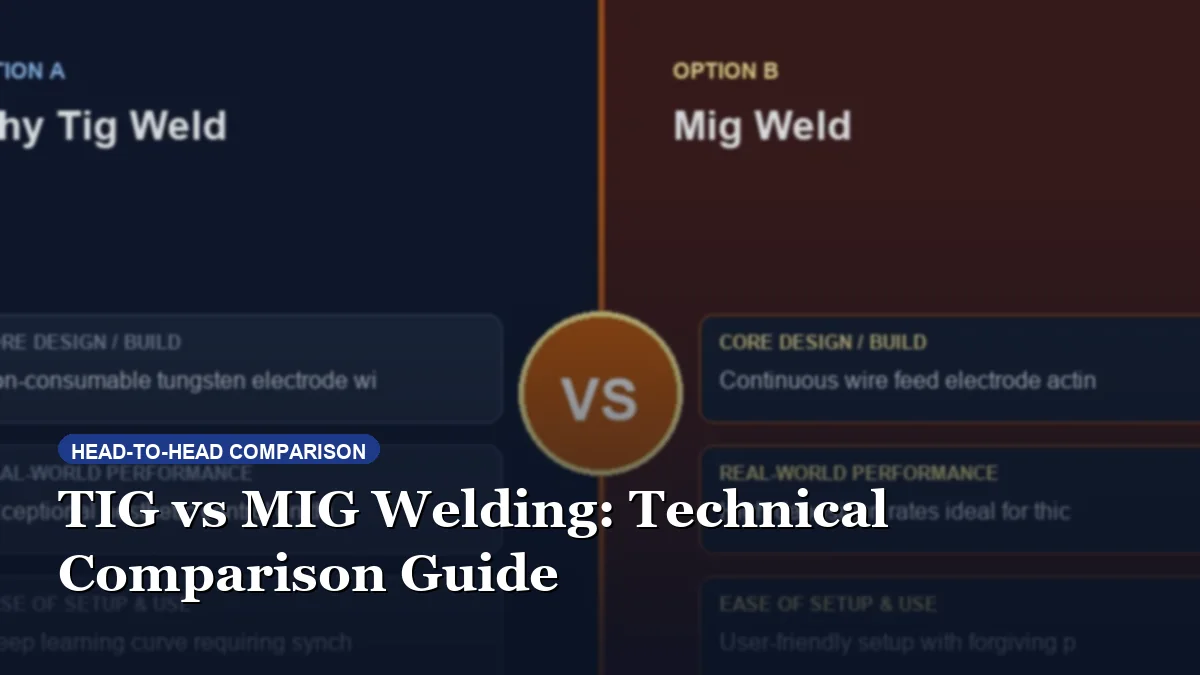
Choose TIG welding for high-precision aerospace fabrication involving thin exotic alloys. Opt for MIG welding when maximizing structural steel output and lowering overall operator training overhead.
Compare all top models in our Best Welder: Top Home Shop & Jobsite Picks Tested.
Side-by-Side Breakdown
| Criteria | Why Tig Weld | Mig Weld | Edge |
|---|---|---|---|
| Core Design / Build | Non-consumable tungsten electrode with manual filler rod addition. | Continuous wire feed electrode acting as both filler and arc source. | Depends on Application |
| Real-World Performance | Exceptional aesthetic control on thin metals and exotic alloys. | High deposition rates ideal for thick structural carbon steel plates. | Depends on Application |
| Ease of Setup & Use | Steep learning curve requiring synchronous two-handed coordination. | User-friendly setup with forgiving parameters for beginners. | Side B: Mig Weld |
| Durability & Reliability | Superior metallurgical purity with zero slag inclusions or spatter. | Reliable penetration profiles when shielding gas coverage is maintained. | Side A: Why Tig Weld |
| Efficiency / Operating Footprint | Slower travel speeds and meticulous cleaning reduce daily output. | Rapid deposition speeds maximize commercial fabrication throughput. | Side B: Mig Weld |
| Maintenance Requirements | Frequent tungsten grinding and torch consumable upkeep required. | Regular contact tip replacement and liner cleaning needed. | Tie |
| Best Ideal Use Case | Aerospace, motorsport exhaust systems, and precision artistic sculptures. | Automotive body panels, heavy structural frames, and production lines. | Depends on Application |
Fundamental Arc Physics and Heat Input Mechanics
Thermal management dictates final metallurgical properties across all modern welding operations. TIG welding utilizes a concentrated non-consumable tungsten electrode to establish an intensely stable electrical arc.
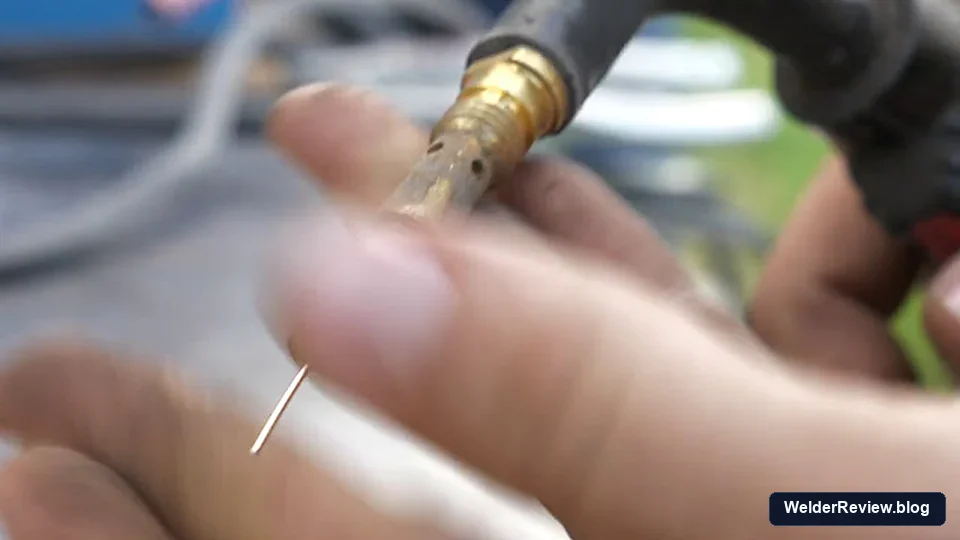
Precision amperage control allows fabricators to minimize the heat-affected zone significantly. This localized energy transfer prevents distortion on delicate components while ensuring deep root penetration.
Conversely, MIG welding relies on a continuously fed consumable wire electrode. The melting wire transfers metal directly into the weld pool, increasing deposition rates exponentially.
TIG welding utilizes a tungsten electrode to generate a precise arc, allowing independent control over thermal input. Review our troubleshooting tig arc wander guide before welding thin sections.
Conversely, MIG welding relies on a continuous wire feed that simultaneously acts as the current-carrying conductor and the filler metal, creating a broader, faster deposition weld pool.
Understanding these fundamental arc physics helps operators select the correct polarity, such as direct current electrode negative for TIG, minimizing component distortion and maximizing joint penetration.
- Non-consumable tungsten preserves strict arc geometry.
- Continuous wire feeding sustains high thermal input.
- Localized heat reduces material distortion risks.
Managing Thermal Distortion in Thin Sheets
Thin sheet metal applications demand meticulous thermal regulation to prevent catastrophic warping. TIG arcs permit micro-adjustments via foot pedals during active welding cycles.
Operators can instantly reduce amperage when the base metal reaches critical saturation temperatures. Such responsive control remains virtually impossible with standard constant-voltage machines.
- Foot pedal modulation prevents burn-through defects.
- Instantaneous amperage drops cool the weld puddle.
Shielding Gas Selection and Atmospheric Protection
Atmospheric contamination compromises weld integrity by introducing brittle oxides and porosity. Both processes demand inert shielding gases to displace reactive oxygen and nitrogen effectively.
Pure argon serves as the universal standard for safeguarding tungsten electrodes and reactive metals. Argon shielding prevents premature tungsten degradation and eliminates weld inclusions.
Mig setups frequently utilize custom argon-carbon dioxide gas mixtures for carbon steel. These blends stabilize the spray arc, helping technicians avoid issues detailed in our mig welder popping and sputtering guide.
Gas tungsten arc welding strictly requires inert gases like pure argon to prevent atmospheric contamination without reacting chemically with the molten weld pool during solidification.
Gas metal arc welding frequently incorporates argon-carbon dioxide mixtures to stabilize the arc transfer mode, reduce spatter, and improve overall bead contour on carbon steel components.
Maintaining correct shielding gas flow rates between 15 and 25 cubic feet per hour is critical for preventing porosity and ensuring structural weld integrity in drafty environments.
- Argon purity preserves tungsten electrode lifespan.
- Gas mixtures optimize carbon steel arc stability.
- Proper flow meters prevent atmospheric gas turbulence.
Optimizing Flow Rates for Variable Environments
Drafty workshops require careful adjustments to shielding gas flow rates and nozzle sizes. Excessive turbulence draws ambient air directly into the molten shield envelope.
Maintaining proper stickout distances ensures adequate gas coverage without restricting operator sightlines. Experienced technicians monitor regulator gauges constantly to prevent costly shielding failures.
- Correct CFH settings prevent surface porosity defects.
- Minimizing shop drafts preserves gas envelope integrity.
Joint Preparation and Base Metal Cleanliness Standards
Weld longevity directly correlates with meticulous pre-weld joint preparation and surface cleaning. TIG processes exhibit zero tolerance for surface oils, mill scale, or heavy oxidation.
Operators must aggressively wire brush and acetone-wipe base metals before striking any arc. Failure to remove contaminants results in tungsten splitting and severe weld porosity.
MIG equipment offers slightly more forgiveness regarding minor surface contamination due to active deoxidizers. Beginners should consult our best beginner mig welders selection before starting structural projects.
TIG welding demands immaculate joint preparation, requiring technicians to thoroughly remove all surface oxides, oils, and mill scale using stainless steel wire brushes and chemical solvents.
While MIG welding tolerates minor surface contaminants better due to the deoxidizing elements present in standard electrode wires, cleaning still drastically reduces porosity and inclusion defects.
Failing to properly clean base metals before welding often leads to trapped impurities, resulting in premature crack propagation and severe structural failure under operational loading conditions.
- Chemical cleaning removes microscopic grease layers.
- Mechanical grinding eliminates stubborn mill scale.
- Clean joint interfaces prevent internal weld defects.
Surface Oxide Removal on Aluminum Alloys
Aluminum naturally forms a tough refractory oxide layer with a high melting point. AC balancing during aluminum TIG welding blasts away surface oxides efficiently.
Mechanical stainless steel brushing immediately prior to welding further ensures crack-free results. Neglecting these preparation steps guarantees inclusions within the finished joint.
- AC cleaning action removes stubborn aluminum oxides.
- Dedicated stainless brushes prevent cross-contamination.
Operator Ergonomics and Production Speed Demands
Shop productivity relies heavily on operator ergonomics and overall process travel speeds. MIG machines dominate high-volume production environments through rapid deposition rates.
Single-handed operation allows fabricators to steady workpieces with their free hand. This streamlined workflow maximizes output across long production runs and repetitive tasks.
TIG procedures require synchronous coordination between both hands and a foot pedal. While slower, this deliberate pace ensures unmatched aesthetic quality for custom builds.
TIG welding is a physically demanding, two-handed process requiring exceptional hand-eye coordination to feed filler rod manually while maintaining a consistent arc length under protective hoods.
MIG welding significantly increases production speed and operator comfort by utilizing a gun-mounted trigger system, making it the preferred choice for high-volume manufacturing environments.
Balancing welder ergonomics against output requirements ensures that shops can deploy our best mig tig plasma combo options for long fillet welds while reserving manual TIG for intricate assemblies.
- Single-handed MIG guns increase travel speed.
- Two-handed TIG operations demand advanced dexterity.
- Foot pedal controls regulate heat input dynamically.
Reducing Fatigue During Extended Shifts
Minimizing physical fatigue is essential for maintaining consistent weld quality throughout long shifts. Ergonomic MIG torches reduce wrist strain during continuous multi-pass welds.
Lightweight TIG torch packages with flexible leather cable covers improve maneuverability in tight spaces. Proper equipment balancing prevents chronic repetitive strain injuries among operators.
- Flexible torch leads reduce wrist fatigue.
- Balanced cable management improves positional comfort.
Consumable Costs and Long-Term Equipment Maintenance
Operating expenses accumulate through ongoing consumable consumption and routine machine upkeep. TIG maintenance focuses primarily on careful tungsten grinding and torch cup replacements.
Contaminating a tungsten electrode requires immediate shutdown, removal, and regrinding on a dedicated wheel. This downtime impacts overall shop efficiency and consumable budgets.
MIG operations consume contact tips, nozzles, and drive rolls at predictable rates. Regular anti-spatter application extends tip life and prevents erratic wire feeding issues.
Operating expenses for TIG systems are heavily influenced by the consumption of pure tungsten electrodes and the high purity gas volumes required for shielding.
MIG operations incur regular costs related to contact tips, nozzle replacements, and drive roll wear, though these expenses are offset by high deposition rates and efficiency.
Routine maintenance schedules must include inspecting water coolers, cleaning drive mechanisms, and checking gas solenoids to prevent costly downtime and ensure reliable arc starts.
- Tungsten electrodes demand precise longitudinal grinding.
- Contact tips require routine sizing and replacement.
- Drive roll tension prevents wire birdnesting.
Extending Consumable Lifespan in Production
Maximizing consumable longevity requires proper equipment calibration and routine preventative maintenance checks. Preventative maintenance schedules reduce unexpected downtime on busy shop floors.
Checking drive roll alignment and cleaning wire liners eliminates friction points. These small adjustments ensure smooth wire delivery and consistent arc stability daily.
- Routine liner cleaning prevents wire binding.
- Calibrated drive tension stops premature tip wear.
Structural Integrity and Code Compliance Testing
Industrial fabrication must adhere to strict structural codes and non-destructive testing standards. Radiographic testing frequently inspects critical welds for internal cracks and volumetric defects.
TIG joints provide exceptional metallurgical purity that easily passes rigorous x-ray examination. The absence of flux and minimal spatter ensure flawless internal soundness.
MIG welds achieve full structural compliance when executed with proper parameters and shielding gases. Qualified welding procedures guarantee dependable strength across commercial building projects.
Structural code compliance often mandates rigorous radiographic and ultrasonic testing to verify that welded joints are free from internal cracks, lack of fusion, and porosity.
TIG welds typically pass nondestructive examination standards easily due to their clean profiles, whereas MIG welds require careful parameter tuning to avoid welding undercut defects.
Engineers must review specific AWS or ASME structural codes to determine whether TIG or MIG processes meet the tensile strength requirements for safety-critical load-bearing applications.
- Radiographic inspections verify internal weld soundness.
- Strict adherence to codes ensures structural safety.
- Metallurgical purity minimizes risk of crack propagation.
Interpreting Non-Destructive Examination Results
Analyzing non-destructive test results helps technicians refine their welding parameters and techniques. Ultrasonic testing detects subsurface anomalies without damaging the finished component geometry.
Reviewing weld discontinuity reports allows quality control teams to maintain high standards. Continuous feedback loops eliminate recurring structural defects across manufacturing batches.
- Ultrasonic testing identifies subsurface flaws accurately.
- Quality reports guide necessary parameter adjustments.
Specialized Industrial Applications and Material Limits
Different industrial sectors require specific welding processes to handle unique material constraints. Aerospace manufacturing relies exclusively on TIG welding for titanium and thin aluminum components.
The absolute control over heat input prevents metallurgical degradation in critical flight structures. Precision stack-of-dimes beads demonstrate superior craftsmanship and structural reliability.
Heavy industrial construction depends on MIG welding for thick structural steel fabrication. High deposition speeds and deep penetration capabilities satisfy demanding commercial timelines.
Aerospace manufacturing heavily relies on TIG welding for joining thin-walled exotic alloys like titanium, where precise heat control prevents metallurgy degradation and warping issues.
Heavy industrial fabrication utilizes high-amperage MIG processes to rapidly join thick structural steel plates, maximizing productivity on construction and shipyard assembly lines daily.
Understanding the specific material limits of each welding process ensures that fabricators avoid applying MIG to ultra-thin tubing or TIG to heavy structural beams.
- Aerospace sectors demand precise TIG capabilities.
- Heavy industry utilizes MIG for rapid assembly.
- Exotic alloys require specialized shielding protocols.
Fabricating Exotic Alloys for Extreme Environments
Extreme operational environments demand specialized alloys like Inconel and Monel. TIG welding provides the ultimate metallurgical control necessary for these reactive materials.
Back-purging piping assemblies prevents internal oxidation during root pass welding operations. This specialized technique ensures longevity in high-pressure chemical processing plants.
- Back-purging prevents internal root oxidation.
- Exotic alloys demand controlled thermal cycles.
Frequently Asked Questions
Why is TIG welding considered superior for thin metals?
Precise amperage modulation and concentrated heat input allow operators to avoid burn-through. This control produces clean stack-of-dimes aesthetics on delicate materials.
What makes MIG welding faster than TIG welding?
Continuous wire feeding automatically replenishes filler metal while maintaining a stable arc. This automated feed rate maximizes overall production efficiency across long joints.
Can MIG welding be used outdoors in windy conditions?
Windy environments disrupt shielding gas envelopes, causing severe porosity defects in the weld. Fabricators must utilize wind screens or switch to flux-cored wire.
Why does TIG welding require absolute surface cleanliness?
Contaminants like oil or mill scale instantly degrade the non-consumable tungsten electrode. Proper cleaning ensures optimal metallurgical purity without porosity.
Which welding process has a steeper learning curve for beginners?
TIG welding demands synchronous coordination of both hands and a foot pedal. Mastering this technique requires extensive practice for proper arc control.