Tig Welder vs Arc Welder: Technical Comparison
Choosing between tungsten inert gas and shielded metal arc processes impacts your weld quality, setup time, and material capability. Understanding these core differences ensures optimal workshop productivity.

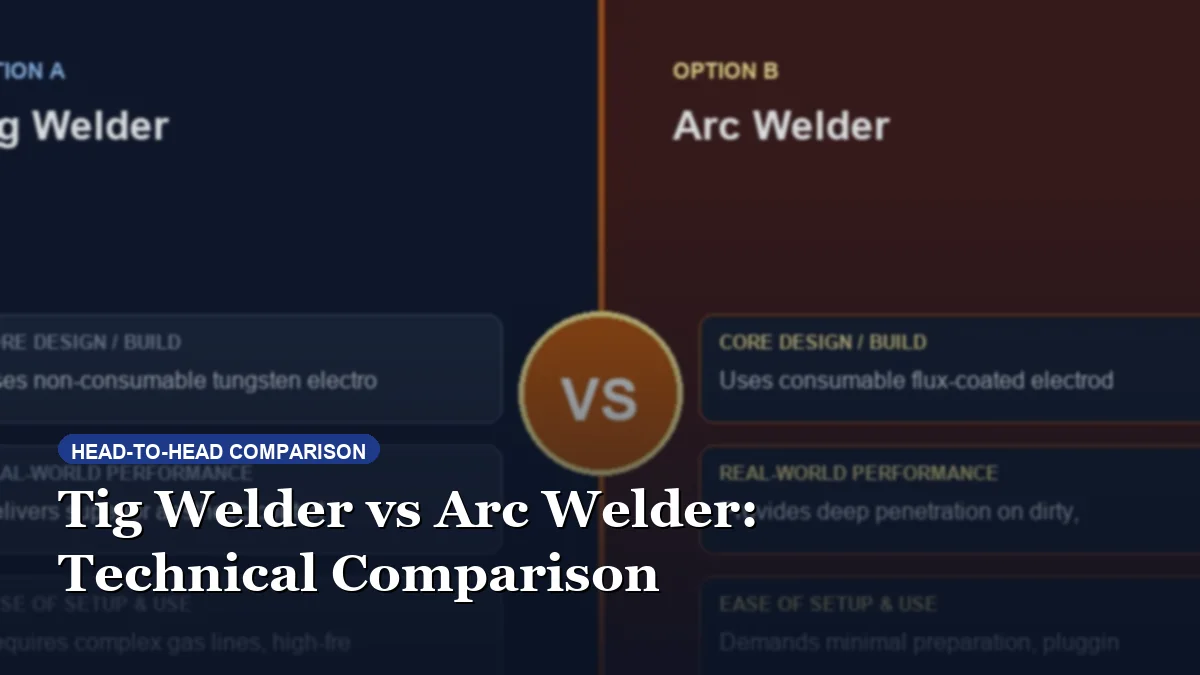
Choose the TIG system for precision aerospace work on thin aluminum alloys, or deploy the arc welder for rugged structural steel fabrication outdoors.
Compare all top models in our Best Welder: Top Home Shop & Jobsite Picks Tested.
Side-by-Side Breakdown
| Criteria | Tig Welder | Arc Welder | Edge |
|---|---|---|---|
| Core Design / Build | Uses non-consumable tungsten electrode with external shielding gas. | Uses consumable flux-coated electrode creating a protective slag blanket. | Tig Welder |
| Real-World Performance | Delivers superior aesthetic control and X-ray quality on thin gauges. | Provides deep penetration on dirty, rusty, or thick structural steel. | Arc Welder |
| Ease of Setup & Use | Requires complex gas lines, high-frequency starts, and manual filler rod feeding. | Demands minimal preparation, plugging directly into power with a simple electrode holder. | Arc Welder |
| Durability & Reliability | Sensitive to contaminated environments, drafts, and delicate torch components. | Rugged transformers withstand harsh jobsite abuse, dust, and moisture effortlessly. | Arc Welder |
| Efficiency / Operating Footprint | Inverter technology maximizes electrical efficiency within a compact portable footprint. | Heavier copper transformer designs draw more amperage but offer bulletproof reliability. | Tig Welder |
| Maintenance Requirements | Demands frequent tungsten grinding, collet replacements, and torch coolant checks. | Requires basic stinger replacement, slag chipping, and occasional terminal tightening. | Arc Welder |
| Best Ideal Use Case | Precision motorsport fabrication, artistic sculptures, and thin-wall stainless pipe. | Heavy equipment repair, bridge construction, and field maintenance projects. | Split |
Core Engineering & Design Architecture
Examining internal machine architecture reveals stark contrasts in how electrical energy is converted into thermal output for joining metals safely.
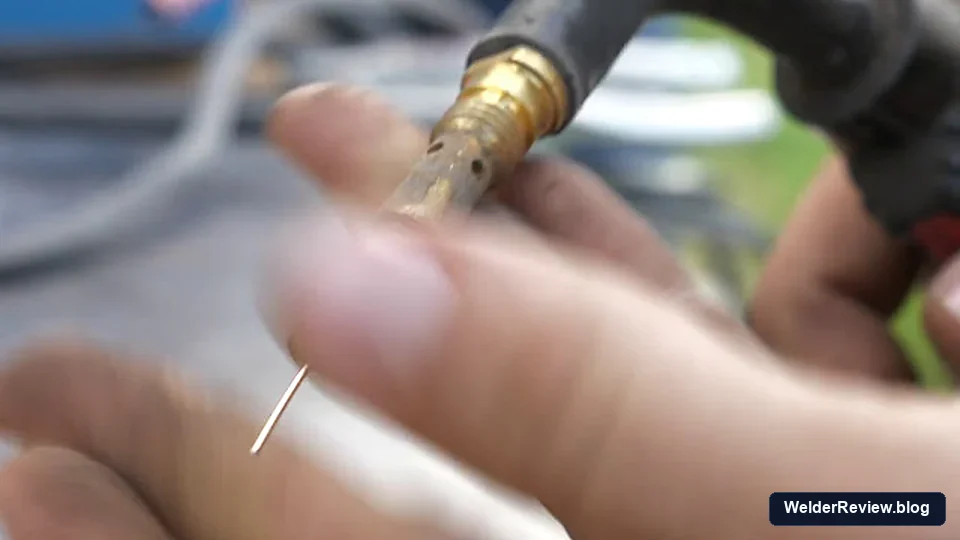
Engineering standards dictate that shielding mechanisms differ fundamentally, separating inert gas coverage from consumable flux degradation processes entirely.
When working on non-ferrous joints, many fabricators rely on our best aluminium tig welder guide to find units with precise amperage control and stable inverter topologies for delicate AC passes.
Conversely, shielded metal arc welding units employ drooping characteristic transformers or generators. These robust circuits inherently compensate for arc length variations, ensuring consistent droplet transfer despite steady hand tremors in heavy structural fabrication environments.
- TIG machines rely on constant current inverter topology for precise arc stability.
- Arc welders utilize heavy-duty droop curve transformers designed for robust industrial output.
- Cooling mechanisms range from forced air cooling to complex closed-loop water recirculation pumps.
Power Source Mechanics
Modern tungsten inert gas units incorporate microprocessor controls to modulate high-frequency arc initiation safely.
Shielded metal units prioritize rugged electrical tolerances to survive severe voltage drops on remote job sites.
- Inverter power sources reduce overall equipment weight significantly.
- Transformer units offer unmatched resistance to power surges.
Consumable Delivery Systems
Tungsten torches channel inert argon gas directly over the weld pool while operators manually feed filler wire.
Stick electrodes generate their own gaseous shield and protective slag layer as the flux coating burns away.
- Inert gas purity must remain above ninety-nine percent for quality results.
- Electrode coatings dictate specific storage requirements to prevent moisture absorption.
Real-World Performance & Precision
Performance metrics highlight operational boundaries separating delicate sheet metal fabrication from heavy structural steel erection, details fully analyzed in our best ac dc tig welder for the money guide.
Operators must weigh aesthetic finish requirements against penetration depth when selecting appropriate thermal joining methodologies for specific projects.
Tungsten inert gas systems excel on ultra-thin sheet metals down to 0.030 inches. Operators maintain absolute control over the heat-affected zone, virtually eliminating distortion when fabricating precision stainless steel food processing tanks or aerospace components.
Arc welders dominate heavy plate fabrication exceeding quarter-inch thicknesses. The aggressive digging arc effortlessly burns through mill scale and rust, depositing robust alloy reinforcement directly into structural joints without requiring meticulous chemical cleaning beforehand.
- TIG processes excel at producing visually stunning stack-of-beads reinforcement geometries.
- Stick welding delivers deep root penetration necessary for thick joint configurations.
- Heat affected zones remain narrow during tungsten operations to minimize warping.
Material Thickness Limits
Tungsten systems easily handle microscopic foil gauges down to zero point zero two inches safely.
Shielded metal equipment dominates heavy plate fabrication exceeding quarter-inch structural steel dimensions reliably.
- Thin aluminum assemblies require AC balance adjustments on advanced TIG inverters.
- Thick carbon steel plates demand high amperage output from heavy-duty stick machines.
Joint Cleanliness & Purity
Inert gas setups demand immaculate base metal preparation to prevent porous weld defects from forming.
Coated electrodes contain powerful deoxidizers capable of cutting through heavy mill scale and rust.
- Acetone cleaning is mandatory before striking a tungsten arc on aluminum.
- Slag removal hammers are required immediately after finishing a stick pass.
Efficiency, Shielding & Operating Footprint
Operating efficiency encompasses electrical consumption rates, consumable costs, and workspace management logistics across standard industrial shifts.
Managing shielding requirements effectively prevents atmospheric contamination while optimizing overall operational expenditure in commercial workshops.
Gas tungsten setups require external compressed shielding cylinders filled with 100 percent argon gas. Managing flow rates between 15 and 25 cubic feet per hour is mandatory to prevent atmospheric contamination of the molten weld pool.
Stick welding relies on flux-coated electrodes that self-generate a gaseous shield during combustion. This eliminates heavy gas bottles, significantly improving jobsite mobility and reducing auxiliary equipment overhead during outdoor pipeline construction projects.
- Argon cylinder rentals add recurring overhead costs to tungsten operations.
- Stick electrodes eliminate external gas bottles entirely, simplifying remote transport logistics.
- Electrical conversion efficiencies exceed eighty-five percent in modern inverter-based power units.
Gas Management Systems
Flow meters and dual-stage regulators ensure precise shielding gas delivery without turbulent atmospheric aspiration.
Drafty outdoor environments quickly disrupt gas coverage, necessitating expensive wind screens or alternative welding methods.
- Gas lens configurations improve shielding coverage over extended stick-out distances.
- Hose leaks cause catastrophic oxidation within seconds of arc ignition.
Electrical Duty Cycles
Thermal overload sensors protect internal components during high-amperage continuous welding operations.
Duty cycle ratings dictate how many minutes out of ten a machine can operate safely.
- Industrial inverters often feature sixty to one hundred percent duty cycles.
- Budget hobbyist units require mandatory cooling intervals during long fabrication runs.
Maintenance, Consumables & Longevity
Long-term equipment reliability depends heavily on proactive maintenance routines, proper storage protocols, and timely consumable replacement schedules.
Understanding component wear patterns prevents unexpected downtime and extends the operational lifespan of your primary welding investment.
Maintaining a tungsten torch demands frequent electrode grinding to maintain a sharp point. Operators must regularly inspect ceramic cups and collet bodies for heat checking, ensuring optimal gas coverage and preventing premature tungsten oxidation failures.
Arc welding maintenance focuses primarily on stinger replacement and cable integrity. Technicians must periodically clean internal transformer cooling fins and check electrode holder jaws to prevent excessive electrical resistance during high amperage outdoor cycles.
- Tungsten electrodes require precision point grinding on dedicated diamond wheels.
- Torch collets and ceramic cups suffer thermal shock and mechanical damage frequently.
- Electrode holders burn out over time due to high electrical resistance.
Torch and Electrode Upkeep
Contaminated tungsten tips must be snapped off and reground immediately to maintain stable arc focus.
Water-cooled torches require periodic coolant flushes to prevent pump cavitation and overheating.
- Always grind tungsten lengthwise to encourage smooth electron flow patterns.
- Inspect O-rings regularly to prevent coolant leaks inside the torch handle.
Machine Component Wear
Internal circuit boards accumulate conductive metallic dust that requires compressed air clearing periodically.
Heavy-duty transformer coils rely on robust varnish insulation to prevent short circuits under load.
- Blow out cabinet interiors every six months in heavy fabrication shops.
- Check primary input power cords for fraying or thermal degradation.
Field Usability & Environmental Adaptability
Deploying welding equipment in adverse field conditions tests mechanical durability against harsh weather, dust, and physical impacts.
Selecting the right tool for outdoor maintenance operations ensures job completion without frustrating equipment failures.
Choosing top-tier gear from our best tig welder for aluminum lineup demands strict indoor control because drafts easily displace the inert shielding envelope, causing severe porosity and tungsten contamination.
Stick welding thrives in adverse weather conditions including high winds and rain. The solid flux coating physically shields the arc path, making shielded metal arc equipment the preferred outdoor choice for bridge repair and field construction.
- Arc welders shrug off blowing winds that instantly ruin delicate gas shields.
- TIG setups require sheltered enclosures or specialized trailers for remote field service.
- Portable engine-driven generators pair exceptionally well with high-draw stick units.
Outdoor Weather Resistance
Rain, humidity, and wind present severe operational hazards to gas-shielded tungsten welding processes.
Ruggedized stick machines feature weather-resistant housing designs built for punishing construction environments.
- Keep stick electrodes in heated rod ovens to prevent moisture defects.
- Use heavy canvas tarps to shield delicate electronics during outdoor jobs.
Positional Welding Challenges
Overhead and vertical-up configurations demand exceptional operator dexterity and precise amperage control.
Fast-freezing slag formulations help support molten metal pools during complex structural overhead passes.
- E7018 electrodes provide smooth vertical-up capabilities on structural steel.
- TIG overhead welding requires incredible physical stamina and steady hand support.
Setup Complexity & Ergonomic Demands
Mastering equipment ergonomics and complex setup procedures directly correlates with operator fatigue levels and overall weld quality consistency.
Balancing physical comfort with rigorous procedural preparation ensures high output rates across extended working shifts.
Operating a tungsten inert gas machine requires synchronized two-handed coordination. Welders must balance torch angle, arc length, and filler wire addition while operating a remote foot pedal to dynamically adjust welding amperage on the fly.
Stick welding simplifies initial setup by requiring only a single electrode holder and work clamp. However, managing consumable stub loss demands consistent muscle memory to maintain a tight arc gap as the electrode slowly burns down.
- TIG welding demands simultaneous two-handed coordination for torch and filler wire.
- Stick welding simplifies hand positioning by eliminating separate filler rod management.
- Proper workbench height reduces lower back strain during long fabrication sessions.
Preparation and Cleaning Protocols
Tungsten processes require obsessive cleaning routines to remove surface oxides, oils, and contaminants.
Shielded metal applications allow rapid assembly by burning through moderate surface imperfections effortlessly.
- Stainless steel wire brushes prevent cross-contamination on aluminum joints.
- Grinding bevels correctly ensures complete joint penetration on heavy plate.
Physical Strain and Torch Control
Maintaining an exact arc length with a tungsten electrode requires unwavering muscle memory and focus.
Electrode holder weight and stiff power cables contribute to forearm fatigue during all-day stick welding.
- Use leather wrist supports to steady your hand during delicate TIG passes.
- Rest lead cables over your shoulder to minimize working tool resistance.
Determining Your Ideal Workshop Fit
Matching machine capabilities to your specific project portfolio guarantees maximum return on investment and long-term workshop satisfaction.
Evaluating your primary metal types, workspace constraints, and budget helps finalize system selection, especially when consulting our cheapest ac dc tig welder review for cost-effective workshop upgrades.
Select a tungsten inert gas system if your shop focuses on custom automotive restoration, thin aluminum fabrication, or projects demanding immaculate cosmetic weld beads without post-processing grinding or extensive clean-up operations.
Invest in a reliable shielded metal arc machine when tackling heavy structural repairs, thick carbon steel frames, or maintenance work where maximum joint penetration outweighs the need for aesthetic finish and minimal spatter.
- Automotive custom shops benefit immensely from versatile AC/DC TIG inverters.
- Farm repair operations rely almost exclusively on rugged, dependable stick welders.
- Professional fabricators often maintain both systems to cover every application.
Automotive and Sheet Metal Shops
Precision sheet metal fabrication demands the absolute heat control provided by tungsten inert gas technology.
Exhaust headers, roll cages, and custom body panels require clean welds with zero spatter.
- Pulse TIG settings minimize heat input on thin stainless steel tubing.
- Eliminating post-weld grinding saves valuable finishing hours.
Heavy Structural and Farm Repair
Repairing cracked tractor buckets and heavy trailer frames requires the raw penetration of stick welding.
Jobsite versatility and weather resistance make arc welders the undisputed king of field maintenance.
- Keep a variety of general-purpose and low-hydrogen electrodes on hand.
- Ensure proper grounding clamps maintain solid electrical contact on painted steel.
Frequently Asked Questions
Can a TIG welder be used outdoors without a wind screen?
Outdoor drafts easily blow away the shielding gas and ruin the weld pool. Therefore, using a protective wind screen is strictly necessary for outdoor work.
Why is stick welding better for rusty or dirty metal?
The flux coating creates a cleansing gas and slag blanket that floats impurities away. This makes a flux-coated electrode ideal for dirty steel.
Do I need high-frequency arc start for steel welding?
High frequency helps start the arc without touching the tungsten to the metal surface. However, standard scratch start works well for carbon steel fabrication.
What is the biggest maintenance difference between these two processes?
TIG requires meticulous tungsten grinding and delicate torch upkeep, whereas arc welding involves basic stinger replacement. Routine equipment cleaning ensures reliable daily operation.
Which machine is easier for a complete beginner to learn?
Arc welders offer a much simpler setup and immediate striking capability for novices. Mastering a stick machine builds foundational hand-eye coordination quickly.