Synergic vs Manual MIG Welder: Technical Comparison
Navigating modern metal fabrication requires understanding automated parameter pairing. This guide contrasts automated synergic systems against traditional manual wire-feed setups.

Choose synergic systems for rapid job-shop transitions and consistent production runs. Select manual MIG welders for absolute arc control over variable joint configurations.
Compare all top models in our Best Welder: Top Home Shop & Jobsite Picks Tested.
Side-by-Side Breakdown
| Criteria | Synergic | Manual MIG Welder | Edge |
|---|---|---|---|
| Core Design / Build | Microprocessor-driven dual-voltage inverter platform | Conventional transformer or basic inverter | Synergic |
| Real-World Performance | Automatic arc stabilization across changing stick-out | Direct mechanical feedback requiring physical adjustments | Manual |
| Ease of Setup & Use | Preset material thickness and wire diameter algorithms | Manual voltage taps and wire feed speed dials | Synergic |
| Durability & Reliability | Complex circuit boards sensitive to harsh environments | Rugged analog components resistant to jobsite abuse | Manual |
| Efficiency / Operating Footprint | Optimized power draw with high duty cycles | Standard electrical draw with variable efficiency | Synergic |
| Maintenance Requirements | Firmware updates and sensitive sensor calibration | Simple mechanical cleaning and contact tip swaps | Manual |
| Best Ideal Use Case | High-mix fabrication shops with varying metal gauges | Dedicated heavy structural welding and pipeline work | Synergic |
Core Design and Engineering Architecture
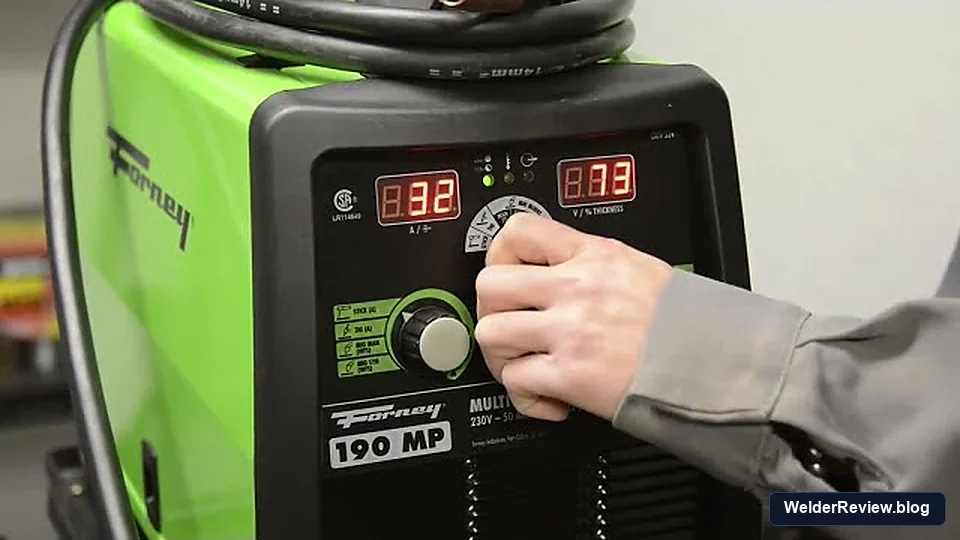
Modern welding engineering focuses heavily on bridging the gap between operator skill and output quality. Synergic machines utilize advanced microprocessors to link wire feed speed directly to output voltage parameters.
Traditional manual equipment relies on discrete analog controls or mechanical tapped switches. Fabricators must manually calculate and dial in both variables based on empirical tables and personal experience.
Internal architectural differences dictate how each machine responds to line voltage fluctuations. Smart inverters compensate instantly, whereas older transformer designs sag under heavy industrial loads.
- Synergic systems feature proprietary software algorithms for metal transfer modes.
- Manual units use heavy copper windings and mechanical rotary switches.
- Circuit board integration increases component density inside automated welding cabinets.
- Analog architectures prioritize rugged mechanical durability over digital precision.
Microprocessor Integration in Modern Power Sources
Digital signal processors govern the dynamic arc characteristics in advanced welding stations. These chips process thousands of feedback loops every second to maintain a stable arc column.
Manual welding equipment bypasses digital processing entirely to deliver raw electrical current. Operators listen to the sound of the arc to gauge penetration and heat input.
- Digital signal processors monitor short-circuit frequency continuously.
- Raw transformer outputs provide unfiltered electrical waveforms.
Transformer vs Inverter Power Delivery
Inverter power sources convert incoming alternating current into high-frequency direct current. This allows for smaller transformers, reduced overall weight, and precise arc control profiles.
Heavy transformer units utilize large iron cores to step down workshop voltage. Their sheer mass absorbs thermal spikes effectively during extended heavy structural fabrication projects.
- High-frequency inverters reduce machine weight by over fifty percent.
- Iron core transformers offer unmatched thermal mass for high duty cycles.
Real-World Performance and Arc Dynamics
Evaluating welding performance requires examining how each machine handles root passes and fill runs. Professional options listed in our best synergic mig welder guide ensure uniform bead profiles during rapid torch manipulation.
Manual MIG setups empower skilled welders to manipulate arc length freely. This flexibility proves crucial when bridging wide gaps or dealing with poorly fitted joints.
Arc initiation differs significantly between these two distinct technological approaches. Smart systems soft-start automatically, while manual setups require precise gun angle positioning.
- Automated synergic arcs prevent stubbing during initial wire contact.
- Manual arcs allow experienced fabricators to force puddle wetting.
- Dynamic inductance adjustments happen instantly inside smart welding software.
Behavior Across Different Joint Configurations
Fillet welds demand consistent heat input to prevent undercut defects along the toes. Synergic software automatically adjusts parameters when transitioning from flat to vertical positions.
Groove welds require precise root penetration without excessive backbeating. Manual operators easily manipulate travel speed to control root reinforcement on thick plates.
- Vertical-down progression benefits from automated pulsed synergic programs.
- Multi-pass structural joints require manual heat management strategies.
Handling Shielding Gas and Wire Variations
Changing shielding gas mixtures alters the ideal voltage and amperage relationship drastically. Smart machines include built-in databases that recalibrate parameters for argon-rich blends.
Manual machines leave gas selection compensation entirely up to the operator. Changing from solid wire to flux-core requires manual polarity and drive roll swaps.
- Built-in databases adjust voltage curves for specific shielding gases.
- Drive roll tension adjustments remain manual across both machine types.
Setup Efficiency and Operator Ergonomics
Minimizing setup downtime directly impacts profitability in commercial metal fabrication workshops. Modern units featured in our best budget mig welder selection help reduce setup procedures to selecting material thickness.
Traditional manual welders require physical reference to parameter charts mounted inside the wire cabinet. Operators must balance wire feed speed and voltage through trial test plates.
Ergonomic considerations extend beyond the front panel into torch design and cable management. Both machine classes utilize standard Euro-conn torches for universal consumable compatibility.
- Digital preset menus eliminate guesswork for apprentice level welders.
- Manual calibration charts provide foundational starting points for seasoned pros.
- Quick-reference displays reduce material waste during daily shift changes.
Minimizing Operator Error Through Automation
Human error accounts for the majority of weld defects in high-production environments. Synergic presets prevent operators from running excessive voltage on thin sheet metal.
Manual systems give complete authority to the welder, which can cause burn-through. Experienced personnel appreciate this freedom when working with exotic metal alloys.
- Automated limits prevent catastrophic blow-through on thin gauge metals.
- Absolute parameter control allows custom tuning for specialized aerospace alloys.
Interface Design and Learning Curves
Digital screens feature intuitive menus that guide users through initial setup stages. Training new employees takes significantly less time when using automated parameter controls.
Analog dials and toggle switches require tactile familiarity and technical understanding. Apprentices must spend months learning how to read puddles and adjust voltage.
- LCD interfaces display real-time wire speed and voltage metrics clearly.
- Rotary potentiometer knobs offer tactile feedback without screen glare.
Maintenance Protocols and Long-Term Reliability
Workshop durability dictates the overall lifecycle value of heavy equipment. Robust models found in our best mig welder for home use roundup feature fewer electronic components, making them resilient against dust and moisture.
Advanced synergic equipment houses sensitive printed circuit boards and microcontrollers. These delicate internal components demand regular cleaning with compressed air to prevent thermal failure.
Consumable maintenance remains identical across both machine types during standard operation. Contact tips, gas nozzles, and wire liners require routine inspection and periodic replacement.
- Transformer units survive harsh outdoor construction site environments reliably.
- Inverter boards require clean cooling fan paths to prevent overheating faults.
- Drive motor assemblies need periodic lubrication to ensure smooth wire feeding.
Troubleshooting Electronic vs Mechanical Faults
Diagnosing a synergic machine often involves reading error codes on the display. Technicians must use multimeters to check sensor inputs and communication bus lines.
Troubleshooting a manual unit focuses on tracing mechanical continuity and switch contacts. Basic electrical knowledge is usually sufficient to repair transformer-based welding units.
- Digital diagnostic codes pinpoint internal sensor and board failures quickly.
- Mechanical switch contacts can be cleaned or replaced using basic hand tools.
Software Updates and Firmware Management
Modern synergic stations frequently require firmware updates via USB drives. Manufacturers release these patches to improve arc stability and expand material databases.
Traditional manual systems never require software interventions or digital calibration updates. Their core electronic architecture remains unchanged throughout their operational lifespan.
- USB firmware flashes add new synergic alloy programs over time.
- Analog systems operate independently of digital software patch cycles.
Operating Footprint and Power Efficiency
Energy consumption represents a measurable overhead cost in high-volume fabrication facilities. Synergic inverters offer superior power factor correction and reduced idle energy draw.
Older manual transformer units consume significant electrical power even when idling. Their heavy copper coils generate considerable thermal waste during extended welding shifts.
Portability is directly affected by the internal power supply architecture design. Inverter-based synergic machines allow easy transport between different bays in the workshop.
- Inverter technology achieves energy efficiency ratings exceeding eighty five percent.
- Heavy transformer units require dedicated high-amperage electrical drop lines.
- Compact footprints save valuable floor space in crowded fabrication shops.
Duty Cycle Management under Heavy Loads
Duty cycle ratings determine how long a machine can weld continuously. High-end synergic inverters maintain impressive duty cycles despite their lightweight construction.
Industrial manual welders rely on massive heat sinks to sustain heavy output. They deliver reliable performance during marathon structural steel welding sessions.
- Thermal overload protection sensors prevent internal component destruction.
- Massive internal copper windings handle sustained high-amperage duties easily.
Generator Compatibility on Remote Jobsites
Running sensitive electronics on portable jobsite generators requires clean power output. Advanced synergic units often include internal voltage surge protection circuits.
Robust transformer welders tolerate fluctuating generator frequencies much better. Field service trucks frequently utilize manual machines for dependable remote repairs.
- Surge protection safeguards delicate microprocessors from dirty generator power.
- Simple transformer circuits endure rough field power without dropping components.
Selecting the Optimal Machine for Your Shop
Choosing between these technologies depends entirely on your specific production requirements. Automated synergic systems maximize output speed for mixed-thickness assembly operations.
Investing in a manual setup featured in our best 110v mig welder guide makes sense for heavy repair facilities and training schools. Students must master manual parameter control before relying on digital assists.
Evaluate your workforce skill level and budget constraints before finalizing any equipment purchase. Matching the machine capability to daily tasks ensures long-term operational success.
- High-mix production facilities benefit greatly from instant synergic presets.
- Structural steel fabrication shops thrive with rugged manual equipment.
- Apprentice training programs prioritize manual fundamentals over automation.
Budgetary Considerations and Total Cost of Ownership
Initial purchase costs for synergic inverters are generally higher due to software. However, reduced training time and material waste offset the upfront price premium.
Manual welding equipment offers a lower initial capital investment threshold. Maintenance costs remain predictable because complex circuit board replacements are avoided.
- Software licensing and advanced displays increase initial equipment costs.
- Simplified analog designs lower long-term electronic replacement expenses.
Future-Proofing Your Metal Fabrication Business
Adopting smart welding technology prepares your shop for industry automation trends. Clients increasingly demand traceable weld parameters and documented quality control metrics.
Traditional welding methods remain relevant for custom artisan and heavy repair work. The demand for skilled operators who understand arc physics will never disappear.
- Digital logging capabilities support modern quality assurance documentation needs.
- Artisan fabrication relies on human skill rather than automated presets.
Frequently Asked Questions
What is the primary operational difference between synergic and manual MIG welders?
Synergic welders automatically link wire feed speed to voltage parameters using a built-in microprocessor. Manual MIG welders require the operator to adjust each variable independently using analog dials.
Can beginners learn to weld faster on a synergic MIG machine?
Yes, beginners achieve consistent bead profiles much faster due to preset material algorithms. Preset programs eliminate the steep learning curve associated with balancing voltage and wire speed.
Are manual MIG welders more reliable in harsh outdoor environments?
Manual transformer units generally withstand jobsite dust, moisture, and rough handling better. Rugged construction without sensitive circuit boards makes them ideal for demanding field repairs.
Do synergic welders consume less electrical power during operation?
Synergic inverter power sources offer superior energy efficiency and power factor correction. Inverter technology significantly reduces idle power draw compared to older heavy transformers.
Is it possible to override automated settings on a synergic machine?
Most advanced synergic welders allow fine-tuning adjustments over the automated baseline parameters. Manual override features let experienced welders tweak arc length to suit unique joint conditions.