Stick vs TIG Welding: Comprehensive Head-to-Head Guide
Comparing manual arc processes reveals distinct operational trade-offs for metal fabricators. Choosing the right method depends entirely on joint configuration and environmental factors.

Select Stick welding for heavy structural field repairs outdoors. Choose TIG welding for precision architectural joints inside controlled environments.
Compare all top models in our Best Welder: Top Home Shop & Jobsite Picks Tested.
Side-by-Side Breakdown
| Criteria | Stick | Tig Welding | Edge |
|---|---|---|---|
| Core Design / Build | Constant current transformer or inverter with electrode holder. | Inverter power source with high-frequency arc starter and torch. | TIG Welding |
| Real-World Performance | Excels on thick, dirty, or rusted steel plates outdoors. | Delivers immaculate control on thin sheets and exotic metals. | TIG Welding |
| Ease of Setup & Use | Minimal setup requiring only power source, leads, and rods. | Complex setup requiring shielding gas, tungsten prep, and pedals. | Stick |
| Durability & Reliability | Rugged machine construction withstands harsh jobsite conditions. | Sensitive electronics require protected shop environments. | Stick |
| Efficiency / Operating Footprint | High deposition rate with heavy slag clean-up required. | Slower travel speeds with zero post-weld slag removal. | Stick |
| Maintenance Requirements | Basic cable inspection and terminal cleaning upkeep. | Regular torch consumable replacements and tungsten grinding. | Stick |
| Best Ideal Use Case | Structural steel construction and heavy equipment maintenance. | Motorsport fabrication, aerospace components, and thin stainless. | Split |
Core Design and Engineering Principles
Shielded metal arc welding relies on a consumable electrode coated in flux. This flux melts during operation, generating a protective gaseous shield over the molten weld pool.
Engineering designs for these machines emphasize rugged durability and high duty cycles. Internal transformers must handle significant amperage fluctuations while maintaining stable arc characteristics under load.
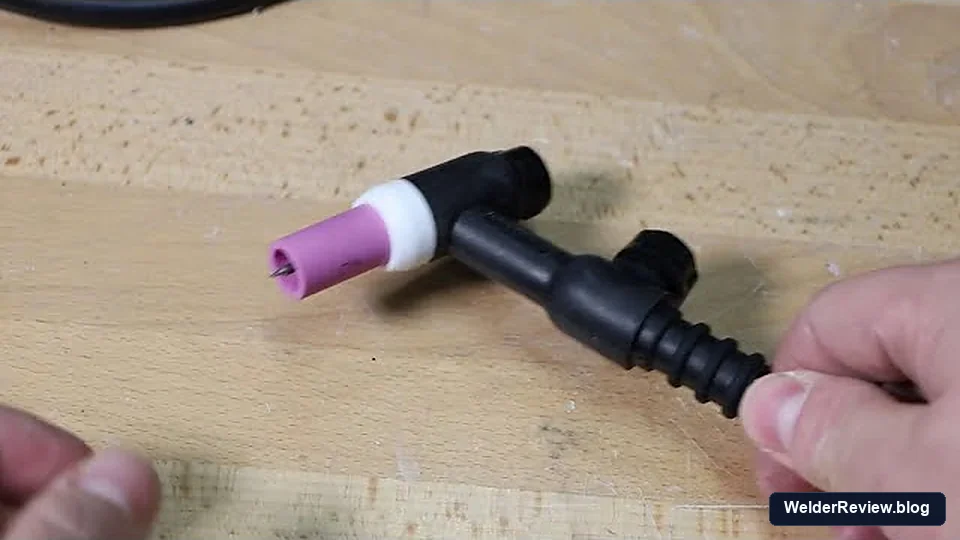
Gas tungsten arc welding requires careful prep, which you can learn in our guide on tungsten sharpening. A proper non-consumable electrode ensures stable arcs and prevents weld contamination.
Shielded metal arc welding relies on a constant current power source that drops voltage as arc length changes, ensuring stable heat input during manual electrode manipulation.
Gas tungsten arc welding utilizes a high-frequency start or scratch-start mechanism paired with a constant current output, delivering precise arc control via a non-consumable tungsten electrode.
Circuit topologies in modern inverters reduce transformer weight while improving duty cycle ratings, allowing both processes to operate efficiently on standard single-phase or three-phase workshop supply lines.
- Consumable flux coating creates protective shielding gas automatically.
- Non-consumable tungsten requires external inert gas delivery lines.
- Constant current output curves ensure stable arc voltage drops.
Power Source Architecture
Modern power units incorporate advanced inverter technology to reduce overall weight. These solid-state circuits regulate electrical output rapidly for consistent arc performance.
Older transformer models rely on heavy copper windings for current reduction. While bulky, these traditional machines offer unmatched resilience against extreme thermal overloads.
- Inverter units provide lightweight portability for field technicians.
- Transformer designs deliver legendary longevity in fixed workshops.
Real-World Performance and Material Versatility
Field performance evaluations demonstrate clear advantages for manual arc systems on uncleaned metals. The aggressive arc action burns right through heavy rust, mill scale, and paint.
Precision testing reveals that tungsten inert gas setups excel on ultra-thin sheet metals. Welders achieve microscopic control over heat input, preventing burn-through on delicate aerospace alloys.
Structural fabricators rely on shielded metal procedures for thick carbon steel joints. Deep penetration profiles guarantee structural integrity under immense mechanical stress and load requirements.
Stick welding excels on thick, rusty, or painted structural steel because the flux coating generates protective gases and slag coverage that actively scavenges surface impurities during fusion.
TIG welding provides superior control when joining thin sheets, and selecting the right hardware from our best cup for tig welding aluminum roundup ensures optimal gas coverage for clean aluminum joints.
Joint configurations dictate process selection, as fillet welds on heavy carbon steel favor stick deposition rates, whereas precision aerospace tubing demands the clean, spatter-free nature of tungsten arcs.
- Manual arc systems penetrate heavy rust and contaminated surfaces easily.
- Inert gas procedures prevent distortion on thin aluminum sheets.
- Deep weld profiles ensure maximum joint strength in structural beams.
Alloy Compatibility
Carbon steels and structural irons respond exceptionally well to standard cellulose electrodes. Specialized alloy rods permit maintenance welding on cast iron components securely.
Non-ferrous materials like titanium and magnesium demand the precise atmosphere of inert gas protection. Attempting these reactive metals with manual arc rods causes immediate embrittlement.
- Cellulose electrodes handle carbon steels and cast iron repairs.
- Reactive titanium requires absolute inert gas shielding environments.
Operational Setup and Ergonomic Footprint
Setting up a manual arc station takes only minutes in remote locations. Operators simply attach the work clamp, insert an electrode into the holder, and strike the arc.
In contrast, preparing an inert gas station involves multiple connection steps. Technicians must configure gas regulators, purge lines, and shape tungsten electrodes precisely using grinders.
Ergonomic demands differ dramatically between these two common metaljoining procedures. Holding a heavy electrode holder differs vastly from balancing a delicate tig torch while modulating foot pedals.
Setting up a stick machine requires connecting the electrode holder and work clamp, managing cable resistance, and maintaining a strict arc gap to prevent electrode sticking.
TIG configurations demand careful management of pure argon shielding gas flow rates, tungsten grind geometry, and a foot pedal amperage control for optimal puddle manipulation.
Operator fatigue varies between methods, while selecting an efficient unit from our best tig welding machine for aluminum guide helps streamline complex AC projects and maintain steady arc stability.
- Minimal setup components allow rapid deployment on remote jobsites.
- Inert gas configurations require precise flow meters and tungsten preparation.
- Foot pedal amperage control enhances hands-free operational flexibility.
Consumable Preparation Standards
Electrode preparation remains minimal because flux-coated rods come ready for immediate consumption. Operators only need to verify dry storage conditions to prevent moisture absorption.
Tungsten preparation demands strict adherence to longitudinal grinding specifications. Improperly ground tips cause arc wander and unstable puddle dynamics during critical passes.
- Dry electrode storage prevents porous weld defects during execution.
- Longitudinal tungsten grinding ensures directional arc stability.
Maintenance, Efficiency, and Long-Term Longevity
Preventive maintenance routines keep industrial equipment operating at peak engineering efficiency. Routine inspections protect electrical connections from corrosion and excessive thermal degradation over time.
Efficiency metrics highlight significant differences in post-weld cleanup times. Manual arc processes leave a hard slag layer that requires chipping and wire brushing before painting.
Inert gas procedures produce exceptionally clean weld beads requiring zero slag removal. This efficiency gain speeds up multi-pass fabrication sequences in high-production manufacturing plants significantly.
Routine maintenance for stick units involves blowing out accumulated conductive dust from internal cooling fans and inspecting electrode holders for worn copper jaws.
TIG torches require periodic replacement of collets, gas lenses, and back caps to maintain laminar shielding gas flow and prevent tungsten oxidation inside the torch head.
Electrical efficiency remains high in modern inverter-based systems, reducing idle power consumption and extending the operational lifespan of internal transformer components under heavy loads.
- Routine terminal inspections prevent unexpected electrical resistance failures.
- Post-weld slag removal demands significant manual labor time.
- Inert gas procedures eliminate post-weld chipping and cleaning steps.
Consumable Cost Management
Managing consumable budgets requires careful tracking of electrode stub loss rates. Operators must discard short stubs, creating measurable material waste during high-volume production shifts.
Gas shielding expenses add recurring operational costs to inert gas fabrication facilities. Cylinder rentals and argon purity requirements demand strict inventory management protocols daily.
- Electrode stub waste increases material costs on large projects.
- Shielding gas cylinder management impacts overall operating budgets.
Environmental Resilience and Jobsite Suitability
Jobsite conditions frequently challenge sensitive electronic components found in modern welding power sources. Heavy dust, moisture, and extreme temperatures test machine resilience during demanding construction projects.
Manual arc equipment thrives in adverse weather conditions including high wind environments. Because the flux generates its own protective gas envelope, breezes cannot easily blow it away.
Inert gas setups suffer catastrophic shielding failures when exposed to moderate outdoor drafts. Wind currents displace the argon blanket, instantly causing severe porosity throughout the weld zone.
Jobsite environments with high winds disrupt shielding gas, making stick welding ideal for outdoor repairs, especially when using options featured in our best welding stick for thin metal review list.
TIG welding is strictly restricted to indoor fabrication bays or wind-protected enclosures because even minor drafts will displace the argon and cause porosity defects in the weld.
Moisture management is critical for low-hydrogen stick electrodes, which require dedicated electrode ovens to prevent hydrogen-induced cracking in high-strength structural carbon steels.
- Robust machine housings withstand harsh construction site elements.
- Integrated flux shielding resists moderate outdoor wind disruptions.
- External gas shields require windbreaks during outdoor fabrication.
Mobile Field Operations
Field service trucks equipped with engine-driven generators rely exclusively on manual arc systems. Their simplicity and reliability guarantee dependable repairs miles away from electrical grid power.
Transporting pressurized gas cylinders to remote locations creates logistical safety challenges. Technicians must secure bottles properly to comply with strict Department of Transportation regulations.
- Engine-driven generators pair seamlessly with manual arc units.
- Transporting gas cylinders requires strict safety compliance measures.
Safety Protocols and Operator Health Standards
Industrial safety standards mandate proper ventilation when working with hazardous welding fumes. Manual arc coatings release complex metal oxide fumes requiring certified respirators during indoor operations.
High-frequency arc starters present unique electrical safety considerations for machine operators. Maintaining insulation integrity prevents accidental shock hazards during high-voltage arc initiation sequences.
Ultraviolet radiation emitted by inert gas arcs is exceptionally intense due to the bare tungsten. Operators must utilize darker shade lenses and complete skin coverage to prevent burns.
Ultraviolet radiation emitted during TIG welding is intensely high due to the bare arc, requiring operators to wear tightly woven leather apparel and auto-darkening helmets with proper shade ratings.
Fume extraction is mandatory for both processes, particularly when stick welding galvanized metals or stainless steels that release hazardous hexavalent chromium and zinc oxide particulates.
Electrical safety standards mandate dry work areas, proper grounding clamps, and inspection of welding cables for insulation cracks to prevent arc flash or severe shock hazards.
- Certified respirators protect against hazardous flux coating fumes.
- High-frequency starters demand rigorous electrical insulation checks.
- Intense ultraviolet emissions require upgraded personal protective equipment.
Personal Protective Equipment
Heavy leather garments protect workers from hot spatter generated during manual arc operations. Protective sleeves and heavy gloves prevent painful burns from falling molten metal droplets.
Precision fabrication requires flexible leather gloves for superior torch manipulation. Operators balance protection levels against dexterity needs when assembling intricate tubular metal frameworks.
- Heavy leather garments shield skin from aggressive weld spatter.
- Flexible gloves maintain necessary dexterity for intricate torch control.
Determining the Ideal Setup for Your Workshop
Selecting the correct welding process depends on your specific manufacturing requirements. Analyze your typical material thicknesses, joint configurations, and operating environments before making a final investment decision.
Budgetary constraints and skill development timelines also influence optimal equipment selection. Beginners often master manual arc basics faster, while precision inert gas work demands advanced motor skills.
Equipping a versatile shop often requires maintaining both machine types. Combining these complementary technologies ensures your facility can handle everything from structural beams to fine aluminum artistry.
Choosing between these methods depends heavily on your primary project scope, material thicknesses, and whether you prioritize rapid deposition or absolute metallurgical precision.
Fabrication shops handling diverse alloy pipelines and architectural metals will benefit from investing in a versatile AC/DC multiprocess machine with high-frequency capabilities.
Evaluate your workshop infrastructure, available circuit amperage, and gas supply logistics before purchasing equipment to ensure seamless integration into your daily workflow.
- Evaluate material thicknesses and workshop environments before purchasing.
- Consider operator skill levels and training timelines carefully.
- Maintaining both technologies maximizes overall workshop fabrication capabilities.
Return on Investment Analysis
Calculating equipment return on investment involves analyzing expected project types and labor rates. Heavy structural fabrication shops amortize manual arc machines rapidly through rugged dependability.
Precision aerospace facilities recover equipment expenses through superior cosmetic finishes and minimized rework rates. Matching machine capabilities to your market niche guarantees long-term operational profitability.
- Structural shops achieve rapid payback with rugged manual arc units.
- Precision facilities profit through minimized rework and superior finishes.
Frequently Asked Questions
Can I weld aluminum using standard manual arc equipment?
Specialized aluminum electrodes exist, but results are poor compared to inert gas methods. For quality aluminum work, you must utilize TIG welding equipment.
Why does my manual arc stick constantly during startup?
Sticking usually indicates insufficient amperage settings or improper electrode angle technique. Adjusting your machine output provides the necessary arc force for clean ignition.
Is it possible to weld outdoors with inert gas systems?
Outdoor inert gas welding requires extensive windbreaks to protect the shielding envelope. Without adequate wind protection, you will experience severe porosity defects immediately.
What maintenance do inert gas torches require?
Regular upkeep involves cleaning collet bodies and replacing worn ceramic cups. Keeping your tungsten electrode properly shaped ensures a stable arc cone.
Which process is better suited for absolute beginners?
Manual arc systems offer simpler initial setup requirements for learning basic metal joining. However, mastering precise hand coordination takes dedicated practice with both processes.