Miller Multimatic 235 vs 220 Comparison
Examining two powerhouse multi-process welders. We evaluate duty cycles, arc characteristics, and shop ergonomics to guide your fabrication setup.

Choose the Multimatic 235 for heavy fabrication and higher amperage thresholds. Opt for the Multimatic 220 if dual-voltage auto-set versatility matters more.
Compare all top models in our Best Welder: Top Home Shop & Jobsite Picks Tested.
Side-by-Side Breakdown
| Criteria | Miller Multimatic 235 | Miller Multimatic 220 | Edge |
|---|---|---|---|
| Core Design / Build | Heavy-duty industrial cabinet with dual-cylinder rack. | Compact dual-gas solenoid system with lighter chassis. | Miller Multimatic 235 |
| Real-World Performance | Higher amperage ceiling reaching 235 amps max output. | Maxes out at 220 amps with excellent aluminum MIG response. | Miller Multimatic 235 |
| Ease of Setup & Use | Advanced parameters with manual overrides and digital menus. | Patented Auto-Set Elite technology for rapid configuration. | Miller Multimatic 220 |
| Durability & Reliability | Robust industrial cooling fans and reinforced internal housing. | Standard workshop protection with dependable solid-state boards. | Miller Multimatic 235 |
| Efficiency / Operating Footprint | Draws more primary power under heavy industrial loads. | Optimized multi-voltage plug switching for flexible power feeds. | Miller Multimatic 220 |
| Maintenance Requirements | Standard wire drive gear greasing and terminal inspections. | Routine drive roll cleaning and regular cable integrity checks. | Tie |
| Best Ideal Use Case | Heavy production fabrication and thicker structural steel joints. | Mobile repair trucks, maintenance shops, and lighter fabrication. | Split |
Core Design and Engineering Differences
Evaluating modern multi-process welding machines requires looking closely at internal architecture. The Multimatic 235 is engineered specifically for heavy production workshops requiring sustained duty cycles and continuous operation.
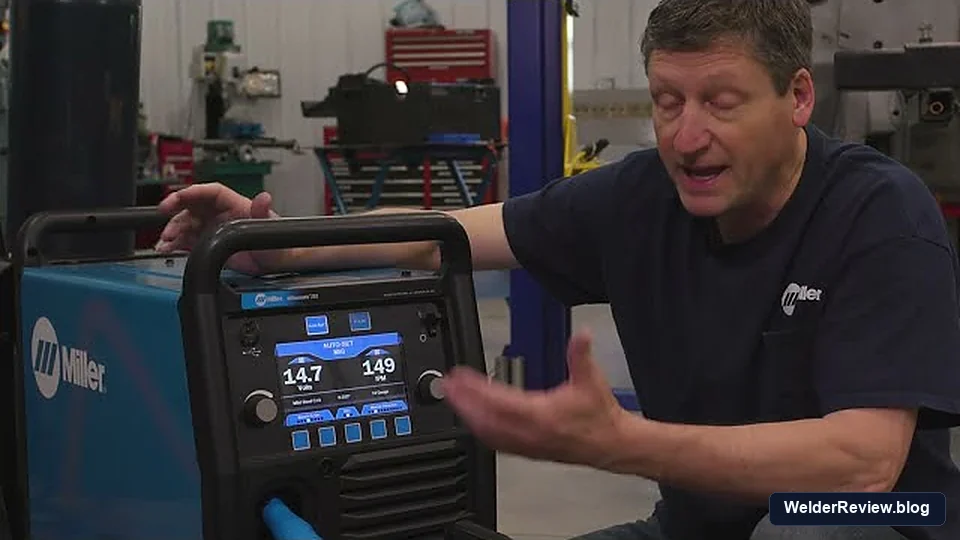
As noted in our Miller Electric Multimatic 220 AC/DC review, this unit prioritizes multi-voltage flexibility and streamlined portability. Its internal layout accommodates dual gas inputs seamlessly.
Both units feature robust digital interfaces, but their target audiences shape their physical dimensions. Understanding these foundational layouts helps fabricators match machine capabilities directly to standard daily workloads.
The Miller Multimatic 235 utilizes a heavier chassis architecture compared to its predecessor, prioritizing industrial-grade structural integrity over extreme weight savings. Internal component layout optimizes airflow for extended welding sessions.
Conversely, the Multimatic 220 features a more compact, multi-voltage plug design that facilitates rapid transitions between 120V and 240V circuits. Engineers built this housing specifically for mobile repair technicians needing agility.
Cooling fan placement also differs significantly between these models. The 235 employs a Fan-On-Demand technology that reduces dust ingestion, whereas the 220 relies on continuous cooling during active arc operations.
- Heavy-gauge steel cabinet construction on the 235 model
- Dual gas solenoid setup integrated into the 220 platform
- Advanced cooling fan management systems across both units
Chassis and Physical Footprint
Workshop floor space remains a premium commodity for most professional metalworkers. The physical footprint of the Multimatic 235 demands a dedicated cart or permanent workstation installation.
Meanwhile, the smaller profile of the Multimatic 220 accommodates mobile service trucks and cramped garage corners easily without sacrificing structural integrity or internal component protection.
- Larger running gear required for the heavier 235 platform
- Lighter chassis weight improves mobility for the 220 unit
Real-World Performance Comparison
MIG, TIG, and stick welding modes behave differently under varying electrical loads. The Multimatic 235 delivers superior arc stability when pushing thick plate materials and demanding structural carbon steel.
Operating at maximum output reveals distinct operational boundaries between these two machines. The larger unit maintains arc consistency longer before triggering thermal overload protection during extended fabrication runs.
Aluminum fabrication yields clean beads on both systems, but pulsed MIG options differ significantly. Operators must weigh their typical material thickness against the advertised amperage limits of each machine.
When depositing multi-pass welds on structural steel, the Multimatic 235 maintains arc stability remarkably well. Its higher amperage ceiling easily handles thicker plates without experiencing thermal sag or voltage drop.
Our Miller Multimatic 220 AC/DC review highlights how this model excels in lighter fabrication environments, delivering exceptionally smooth short-circuit MIG arcs. Aluminum TIG welding on thin automotive components proves effortless.
Arc control parameters allow operators to fine-tune inductance and arc sharpness. Experienced fabricators will notice the 235 offers broader parameter windows for heavy wire diameters, while the 220 favors precision sheet metal work.
- Higher maximum amperage ceiling on the 235 model
- Smooth aluminum arc transfer on both power sources
- Consistent puddle control during standard MIG operations
Arc Characteristics and Deposition Rates
Deposition rates dictate overall shop productivity during large manufacturing contracts. The Multimatic 235 handles larger diameter flux-cored wires effectively for rapid structural metal assembly tasks.
The Multimatic 220 excels in precision sheet metal applications where heat input control prevents burn-through on thin automotive body panels and architectural stainless steel components.
- Superior deposition speed for heavy wire diameters on the 235
- Precision heat regulation for thin-gauge materials on the 220
Power Delivery and Duty Cycle Analysis
Electrical efficiency directly impacts operational costs and project completion timelines. The Multimatic 235 demands robust primary input power to achieve its highest rated thermal output thresholds.
Facility managers must verify breaker sizes before connecting these units to existing workshop electrical panels. Inadequate supply lines will limit duty cycles and reduce overall welding performance significantly.
Thermal protection mechanisms guard internal rectifiers against catastrophic failure during prolonged heavy industrial tasks. Both machines incorporate reliable cooling cycles to restore operational readiness rapidly.
Duty cycle ratings heavily favor the Multimatic 235, which delivers 30 percent at 200 amps when operating on single-phase input power. This rating allows continuous heavy-duty workshop fabrication without unexpected thermal shutdowns.
The Multimatic 220 provides a more modest duty cycle, rated at 20 percent at 150 amps on standard 240V circuits. Operators must respect these thermal limits during prolonged structural steel assembly tasks.
Transformer and inverter efficiency also impacts power consumption under heavy loads. Both units feature Power Factor Correction circuitry, ensuring maximum electrical draw efficiency regardless of input voltage fluctuations.
- Strict primary amperage requirements for peak 235 output
- Efficient power conversion across multiple input voltages
- Reliable thermal overload protection circuits built in
Input Voltage Adaptability
Multi-voltage plugs allow fabricators to transition between residential and industrial power sources effortlessly. The Multimatic 220 simplifies this process with automatic voltage detection technology.
Operators plug the machine into available outlets without manually changing internal links or wiring harnesses, saving valuable setup time on remote job sites.
- Automatic input voltage sensing on the 220 model
- Manual configuration requirements for heavy industrial feeds
Setup, Controls, and User Interface
Modern digital interfaces reduce operator error during critical joint preparation phases. The Auto-Set Elite feature on the 220 model guides inexperienced users through rapid parameter selections successfully.
Experienced fabricators often prefer the manual parameter control options found on the Multimatic 235 for fine-tuning arc dynamics to match specific proprietary welding procedures.
Clear LCD screens display voltage, wire feed speed, and amperage clearly under bright shop lighting conditions. Ergonomic control knobs provide tactile feedback even when operators wear heavy welding gloves.
Navigating the interface on the Multimatic 235 is streamlined through a large LCD screen and dedicated soft keys. Operators select material thickness and wire diameter quickly to automatically generate recommended parameters.
As detailed in our Miller Multimatic 220 review, this machine utilizes intuitive Auto-Set Elite technology to simplify multi-process configuration. Users switch between MIG, TIG, and stick modes with minimal menu navigation.
Advanced users can easily override preset values to manually dial in exact voltage and wire feed speeds. Both machines store custom memory locations, saving valuable time during repetitive production welding jobs.
- Simplified digital menus for rapid parameter adjustments
- Detailed manual override capabilities for professional welders
- High-contrast display screens visible in sunlight
Memory Storage and Program Recall
Saving preferred welding parameters eliminates repetitive data entry during production runs. Both machines offer memory channels to store custom voltage and wire feed configurations safely.
Operators switch between distinct material thicknesses and shielding gases instantly by recalling saved programs directly from the primary digital control panel interface.
- Quick program recall reduces job setup downtime
- Custom memory slots store specialized welding profiles
Maintenance, Efficiency and Longevity
Preventative maintenance ensures long-term operational reliability in dusty fabrication environments. Routine cleaning of the drive roll assembly prevents wire feeding bottlenecks and erratic arc behavior.
Internal components require periodic inspection for dust accumulation and loose electrical connections. Using compressed air carefully clears debris from sensitive circuit boards and cooling fan housings.
Investing time in scheduled upkeep protects your upfront equipment purchase and minimizes unexpected downtime during urgent manufacturing schedules.
Routine maintenance on the Multimatic 235 requires periodic blowing out of the heavy-duty wire drive compartment. Sealed internal electronics protect critical circuit boards from conductive metallic dust generated in busy fabrication shops.
The Multimatic 220 features a dual-cylinder rack design that requires occasional inspection of gas solenoid valves. Keeping the quick-release drive rolls clean ensures consistent wire feeding and prevents birdnesting issues.
Component longevity depends heavily on maintaining proper input voltage and avoiding excessive duty cycle overloads. Investing time in regular preventative upkeep significantly extends the operational lifespan of both power sources.
- Regular inspection of internal wire drive components
- Dust removal from cooling fans and electrical boards
- Scheduled contact tip and nozzle replacements
Consumable Wear and Replacement
Consumable lifespan varies depending on duty cycle intensity and shielding gas purity. Standard contact tips and nozzles wear out faster during high-amperage structural welding operations.
Keeping adequate replacement parts stocked in your workshop prevents frustrating delays when finishing critical customer orders under tight deadlines.
- Frequent consumable checks ensure stable arc transfer
- Stocking backup contact tips avoids project delays
Portability and Workshop Ergonomics
Transporting welding equipment between jobsites demands thoughtful ergonomic design considerations. The compact nature of the Multimatic 220 allows single-person loading into service truck beds.
Conversely, moving the heavier Multimatic 235 typically requires a dedicated wheeled cart and flat workshop flooring to ensure safe handling across the facility.
Cable management hooks and torch holders keep workspaces organized and reduce tripping hazards around busy industrial fabrication floors.
Unlike the smaller unit covered in our Miller Multimatic 215 review, the Multimatic 235 weighs considerably more and suits a dedicated workshop cart. Its sturdy lift hooks facilitate safe overhead crane rigging.
The Multimatic 220 shines in portability, featuring an integrated handle design and manageable overall weight. Field service technicians can easily load this machine into a service truck for remote repair calls.
Ergonomic cable management solutions help keep workspaces organized and safe from tripping hazards. Both units accept standard tweco-style gun connections, ensuring compatibility with widely available replacement torch consumables.
- Ergonomic handles simplify lifting smaller machine frames
- Dedicated transport carts needed for heavy equipment
- Integrated cable hangers maintain clean floor spaces
Torch Design and Cable Reach
MIG gun and TIG torch flexibility influences overall welding comfort during extended fabrication shifts. Quality cables reduce hand fatigue and improve torch maneuverability around complex joints.
Properly rated consumables prevent excessive heat buildup in the torch handle during high-amperage welding sequences.
- Flexible torch leads improve operator comfort
- Proper thermal ratings prevent handle overheating
Which Option Fits Your Setup
Selecting the ideal welding machine depends on your primary material thicknesses and mobility needs. Heavy structural fabricators will benefit immensely from the increased power of the Multimatic 235.
Maintenance departments and mobile repair technicians should prioritize the versatile dual-voltage features of the Multimatic 220 for everyday tasks.
Evaluate your workshop electrical supply and typical project demands carefully before finalizing your purchasing decision to ensure long-term satisfaction.
Choosing between these systems depends entirely on your primary material thickness and mobility requirements. Heavy fabrication shops should select the Multimatic 235 for its superior amperage output and extended duty cycles.
Mobile contractors, maintenance crews, and hobbyists will find the Multimatic 220 offers unbeatable versatility. Its dual-voltage capability handles diverse field repair tasks without needing dedicated industrial power drops.
Evaluating your typical daily workload prevents premature equipment burnout and ensures optimal productivity. Match your budget and power availability carefully against these technical specifications before making a final purchasing decision.
- Match machine amperage limits to maximum material thickness
- Verify workshop circuit breakers support your chosen welder
- Consider portability requirements for mobile repair work
Making the Final Purchasing Decision
Balancing upfront investment against long-term productivity ensures maximum value for your shop. Assess your current workload and future expansion plans realistically.
Choosing the right tool guarantees reliable performance and exceptional weld quality across every fabrication project you undertake.
- Analyze current and future fabrication requirements
- Prioritize reliability and ease of daily operation
Frequently Asked Questions
Can both welders run on standard household electrical outlets?
The Multimatic 220 operates easily on standard residential circuits using auto-detect plugs. The heavier 235 model requires dedicated industrial power lines for peak performance.
Which machine is better suited for aluminum fabrication tasks?
Both units handle aluminum effectively when paired with spool guns or proper TIG setups. The larger 235 model offers extended duty cycles for thicker aluminum plates.
Do these multi-process machines support stick welding electrodes?
Yes, both welders provide dedicated stick welding modes with excellent arc control. They handle standard electrode classifications smoothly for general maintenance and repair work.
What shielding gases are recommended for MIG welding modes?
Standard argon and carbon dioxide gas mixtures work best for carbon steel applications. Pure argon is necessary when switching to aluminum MIG or TIG processes.
How do I update the software on these digital welding machines?
Software updates are managed through integrated USB ports located on the control panels. Always consult your official user manual before initiating any firmware update sequences.