Mig vs Tig Vs Flux Core: Ultimate Comparison Guide
Choosing the correct welding process dictates your shop's efficiency and structural integrity. Understanding these distinct methods ensures superior project reliability.

Choose MIG for rapid fabrication and structural productivity in standard shop environments. Select TIG or flux-core depending on whether you prioritize absolute precision or outdoor portability.
Compare all top models in our Best Welder: Top Home Shop & Jobsite Picks Tested.
Side-by-Side Breakdown
| Criteria | Mig | Tig Vs Flux | Edge |
|---|---|---|---|
| Core Design / Build | Continuous wire feed with external gas | Tungsten arc or self-shielding flux | MIG |
| Real-World Performance | Exceptional speed on carbon steel plates | Unmatched control on thin metals or outdoors | TIG / Flux |
| Ease of Setup & Use | Very forgiving for beginner fabricators | Steep learning curve and complex variables | MIG |
| Durability & Reliability | High structural integrity in clean shops | Superior deep penetration or clean aesthetics | TIG |
| Efficiency / Operating Footprint | High deposition rate with minimal cleanup | Slower deposition requiring meticulous prep work | MIG |
| Maintenance Requirements | Regular contact tip and liner replacement | Tungsten grinding and torch cleaning upkeep | MIG |
| Best Ideal Use Case | Production automotive and general fabrication | Motorsports, aerospace, or windy outdoor repairs | TIG / Flux |
Core Design and Engineering Differences
Metal inert gas welding relies on a continuously fed wire electrode paired with an external shielding gas bottle. This continuous feed mechanism maximizes production speed across various carbon steel thicknesses.
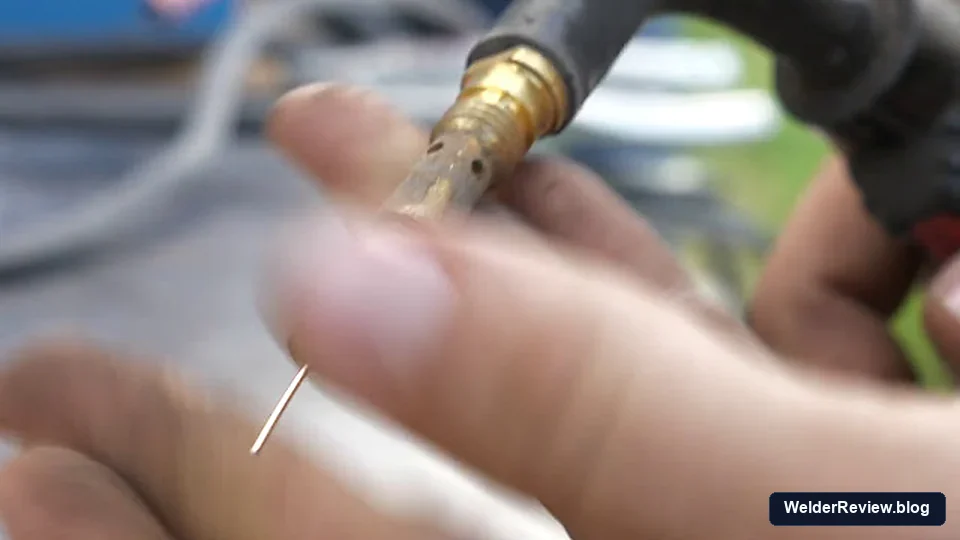
Tungsten inert gas systems utilize a non-consumable electrode to establish the electric arc. Operators manually add filler metal while managing a separate torch and shielding gas flow.
Flux-cored arc welding removes the external gas cylinder requirement by using a specialized tubular wire. This internal flux core vaporizes during combustion to create a protective gaseous shield.
When setting up your shop, exploring options like our best mig tig plasma combo guide helps you compare constant-voltage MIG machines with versatile multi-process units. This ensures reliable wire feeding and stable operational parameters.
TIG systems utilize a constant-current output designed to resist voltage changes. Operators manually feed filler rod into a non-consumable tungsten electrode pool, demanding exceptional hand-eye coordination and dual-handed dexterity.
Flux-cored arc welding mirrors MIG electrical designs but eliminates external shielding gases. Specially formulated flux inside the tubular wire vaporizes, producing a protective gaseous envelope and a slag covering layer.
- Continuous wire feeding enhances overall shop productivity.
- Non-consumable tungsten demands precise manual filler rod control.
- Tubular flux eliminates external gas bottle storage needs.
Power Source Architecture
Constant voltage power sources drive wire-feed systems to stabilize arc length automatically. Changes in stick-out distance dynamically adjust amperage to maintain a consistent weld pool.
Constant current power supplies dominate tungsten-based setups to maintain stable amperage output regardless of arc length fluctuations. This architecture prevents tungsten meltdown during delicate operations.
- Constant voltage stabilizes wire-feed operations.
- Constant current protects tungsten electrodes.
Real-World Performance and Material Compatibility
Performance benchmarks reveal distinct operational boundaries when comparing these three foundational welding processes across different shop applications. Selecting the right technique directly impacts your final product quality.
Reviewing our best beginner mig welders selection helps fabricators choose systems that deliver rapid deposition rates on steel and aluminum while handling moderate joint fit-up gaps effectively during daily shop fabrication tasks.
TIG provides absolute control over the molten puddle, making it the gold standard for stainless steel and exotic alloys. Flux-core counters this by burning hot and deep through rusty metals.
MIG excels on carbon steel fabrication shops requiring high deposition rates. However, achieving deep penetration on heavy structural plate demands proper joint beveling and adequate amperage output from your machine.
TIG welding dominates exotic alloy applications like aerospace titanium and thin-wall stainless steel tubing. The precise heat input control prevents burn-through while delivering metallurgically sound joints free of splatter.
Outdoor construction sites benefit immensely from flux-cored setups because wind disperses shielding gas. Dual-shield variations require gas, but self-shielded variants punch through rust and mill scale without failing inspection.
- MIG delivers fast deposition on mild steel plates.
- TIG provides absolute control on thin exotic metals.
- Flux-core penetrates through dirty or rusted surfaces.
Handling Sheet Metal versus Structural Plate
Thin sheet metal projects require the delicate heat input control characteristic of advanced tungsten processes. High-heat wire processes frequently burn through thin automotive body panels without precise tuning.
Thick structural plates demand the deep penetration and high deposition rates offered by continuous wire feeds. Industrial fabricators rely on these robust systems to complete heavy projects quickly.
- Tungsten setups prevent burn-through on thin sheet stock.
- Wire setups handle heavy structural plate efficiently.
Maintenance, Efficiency and Machine Longevity
Routine equipment upkeep ensures long-term reliability and minimizes costly downtime in busy fabrication facilities. Neglecting basic maintenance tasks will quickly degrade weld quality and equipment lifespan.
Wire-feed machines require frequent inspections of drive rolls, contact tips, and gun liners to prevent bird-nesting. Keeping these internal pathways clean ensures smooth wire delivery during long production runs.
Tungsten torches demand meticulous care regarding collet bodies and gas lenses to maintain laminar gas flow. Operators must also grind contaminated tungsten electrodes frequently to maintain arc stability.
Consulting our best budget mig welder guide highlights why regular drive roll inspection prevents wire feeding hesitation inside cabinets, helping maintain consistent electrical transfer and preventing erratic arc behaviors during production.
TIG torches require diligent maintenance of tungsten electrodes and high-frequency points. Proper chemical grinding using dedicated wheels ensures a focused arc cone rather than a wandering, contaminated welding discharge.
Flux-cored welding generates heavy smoke particulate that quickly clogs internal cooling fans. Routine compressed air blow-outs protect transformer windings from overheating and extend the overall operational lifespan of your equipment.
- Inspect drive rolls and contact tips regularly.
- Grind contaminated tungsten electrodes to maintain arcs.
- Keep internal wire liners clean to stop tangles.
Consumable Lifecycle Management
Managing consumable inventory prevents unexpected work stoppages during critical project phases. Keeping spare contact tips and nozzles on hand is essential for continuous shop operations.
Tungsten preservation involves using proper grinding techniques to shape the electrode tip parallel to the grain. This simple step extends electrode life and focuses the welding arc.
- Stock backup contact tips and nozzles.
- Grind tungsten tips parallel to grain lines.
Setup Complexity and Operational Footprint
Shop footprint and setup time heavily influence which welding process best fits your daily workflow. Complex gas plumbing and electrical requirements dictate where and how you deploy your equipment.
Wire-feed systems feature a moderate setup footprint involving drive tension adjustments and gas regulator calibration. Once dialed in, operators can start welding with minimal pre-joint preparation steps.
Tungsten machines require extensive prep work, including precise metal cleaning and tungsten shaping. The inclusion of foot pedals and gas hoses creates a larger, more cluttered workspace.
MIG machines offer fast transitions between different wire diameters and shielding gas blends. Setting up involves matching voltage parameters to wire speed charts for optimal puddle fluidity without excessive spatter generation.
Reviewing our best aluminium tig welder list shows why TIG workstations demand a larger spatial footprint, requiring careful torch assembly and precise gas flow rates measured in cubic feet per hour.
Self-shielded flux-cored operations have the smallest footprint because compressed gas cylinders are entirely omitted. This portability makes field repairs efficient, though operators must manage extensive post-weld cleanup involving stubborn slag removal.
- Wire systems require straightforward gas and tension checks.
- Tungsten setups demand clean metal and pedal routing.
- Flux systems offer portable operation without heavy gas bottles.
Workspace Preparation Requirements
Proper workspace preparation directly determines the final mechanical strength of your finished weld joints. Removing mill scale and grease prevents porosity defects across all three methods.
Self-shielding wire tolerates minor surface contaminants better than gas-shielded alternatives, reducing cleaning times. However, removing heavy rust remains mandatory for structural integrity.
- Remove mill scale to prevent weld porosity.
- Self-shielding wire tolerates minor surface dirt.
Consumable Costs and Shielding Gas Dynamics
Operating expenses accumulate through consumable usage, electricity consumption, and shielding gas cylinder rentals. Analyzing these ongoing costs helps businesses maintain profitable fabrication budgets over time.
External shielding gas mixtures like argon and carbon dioxide add recurring overhead to standard wire operations. Flux-cored alternatives eliminate gas bottle expenses by incorporating the shielding compounds inside the wire.
Tungsten setups consume pure argon gas at higher flow rates to protect hot metal. High-frequency arc starts also draw consistent electrical power during delicate manipulation tasks.
MIG consumables like contact tips and nozzles wear out steadily during high-volume production runs. Shielding gas blends typically rely on argon and carbon dioxide mixes to stabilize the arc transfer characteristics.
TIG operations consume high-purity argon gas alongside specialized tungsten grades like lanthanated or ceriated. Protecting the molten puddle requires adequate post-flow timers to prevent premature tungsten oxidation and contamination issues.
Self-shielded flux-cored wire carries a higher per-pound material expense than standard solid MIG wire. However, eliminating tank rentals and gas delivery fees offsets this cost for intermittent structural fabricators.
- Shielding gas cylinders add recurring rental overhead.
- Flux-cored wire eliminates external gas bottle costs.
- Tungsten operations demand high-purity argon shielding.
Optimizing Gas Flow and Mix Ratios
Selecting the correct gas flow rate prevents atmospheric contamination while avoiding wasteful gas turbulence. Maintaining proper regulator pressure ensures consistent shielding coverage across the weld puddle.
Blended gas ratios improve arc stability and reduce spatter levels during carbon steel fabrication projects. Understanding these chemical interactions optimizes both weld appearance and mechanical performance.
- Adjust flow rates to prevent atmospheric contamination.
- Use gas blends to reduce spatter during fabrication.
Structural Integrity and Weld Bead Aesthetics
Visual appearance and deep structural penetration remain key metrics when evaluating weld quality standards. Different processes yield distinct aesthetic finishes and metallurgical properties under load testing.
Wire-feed methods produce clean, uniform beads with minimal spatter when operating parameters are properly tuned. Operators achieve solid penetration profiles suitable for demanding automotive and structural tasks.
Tungsten systems yield stacked-dime aesthetics that are visually striking and structurally superior for pressure vessels. Flux-cored techniques produce slag layers that require chipping and brushing after cooling.
MIG welding produces uniform, slightly convex weld profiles when parameters are dialed in correctly. Industrial applications rely on proper travel speeds to ensure adequate side-wall fusion without introducing cold lap defects.
TIG delivers unmatched visual appeal characterized by stacked dime weld ripples and narrow heat-affected zones. This structural integrity makes it the mandatory choice for pressure vessel manufacturing and architectural metalwork.
Flux-cored beads feature a rougher exterior appearance covered entirely by a protective slag layer. Breaking away this crust reveals sound structural metal capable of passing rigorous radiographic testing standards.
- Wire methods yield uniform beads with minimal spatter.
- Tungsten delivers stacked-dime aesthetics for pressure vessels.
- Flux-cored welds require post-cooling slag removal.
Evaluating Penetration Profiles
Deep penetration profiles ensure load-bearing joints withstand maximum operational stress without premature mechanical failure. Engineers evaluate fusion depth to certify structural compliance in critical infrastructure applications.
Surface profiling helps technicians identify potential cold lap or undercut issues before final assembly approval. Proper heat input management guarantees uniform root penetration across thick joints.
- Deep penetration ensures high load-bearing capacity.
- Monitor profiles to prevent cold lap defects.
Which Process Fits Your Specific Shop Setup
Matching the welding process to your specific shop requirements maximizes productivity and equipment ROI. Assess your typical project materials before investing in heavy machinery or specialized gases.
Choose wire-feed systems if your daily workload consists of repetitive steel fabrication and rapid assembly tasks. These machines offer the fastest learning curve for beginner shop operators.
Select tungsten or flux-core systems when your projects demand specialized alloy work or outdoor site repairs. Evaluating these operational needs ensures long-term satisfaction with your equipment investment.
Automotive restoration shops typically favor MIG for rapid sheet metal butt joints and patches. Multi-process machines allow technicians to switch between setups when encountering specialized aluminum components requiring alternative shielding gases.
Custom fabrication studios working with delicate stainless steel assemblies benefit most from dedicated TIG units. The precise pedal control prevents distortion on intricate artistic sculptures and sanitary food-grade piping systems.
Heavy equipment repair yards rely on flux-cored processes for quick outdoor structural fixes. Selecting the right wire type ensures dependable strength without letting drafts compromise the welding arc stability.
- Pick wire feeds for rapid steel fabrication work.
- Select tungsten for specialized alloy projects.
- Use flux-core for windy outdoor repair jobs.
Future-Proofing Your Equipment Investment
Investing in multi-process machines allows your shop to adapt as project requirements evolve over time. Versatile equipment handles changing material thicknesses without requiring immediate secondary purchases.
Evaluating power input requirements prevents electrical overloads in residential or light commercial workshop spaces. Always verify circuit breaker capacities before installing heavy industrial welding equipment.
- Multi-process machines adapt to evolving shop demands.
- Verify circuit breaker capacities before installation.
Frequently Asked Questions
Which welding method is best for complete beginners entering the fabrication trade?
Wire-feed welding offers the most forgiving learning curve for beginners. This process lets operators quickly master basic gun control without managing a separate filler rod.
Can I use wire-feed systems outdoors without experiencing shielding gas disruption?
Standard wire setups require external gas that blows away in wind. You must switch to self-shielding flux wire to maintain sound welds during outdoor repair tasks.
Why do professional fabricators prefer tungsten equipment for thin stainless steel?
Tungsten systems provide unmatched heat input control and precision. This targeted focus prevents warping and delivers superior aesthetic finishes on delicate stainless components.
What is the primary maintenance task required for continuous wire machines?
Operators must regularly inspect contact tips and drive rolls. Keeping these components clean prevents wire feeding friction and ensures a stable electric arc.
Do flux-cored welds require extensive cleanup after completing a joint?
Yes, flux-cored welding generates a protective slag layer over the metal. Fabricators must use a chipping hammer and wire brush to remove this residue completely.