MIG vs Stick Welders: Head-to-Head Technical Comparison
Choosing between wire-feed and electrode processes defines your fabrication workflow. We analyze engineering, performance, and maintenance to guide your shop investment.

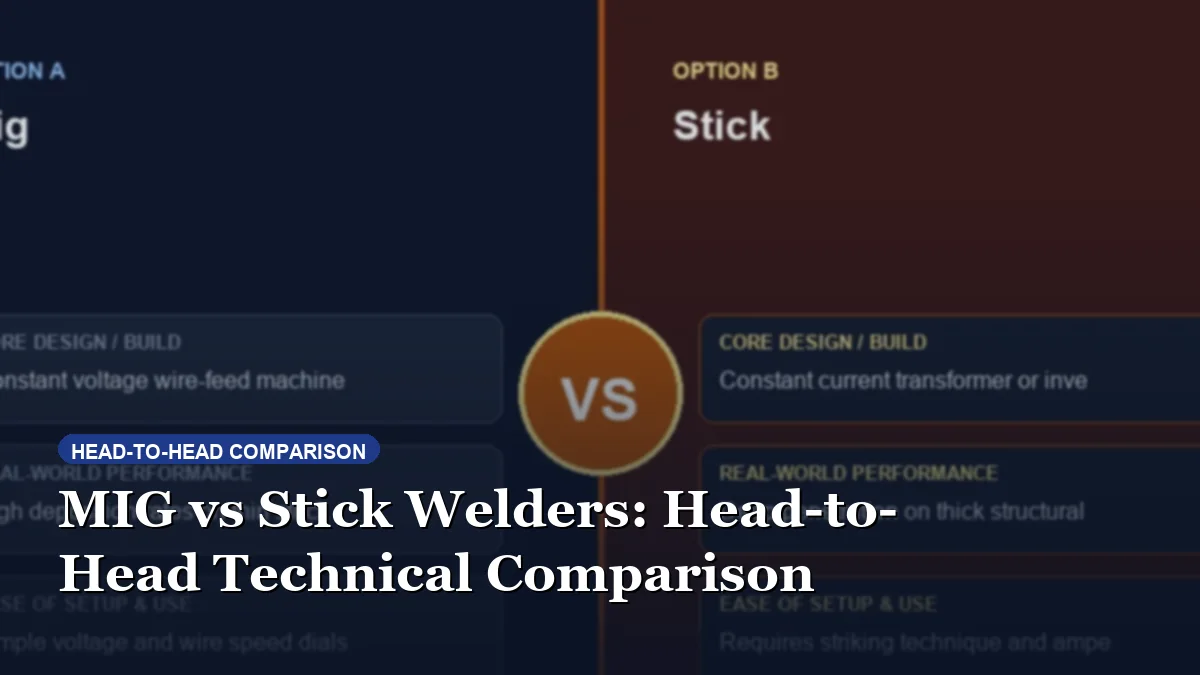
Pick MIG for high-speed clean shop fabrication on sheet metal, or choose Stick for heavy structural outdoor repairs against heavy contaminants.
Compare all top models in our Best Welder: Top Home Shop & Jobsite Picks Tested.
Side-by-Side Breakdown
| Criteria | Mig | Stick | Edge |
|---|---|---|---|
| Core Design / Build | Constant voltage wire-feed machine | Constant current transformer or inverter | MIG |
| Real-World Performance | High deposition rates on thin stock | Deep penetration on thick structural plate | Stick |
| Ease of Setup & Use | Simple voltage and wire speed dials | Requires striking technique and amperage tuning | MIG |
| Durability & Reliability | Sensitive drive rolls and circuit boards | Rugged build handles harsh jobsite drops | Stick |
| Efficiency / Operating Footprint | High duty cycle with continuous wire spool | Intermittent duty due to electrode changes | MIG |
| Maintenance Requirements | Frequent liner, tip, and drive roll cleaning | Minimal upkeep beyond storage and terminal checks | Stick |
| Best Ideal Use Case | Automotive body panels and clean shop builds | Heavy equipment repair and pipeline welding | Split |
Core Design and Engineering Differences
Metal Inert Gas welding relies on a constant voltage power source that automatically matches wire feed speed. This engineering design keeps arc length stable throughout the entire welding sequence.
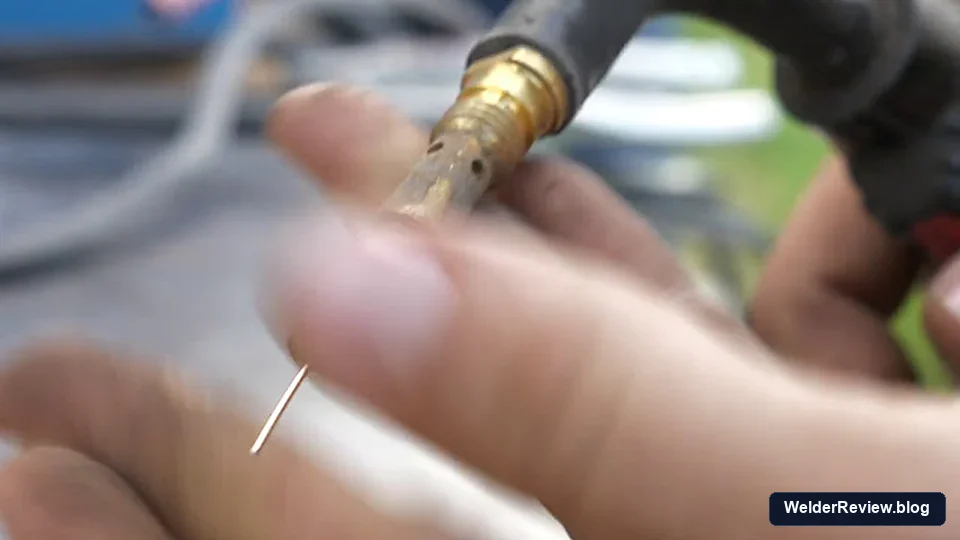
Shielded Metal Arc welding utilizes a constant current power source designed to maintain stable amperage despite fluctuating arc lengths caused by manual hand movements.
Internal transformer layouts differ significantly between these two popular machine classes. Wire-feed units house motorized drive assemblies while electrode systems prioritize heavy-duty copper windings for durability.
MIG systems utilize a continuous wire feed mechanism driven by a constant voltage power source. This architecture delivers predictable deposition rates while maintaining a stable arc length for thin carbon steel fabrication.
Stick welding relies on a constant current transformer or inverter delivering high open-circuit voltage. This engineering approach automatically compensates for varying arc lengths caused by hand movement during heavy structural steel assembly tasks.
When comparing equipment types, checking options like our best beginner mig welders guide helps clarify duty cycle limits. Industrial stick machines typically sustain heavier electrical loads without thermal shutdown during long fabrication runs.
- MIG units feature motorized wire feed mechanisms
- Stick machines use robust constant current inverters
- Arc voltage characteristics govern the overall heat input
- Internal cooling fans manage prolonged thermal duty cycles
Power Sources and Arc Physics
Understanding electrical characteristics helps operators optimize their deposition rates. Wire feed systems maintain steady voltage levels to ensure smooth metal transfer across the welding joint.
Electrode setups vary output amperage dynamically when the operator adjusts arc gap distance. This prevents complete arc outages during manual manipulation of the coated consumable rod.
- Voltage stability controls droplet transfer efficiency
- Amperage adjustments govern ultimate penetration depth
Real-World Performance Comparison
Performance metrics reveal distinct operational advantages across varying material thicknesses. Wire-feed systems excel when joining thin automotive sheet metal without risking immediate burn-through.
Electrode processes deliver superior penetration when fusing thick structural steel plates. Their concentrated arc energy effortlessly melts through heavy mill scale and stubborn surface rust.
Operator skill levels heavily influence overall bead appearance and structural integrity. Wire-feed processes demand less coordination, whereas manual electrode manipulation requires extensive practice.
When joining thin sheet metal under three millimeters, MIG welding minimizes burn-through risks through precise voltage regulation. The shielding gas envelope keeps the weld puddle clean, reducing post-weld cleanup time significantly on production lines.
Heavy plate fabrication demands the deep penetration characteristics inherent to manual arc processes. Reviewing models in our budget stick welder guide helps fabricators secure reliable slag protection and stable performance outdoors.
Dealing with mill scale or rust requires specific machine capabilities. While MIG demands clean base metals for optimal fusion, stick electrodes contain fluxing agents that actively cut through surface impurities during structural repairs.
- Wire-feed systems dominate thin gauge sheet applications
- Electrode rods penetrate thick structural joints effortlessly
- Travel speeds remain faster with continuous wire setups
- Slag removal adds post-weld processing time for electrodes
Material Thickness Limits
Working with thin metals requires precise heat control to prevent warping. Wire-feed processes handle low amperage ranges exceptionally well on panels under one-eighth inch thick.
Heavy structural fabrication demands high thermal input to fuse thick structural members. Electrode machines supply the necessary amperage output to guarantee complete joint fusion.
- Sheet metal fabrication favors low heat inputs
- Structural steel plates require deep joint penetration
Setup Complexity and Usability
Preparing a wire-feed machine involves selecting correct shielding gases, matching drive rolls, and threading wire. This initial setup phase demands careful attention to prevent bird-nesting issues.
Electrode setup remains remarkably straightforward for mobile operators. You simply insert the chosen rod into the stinger holder, attach the ground clamp, and begin striking.
Portability favors compact inverter-based electrode machines on crowded jobsites. Wire systems require bulky gas cylinders that restrict movement around complex workpieces.
Configuring a wire feed setup involves matching wire diameter, drive tension, and shielding gas flow rates. Exploring options in our best budget mig welder roundup helps you achieve a desirable crisp frying sound.
Stick welding offers a much simpler physical setup requiring only an electrode holder, work clamp, and proper rod selection. Beginners often find striking an arc challenging, but machine adjustments remain minimal compared to multi-parameter units.
Ergonomic considerations dictate operator fatigue levels across long shifts. MIG guns are relatively lightweight and directional, whereas heavy electrode holders and thick welding cables can strain wrist muscles during overhead structural welding operations.
- Gas cylinder management complicates mobile wire-feed setups
- Electrode stingers allow fast changes between rod types
- Drive roll tension adjustments prevent wire feeding jams
- Ground clamp placement dictates electrical circuit efficiency
Gas Shielding and Portability
Protecting the molten puddle from atmospheric contamination is critical for sound welds. Wire setups rely on external bottled gases or specialized flux-cored consumable wires.
Electrode coatings decompose during combustion to generate protective gas shielding. This self-shielded capability makes electrode welding ideal for windy outdoor field environments.
- Bottled gases require secure transport and storage
- Coated electrodes eliminate external gas cylinder needs
Maintenance, Efficiency and Longevity
Routine upkeep keeps your fabrication equipment running smoothly over years of heavy usage. Wire-feed systems demand regular cleaning of drive rolls, contact tips, and internal gun liners.
Electrode machines require minimal maintenance beyond keeping internal circuit boards free of conductive metal dust. Their rugged construction withstands harsh shop environments without failing prematurely.
Consumable efficiency heavily impacts operational overhead during prolonged production runs. Continuous wire spools minimize downtime compared to frequently swapping out spent electrode stubs.
Preventative maintenance for MIG equipment centers on the drive roll assembly, contact tips, and gas nozzles. Routine cleaning prevents wire feeding hesitation and maintains steady shielding gas coverage over the hot metal.
Stick machines feature fewer wearing parts, making them exceptionally durable in harsh industrial environments. Finding a reliable unit through our best starter stick welder guide ensures you keep electrode holders clean and fans free of dust.
Electrical efficiency favors modern inverter-based power sources across both categories. Utilizing dual-voltage input capabilities allows technicians to optimize energy consumption while maintaining stable arc characteristics under demanding workshop duty cycles.
- Drive rolls accumulate metallic debris over time
- Contact tips require periodic replacement to maintain contact
- Inverter electronics need clean airflow to prevent overheating
- Electrode stubs generate measurable consumable waste material
Consumables and Machine Care
Preventing wire feed blockages requires inspecting liners for kinks and debris. Replacing worn contact tips ensures consistent electrical arc transfer during long production shifts.
Protecting electrode holders from physical damage guarantees secure electrical connections. Routine terminal inspections prevent unexpected voltage drops during critical structural repairs.
- Liner replacements restore smooth wire feeding performance
- Stinger jaw inspections maintain secure rod retention
Outdoor and Jobsite Adaptability
Environmental conditions dictate which welding process succeeds in the field. Strong gusts of wind easily blow away external shielding gases, causing severe porosity in wire-fed puddles.
Electrode processes thrive in adverse weather conditions because their flux coating generates robust local shielding. Rain, wind, and low ambient temperatures rarely disrupt the protected arc.
Contractors working on remote infrastructure projects almost universally rely on electrode power. Their independence from compressed gas cylinders simplifies logistics on difficult terrain.
Wind represents the primary enemy of gas-shielded MIG welding on remote jobsites. Even moderate gusts displace the shielding gas envelope, causing severe porosity unless operators switch to specialized flux-cored wires without external gas.
Stick welding excels in outdoor environments because the solid flux coating creates its own protective atmosphere. Welders regularly utilize this process on windy construction sites, pipelines, and agricultural equipment repairs without auxiliary wind screens.
Temperature extremes also impact jobsite performance significantly. Electronic MIG control boards require protection from moisture and freezing conditions, whereas heavy-duty transformer stick machines tolerate rugged weather patterns with minimal risk of electronic failure.
- Wind interference destroys external gas shielding integrity
- Flux coatings withstand harsh outdoor weather conditions
- Mobile generators supply reliable power for remote field sites
- Rough terrain favors lightweight and durable inverter units
Wind Resistance and Corrosion
Maintaining weld quality outdoors requires shielding protection against crosswinds. Gas-shielded wire systems struggle outdoors unless paired with specially formulated flux-cored wires.
Dealing with rusty steel surfaces is simpler when using cellulose-based electrode rods. Their aggressive arc action blasts through contaminants that typically cause severe welding defects.
- Crosswinds degrade standard gas shielding effectiveness
- Aggressive arc dynamics penetrate through heavy rust
Cost of Operation and Consumables
Initial equipment investments vary based on included accessories and power capabilities. Wire-feed machines often require purchasing shielding gas cylinders and regulators alongside the base unit.
Electrode systems keep upfront hardware costs relatively low for budget-conscious hobbyists. You only need the power source, cables, electrode holder, and a box of standard rods.
Long-term operational costs depend heavily on consumable prices and deposition rates. Continuous wire spools offer high efficiency, whereas electrode stubs create unavoidable material waste.
Calculating operational expenses requires evaluating consumable replacement intervals. MIG consumables include contact tips, nozzles, liners, and shielding gas cylinders, which incur recurring rental or refill costs that impact overall project budgets steadily.
Stick welding utilizes coated electrodes, electrode holders, and chipping hammers as primary operational supplies. Storing electrodes in climate-controlled cabinets prevents moisture absorption, ensuring consistent arc stability without expensive shielding gas overhead expenses.
Initial equipment acquisition costs vary based on transformer versus inverter technology. While basic MIG packages include guns and regulators, stick machines often require purchasing separate heavy-duty leads and specialized safety gear for operators.
- Shielding gas rentals add recurring operational expenses
- Electrode boxes provide low-cost consumable storage options
- Deposition efficiency favors continuous wire-feed processes
- Stubb loss creates minor material waste with electrodes
Wire Spools versus Electrode Rods
Purchasing bulk wire spools reduces the per-pound cost of filler metal. However, storing opened spools in humid environments can lead to moisture contamination and porosity issues.
Electrode rods require moisture-proof storage containers to keep coatings dry. Wet flux coatings cause erratic arc behavior and substandard mechanical properties in finished welds.
- Bulk wire spools lower consumable metal costs
- Electrode rod ovens prevent moisture absorption issues
Which Option Fits Your Setup
Selecting the right equipment depends entirely on your primary fabrication goals. Automotive hobbyists and fabrication shops benefit immensely from the speed and clean finishes of wire-feed machines.
Agricultural repair technicians and mobile contractors find greater utility in rugged electrode systems. Their ability to handle dirty metal and harsh outdoor weather makes them indispensable.
Evaluate your typical material thicknesses, workspace environment, and power availability before making a final purchasing decision. Balancing these factors ensures long-term satisfaction with your investment.
Selecting the appropriate process depends entirely on your primary materials and working environment. Automotive restoration and sheet metal fabrication demand the clean, fast deposition rates achievable with a well-tuned MIG machine setup.
Heavy equipment maintenance, structural steel erection, and outdoor construction projects necessitate the rugged versatility of stick welding. Evaluating your typical metal thickness will guide your final equipment investment decisions effectively.
Many professional fabricators ultimately incorporate both technologies into their service trucks to handle diverse field demands. Assessing your daily repair scenarios ensures maximum productivity and compliance with industry welding safety standards.
- Shop environments favor high-speed wire-feed systems
- Field repairs demand rugged electrode versatility
- Material thickness dictates necessary power output ratings
- Workspace ventilation influences gas shielding choices
Making the Final Decision
Review your workspace constraints and budget limitations before purchasing equipment. Investing in a versatile multi-process machine can eliminate the dilemma if your shop demands maximum flexibility.
Matching your machine choice to your most frequent projects guarantees optimal productivity. Prioritize ease of use for production work or rugged durability for heavy field repairs.
- Multi-process welders bridge the gap between technologies
- Project requirements should dictate your final hardware choice
Frequently Asked Questions
Can I weld aluminum using standard setup configurations?
Welding aluminum requires specialized spool guns or push-pull systems. Standard wire setups will tangle soft aluminum wires inside the feed liner.
Why does my wire-feed arc sputter and pop?
Spattering usually indicates incorrect voltage settings or worn contact tips. Check your drive roll tension and clean out any accumulated debris.
Do I need shielding gas for outdoor repair work?
External shielding gas blows away in windy outdoor environments easily. Use self-shielded flux-cored wire or stick electrodes for reliable field repairs.
How do I store electrode rods correctly?
Store coated rods in dry, climate-controlled environments to prevent moisture absorption. Wet flux coatings cause severe porosity and erratic arc stability.
Which welding process is easier for beginners to learn?
Wire-feed welding offers a much faster learning curve for novices. Maintaining a consistent arc length with electrodes requires considerable muscle memory.