Mig vs Stick Pros And Cons: Concise Verdict
Selecting the right welding process requires weighing shielding gas needs against electrode flux requirements. This guide evaluates both methods for structural integrity.

Choose MIG welding for high-speed sheet metal fabrication inside a clean workshop environment. Opt for Stick welding when tackling heavy outdoor structural repairs on rusted steel.
Compare all top models in our Best Welder: Top Home Shop & Jobsite Picks Tested.
Side-by-Side Breakdown
| Criteria | Mig | Stick Pros And Cons | Edge |
|---|---|---|---|
| Core Design / Build | Continuous wire feed system with an external shielding gas cylinder. | Electrode holder clamping coated consumable rods manually. | Depends on shop needs |
| Real-World Performance | Excels on clean, thin-to-medium steel, aluminum, and stainless assemblies. | Dominates thick structural steel, dirty plates, and outdoor projects. | Stick for thickness |
| Ease of Setup & Use | Requires gas line hookups, wire tensioning, and contact tip checks. | Fast setup requiring only electrode insertion and proper grounding. | Stick |
| Durability & Reliability | Sensitive to drive roll wear, liner clogs, and erratic wire feeding. | Extremely robust machinery with minimal internal moving mechanical parts. | Stick |
| Efficiency / Operating Footprint | High deposition rates with continuous wire feed minimizing downtime. | Frequent electrode changes and slag removal reduce overall duty cycle. | Mig |
| Maintenance Requirements | Regular nozzle cleaning, contact tip replacement, and liner blowouts. | Basic stinger jaw cleaning and secure internal cable terminal checks. | Stick |
| Best Ideal Use Case | Automotive body panels, custom furniture, and production line fabrication. | Heavy equipment repair, pipeline construction, and structural steel erection. | Depends on project |
Core Design and Engineering Differences
MIG systems rely on a motorized wire drive mechanism feeding a continuous electrode through a gun liner. An external shielding gas cylinder protects the molten puddle from atmospheric contamination during deposition.
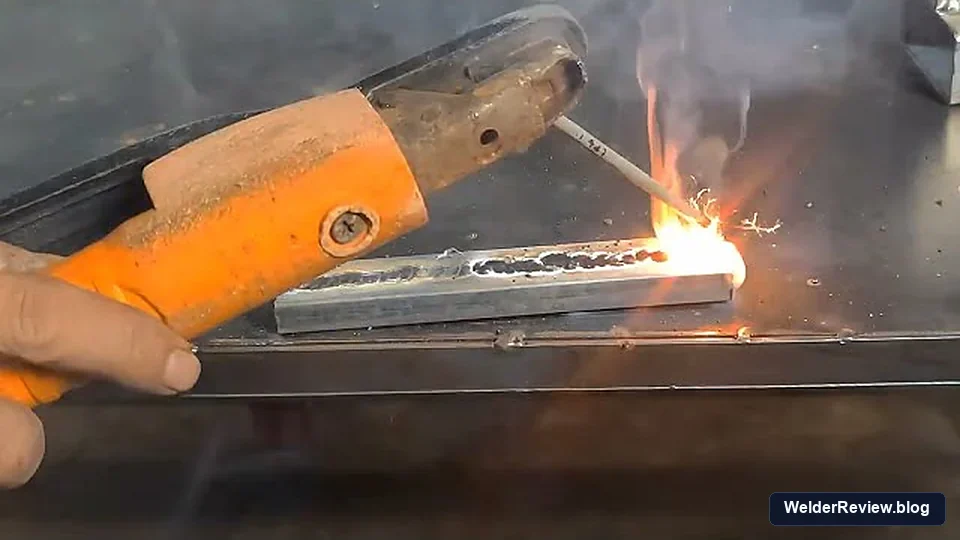
Conversely, Shielded Metal Arc Welding utilizes a constant current power source and a flux-coated consumable electrode. The decomposing flux coating generates its own protective gas shield and slag layer automatically.
MIG welding relies on continuous wire fed through a gun with shielding gas, requiring proper mig welder troubleshooting when arc instability or gas coverage issues disrupt the weld pool.
Internal transformers dictate duty cycles, where constant voltage power sources regulate wire feed speed, contrasting sharply with constant current stick machines that automatically adjust voltage output to maintain stable arc length.
- Continuous wire feed mechanisms require precise tension calibration.
- Consumable flux coatings shield the weld pool from nitrogen.
- Power sources demand different duty cycle engineering standards.
Power Delivery Mechanisms
Constant voltage power supplies dominate wire feed applications to maintain arc length stability automatically. Any change in stick-out length alters current draw and adjusts burn-off rate instantly.
Constant current power sources regulate amperage output strictly despite arc length variations. This engineering approach prevents electrode sticking during manual manipulation by operators.
- Constant voltage suits automated wire feed systems.
- Constant current stabilizes manual electrode handling.
Real-World Performance and Joint Penetration
Wire feed processes deliver exceptional travel speeds and clean aesthetics when welding sheet metal components. Operators achieve minimal distortion on thin gauges by utilizing short-circuit transfer modes safely.
Manual electrode methods offer superior deep penetration into thick, heavy plates without requiring extensive joint preparation. The aggressive arc forces burn through mill scale and moderate surface rust effortlessly.
Heavy structural steel fabrication demands the deep root penetration typical of 7018 electrodes, whereas MIG processes excel on clean sheet metal joints using Argon-CO2 blends for minimal spatter.
When joining thick plate sections, review options in our best budget stick welder guide since these robust machines provide superior arc force to bridge gaps without complex gas shielding setups.
- Short-circuit transfer excels on thin automotive body panels.
- Deep arc penetration ensures structural integrity on heavy beams.
- Mill scale tolerance reduces preliminary grinding time drastically.
Material Compatibility Limits
Wire feed systems handle aluminum, stainless steel, and mild steel efficiently with proper wire and gas combinations. Switching materials demands meticulous cleaning of drive rolls and replacement of gun liners.
Consumable electrode setups adapt rapidly to various steel alloys simply by changing the rod classification. Operators switch from low-hydrogen structural electrodes to hardfacing rods in mere seconds.
- Aluminum wire requires spool guns or Teflon liners.
- Alloy changes involve swapping coated steel rods quickly.
Setup Complexity and Operational Footprint
Establishing a wire feed workstation involves securing shielding gas cylinders, adjusting regulator flow rates, and threading spools. Proper drive roll tension prevents bird-nesting while maintaining smooth wire delivery.
Establishing an electrode welding station requires plugging into a suitable receptacle, attaching the ground clamp firmly, and inserting a rod. The minimal footprint makes mobile truck beds ideal workstations.
Setting up a system featured in our best budget mig welder reviews requires balancing wire tension and gas flow meters, drastically reducing the equipment footprint inside cramped shop environments.
Beginners often struggle with contact tip selection during MIG preparation, yet stick operators face challenges managing electrode angles and preventing flux coating moisture absorption during high-humidity storage conditions.
- Gas cylinder management adds weight to the cart footprint.
- Simple electrode clamping enables rapid deployment in remote areas.
Portability and Field Readiness
Transporting wire feed machines requires securing gas bottles against tipping hazards during transit across rough terrain. Wind gusts outdoors can blow away shielding gas and cause severe porosity defects.
Electrode units ignore windy outdoor environments completely because the flux coating shields the weld pool. This makes field repairs on agricultural machinery or bridges exceptionally reliable and straightforward.
- Shielding gas requires wind screens during outdoor operations.
- Flux coatings eliminate wind-induced porosity concerns entirely.
Maintenance, Consumables, and Longevity
Wire feed torches demand regular inspection of contact tips, gas nozzles, and internal liners to prevent erratic feeding. Spatter buildup inside the nozzle restricts gas coverage and ruins weld integrity.
Electrode holders experience jaw wear from repeated clamping, requiring occasional replacement of copper alloy parts. Internal machine components remain dust-free due to sealed cabinet designs on modern inverters.
Regular maintenance on MIG guns involves inspecting drive rolls and replacing worn contact tips, whereas stick electrode holders require monitoring spring tension to prevent electrical resistance hotspots.
Machine longevity heavily depends on keeping internal transformer windings free of metal dust, with both processes requiring compressed air blowouts every six months to ensure optimal thermal dissipation.
- Contact tips require frequent inspection for internal wear.
- Stinger jaws must maintain firm clamping force on rods.
Consumable Lifecycle Management
Consumable expenses for wire feed systems include contact tips, drive rolls, shielding gas refills, and wire spools. Keeping spares organized ensures production lines avoid unexpected downtime during critical projects.
Consumable expenses for electrode setups involve purchasing various rod classifications and chipping hammers. Proper rod storage in climate-controlled ovens prevents moisture absorption and subsequent cracking issues.
- Keep spare contact tips and nozzles readily available.
- Store low-hydrogen electrodes in heated drying ovens.
Environmental Tolerance and Field Conditions
Clean, indoor fabrication shops provide the ideal controlled environment for high-efficiency wire feed welding operations. Drafts, moisture, and dirty metal surfaces degrade weld quality and increase post-weld cleanup efforts.
Harsh outdoor environments test the resilience of both equipment and operator technique during structural fabrication tasks. Mud, grease, and heavy rust pose minimal challenges to high-amperage electrode melting processes.
Outdoor field repairs favor stick welding because external winds easily blow away delicate shielding gas envelopes, leaving MIG welds severely porous without specialized wind screens.
When dealing with rusted or painted metal surfaces, stick flux generates powerful scavenging agents that lift contaminants out of the molten puddle, outperforming MIG on dirty steel.
- Indoor shops maximize shielding gas effectiveness and speed.
- Outdoor job sites demand rugged equipment and weather resistance.
Surface Preparation Requirements
Successful wire feed welding mandates pristine base metal surfaces free of heavy mill scale, paint, and oil. Failing to grind joints thoroughly results in lack of fusion and unsightly gas pockets.
Electrode welding tolerates less-than-ideal joint conditions because the powerful arc forces blast through contaminants. While cleaning is still recommended, minor surface impurities rarely cause catastrophic structural failure.
- Thorough grinding is mandatory for wire feed processes.
- Arc force tolerates minor surface contamination effectively.
Safety Standards, Ergonomics, and Fatigue
Ergonomic gun designs reduce wrist strain during long production runs involving repetitive fillet and butt welds. Operators benefit from lighter cable assemblies when working in tight automotive chassis configurations.
Holding heavy electrode holders requires forearm strength, while slag chipping introduces repetitive impact vibrations. Operators must manage fume exposure carefully when working in confined spaces without ventilation.
Operating safety guidelines mandate proper ventilation systems to remove toxic welding fumes, while ergonomic gun designs minimize wrist fatigue during lengthy structural production shifts across busy fabrication shops.
Stick welding stingers are noticeably heavier and generate intense radiant heat, requiring insulated leather gloves to prevent severe burns during continuous electrode changes and heavy slag chipping.
- Lightweight torches minimize operator fatigue over long shifts.
- Slag chipping requires protective eyewear and hearing protection.
Ventilation and Fume Management
Shielding gases and base metal coatings generate hazardous airborne particulates requiring mandatory local exhaust ventilation. Proper respiratory protection safeguards operators from heavy metal fume fever in enclosed fabrication bays.
Coated electrodes produce thick smoke clouds containing various metallic oxides and fluoride compounds. Using PAPR systems ensures breathing air remains clean during prolonged structural welding tasks.
- Mandatory exhaust systems remove toxic welding fumes efficiently.
- Respirators protect operators from hazardous flux byproducts.
Which Process Fits Your Specific Shop Requirements
Determining the right process depends primarily on your typical material thickness, workspace environment, and budget constraints. High-volume sheet metal fabrication demands the speed and clean finish of wire feed systems.
Heavy maintenance yards and structural steel erection companies rely on electrode welding for ultimate joint reliability. Evaluating these operational priorities ensures your capital investment yields maximum productivity and safety.
Choosing the ideal welding process depends entirely on your specific material thickness and daily project volume, balancing high-speed production against heavy-duty structural repair versatility across industrial applications.
High-volume fabrication facilities typically choose MIG for maximum throughput, while hobbyists often consult our best beginner mig welders roundup to select machines featuring reliable wire feed mechanisms and stable arc control.
- Analyze material thickness and typical joint configurations carefully.
- Consider whether your work occurs indoors or outdoors.
Making the Final Equipment Decision
Investing in multi-process machines provides flexibility for shops handling diverse projects ranging from thin brackets to heavy beams. Weighing consumable costs against labor savings guides optimal purchasing decisions.
Consulting experienced fabricators helps identify hidden operational bottlenecks before committing to a specific welding technology. Proper training ultimately determines weld quality regardless of the chosen method.
- Multi-process units offer maximum operational versatility.
- Operator training remains paramount for flawless weld execution.
Frequently Asked Questions
Which welding process is easier for absolute beginners to learn?
Wire feed systems are generally considered easier for beginners because they feed filler metal automatically. This allows new operators to focus entirely on travel speed and torch angle without managing electrode feed rates.
Can I weld outdoors without a shielding gas setup?
Yes, electrode welding and self-shielded flux-cored wire operate effectively outdoors without external gas cylinders. The internal chemical flux generates its own protective shielding cloud against disruptive wind drafts.
Why does my wire feed weld have so much spatter?
Excessive spatter usually stems from incorrect voltage settings, incorrect wire stick-out, or worn contact tips. Ensuring proper polarity and cleaning your drive rolls will restore a smooth, stable arc.
Do I need to clean the slag off every single weld pass?
Yes, removing the slag layer completely between multiple passes is mandatory to prevent inclusion defects. Trapped slag creates weak points that can severely compromise the overall structural integrity of the joint.
What determines whether I should use an AC or DC power source?
Direct current provides a stable arc and smoother deposition for most standard steel fabrication tasks. Alternating current is typically reserved for specialized aluminum applications or mitigating magnetic arc blow issues.