Mig Mag vs Mma Welders: Ultimate Technical Comparison
Choosing between continuous wire-feed MIG/MAG and stick MMA welding requires evaluating joint configurations, shielding gas needs, and environmental exposure limits.

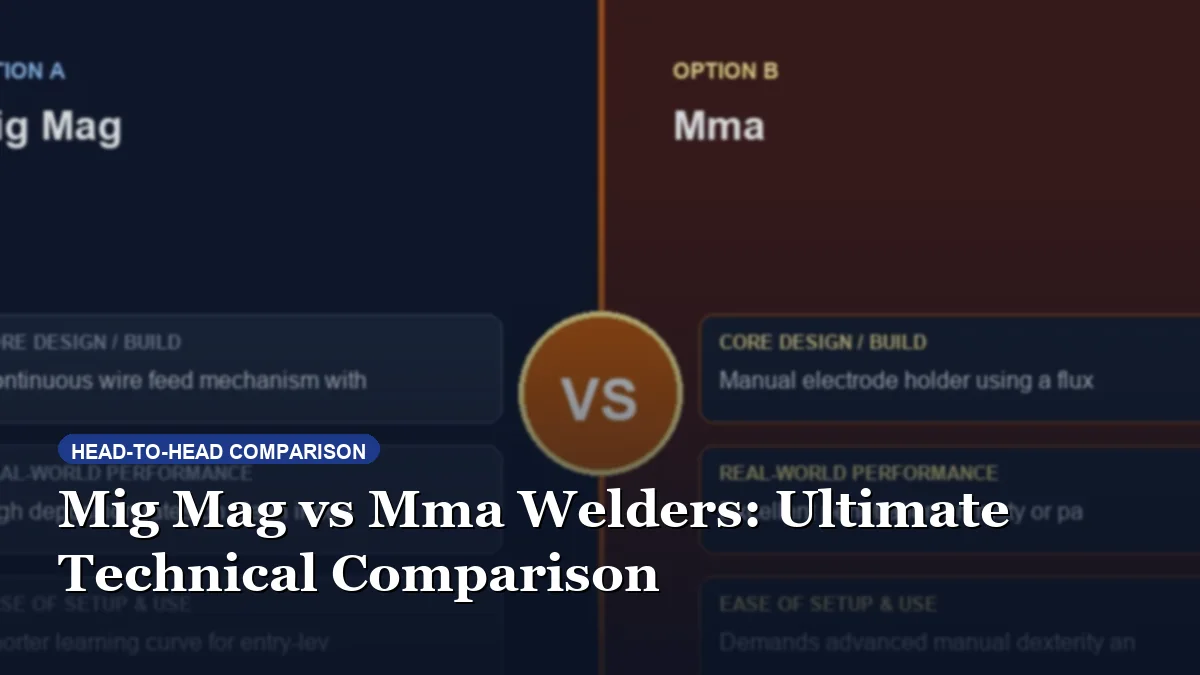
Choose Mig Mag for high-speed workshop productivity on clean sheet metal, or select Mma for heavy structural field work in windy outdoor conditions.
Compare all top models in our Best Welder: Top Home Shop & Jobsite Picks Tested.
Side-by-Side Breakdown
| Criteria | Mig Mag | Mma | Edge |
|---|---|---|---|
| Core Design / Build | Continuous wire feed mechanism with external gas shield. | Manual electrode holder using a flux-coated rod. | Mig Mag |
| Real-World Performance | High deposition rates on clean indoor steel assemblies. | Excellent penetration on rusty or painted surfaces. | Tie |
| Ease of Setup & Use | Shorter learning curve for entry-level fabricators. | Demands advanced manual dexterity and arc control. | Mig Mag |
| Durability & Reliability | Requires careful maintenance of liners and drive rolls. | Rugged simplified internal architecture resists heavy jobsite abuse. | Mma |
| Efficiency / Operating Footprint | Maximizes workshop throughput with minimal downtime. | Offers ultimate portability without heavy gas cylinders. | Mig Mag |
| Maintenance Requirements | Frequent contact tip and nozzle inspections needed. | Minimal mechanical upkeep outside of cable checks. | Mma |
| Best Ideal Use Case | Indoor structural fabrication and automotive body repair. | Outdoor construction and pipeline maintenance work. | Tie |
Core Arc Physics and Consumable Delivery
MIG/MAG welding uses a continuously fed wire electrode shielded by active or inert gas, creating a stable arc pool ideal for high-speed manufacturing applications and thin gauge fabrication tasks.
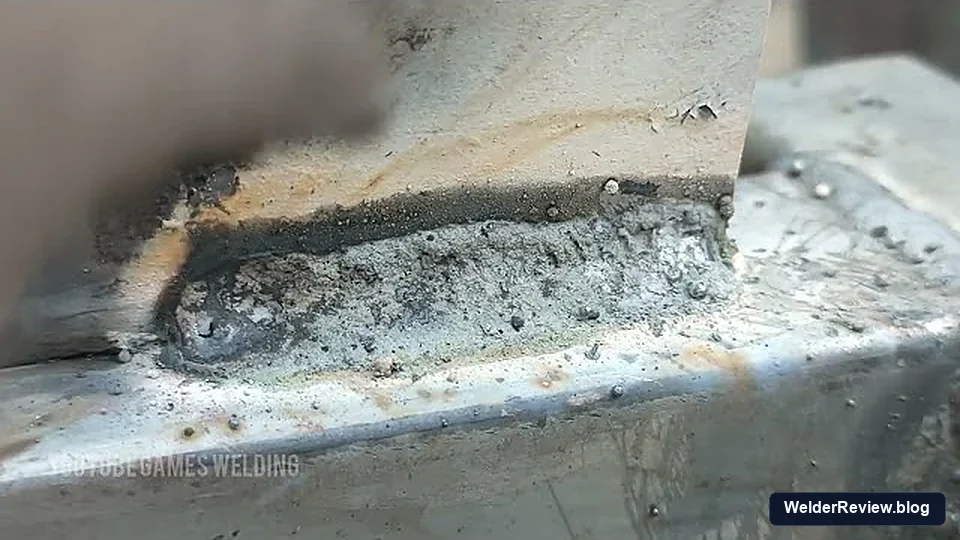
Conversely, MMA welding relies on a consumable flux-coated electrode manually manipulated by the operator, generating its own protective gaseous shield through the thermal decomposition of the exterior flux coating.
Selecting the right equipment from our beginner mig welders roundup helps operators pair a continuously fed electrode wire with external shielding gas to stabilize the arc.
Voltage drops across the arc column dictate droplet transfer modes, transitioning from short-circuiting to spray transfer. MMA systems maintain a constant current output, automatically adjusting voltage to compensate for arc length fluctuations during manual operations.
- Continuous wire feed mechanism versus manual stick replacement.
- External shielding gas requirements versus self-shielded flux coatings.
- Deposition rates favoring continuous wire processes in workshops.
Electrode Dynamics and Shielding Mechanisms
Understanding shielding dynamics prevents porosity issues. MIG/MAG systems demand strict bottle pressure regulation and clean joint preparation to maintain weld integrity across structural carbon steel assemblies.
Stick equipment tolerates minor mill scale, rust, and oil contamination far better because the heavy slag blanket protects the solidifying weld pool from atmospheric embrittlement during cooling phases.
- Slag formation protects cooling weld beads.
- Gas coverage prevents atmospheric contamination.
Workflow Streamlining and Digital Documentation
Modern fabrication facilities increasingly integrate digital management tools to track welding parameters, procedure qualification records, and consumable inventory levels across multiple active workstations.
Utilizing cloud-based spreadsheets and integrated documentation software allows quality control inspectors to review procedure specifications instantly without sorting through messy paper logs or misplaced notebooks.
Modern fabrication shops integrate digital weld logs to track parameters like amperage, voltage, and travel speed. These tools ensure strict adherence to welding procedure specifications while minimizing manual paperwork burdens for quality control inspectors.
Implementing automated data collection reduces human error during production monitoring. Technicians can instantly export traceability reports, verifying that every completed joint meets the necessary structural integrity standards outlined by governing engineering bodies.
- Digital procedure logs replace manual paper binders.
- Real-time parameter tracking improves overall quality control.
Collaborative Project Management and File Sharing
Engineering teams rely on shared document platforms to collaborate on joint designs, welding symbols, and structural blueprints before actual fabrication begins on the shop floor.
Centralized file repositories eliminate version confusion, ensuring every technician accesses the exact same revision of safety protocols and fabrication guidelines across distributed manufacturing locations.
- Standardized document repositories prevent costly revision errors.
- Instant access supports multi-facility engineering teams.
Mobile Operations and Cloud Sync Capabilities
Field technicians require robust mobile connectivity to sync equipment diagnostic logs and operational metrics directly to central office databases while working on remote construction sites.
Modern desktop synchronization utilities automatically upload daily productivity metrics, power source duty cycles, and maintenance alerts as soon as technicians connect to secure wireless networks.
Field technicians require portable power sources that synchronize operational data directly with enterprise cloud platforms. This connectivity enables remote supervisors to review live performance metrics and authorize adjustments before fabrication continues on-site.
Advanced inverter architectures reduce transformer weight, making multi-process machines easier to transport. Cloud synchronization ensures that software updates and firmware patches are applied uniformly across fleet equipment inventories without manual USB interventions.
- Automatic backup prevents critical diagnostic data loss.
- Remote syncing accelerates equipment maintenance turnaround times.
Smartphone Integration and Field Diagnostics
Operators utilize dedicated mobile applications on smartphones to troubleshoot error codes, verify input voltage parameters, and order replacement consumables directly from the job site.
AI-powered search tools within technical support apps instantly locate specific troubleshooting steps, reducing equipment downtime during complex heavy industrial fabrication projects.
- Mobile apps simplify remote error code diagnosis.
- Instant search capabilities reduce workshop downtime.
Environmental Resilience and Outdoor Performance
Environmental conditions dictate equipment selection. While our top budget mig welder choices work great indoors, MIG/MAG setups struggle significantly in windy conditions as crosswinds blow away external shielding gas.
Shielded metal arc welding excels outdoors since the flux coating generates localized gas protection directly at the arc core, unaffected by moderate ambient breezes or harsh drafts.
Outdoor welding exposes equipment and arcs to turbulent wind conditions that easily displace external shielding gases. MMA excels in these environments because its heavy slag shielding mechanism effectively protects the molten weld pool from atmospheric contamination.
MIG/MAG welding outdoors demands dedicated windbreaks or self-shielding flux-cored wires to prevent catastrophic porosity. Technicians must carefully monitor ambient moisture levels, as damp consumables severely degrade the mechanical impact toughness of finished carbon steel joints.
- Wind disruption compromises external shielding gas integrity.
- Stick processes maintain arc stability in severe weather.
Temperature Extremes and Moisture Management
Cold weather fabrication introduces thermal shock risks. Technicians must preheat thick base metals properly before striking an arc to prevent micro-cracking in high-constraint structural joints.
Moisture control remains vital for stick electrodes, requiring dedicated rod ovens to bake out humidity that otherwise causes hydrogen-induced cracking in high-strength carbon steel weldments.
- Preheating prevents brittle failures in cold steel.
- Rod ovens eliminate moisture-induced hydrogen cracking.
Setup Complexity and Operator Skill Demands
Operator training requirements differ drastically between these methods. Reviewing our top home use mig welder picks proves that MIG/MAG machines offer much shorter learning curves for beginners tackling basic fillet welds.
Mastering stick welding demands exceptional hand-eye coordination, precise arc length control, and steady manipulation as the consumable electrode constantly shortens during the deposition process.
Configuring a MIG system involves balancing wire feed speeds, shielding gas flow rates, and voltage outputs. In contrast, MMA demands superior hand-eye coordination to maintain a consistent arc length while manually feeding the consuming electrode downward.
Trainees typically master semi-automatic MIG parameters faster due to the mechanical wire feed. However, mastering MMA requires extensive practice to prevent electrode sticking and achieve acceptable penetration profiles on thicker structural steel sections.
- Wire-feed systems reduce initial operator training timelines.
- Stick welding requires advanced manual dexterity and feel.
Parameter Calibration and Machine Tuning
Wire systems require precise voltage and wire feed speed balance to achieve the desired spray or short-circuit transfer mode without excessive spatter or lack of fusion.
Amperage adjustment on stick machines is straightforward, relying primarily on electrode diameter and plate thickness guidelines to establish proper heat input for sound penetration.
- Voltage and speed tuning govern wire performance.
- Amperage sizing dictates stick electrode selection.
Maintenance Protocols and Equipment Longevity
Routine maintenance ensures long-term reliability. MIG/MAG equipment requires frequent inspection of drive rolls, contact tips, liners, and gun nozzles to prevent erratic wire feeding issues.
Stick welders feature simpler internal designs with fewer moving wear parts, though internal dust accumulation and transformer cooling fan failures still require periodic compressed air cleaning.
Routine upkeep for MIG setups requires inspecting drive rolls, contact tips, and torch liners for premature wear. For MMA units, operators must regularly clean dust from internal inverters and check electrode holder jaws for electrical pitting.
Preventative maintenance schedules significantly extend machinery lifespan by preventing resistance buildup in high-current terminals. Technicians should test insulation resistance annually to safeguard against internal electrical shorts during heavy industrial fabrication cycles.
- Drive roll and contact tip inspections prevent jams.
- Minimal moving parts enhance stick machine durability.
Consumable Storage and Workspace Management
Keeping consumables organized improves workshop efficiency. Shielding gas cylinders demand secure chain restraints to prevent tipping hazards in busy industrial fabrication floor environments.
Electrode storage lockers protect flux-coated rods from moisture absorption, maintaining optimal arc starting characteristics and preventing weld porosity during critical structural construction projects.
- Gas cylinders require strict safety chain restraints.
- Dry storage preserves stick electrode performance standards.
Economic Footprint and Operational Efficiency
Financial considerations influence equipment procurement strategies. Exploring our favorite 110v mig welder options shows how MIG/MAG welding delivers superior deposition efficiency and high overall productivity for shop-based manufacturing.
Stick welding incurs higher consumable waste through stub loss and slag disposal, yet offers lower initial capital expenditure and eliminates recurring shielding gas cylinder rental expenses.
MIG welding delivers high deposition rates and minimal cleanup, reducing overall labor costs during large production runs. Conversely, MMA incurs higher post-weld cleaning overhead due to slag removal requirements, though it eliminates expensive shielding gas cylinders.
Consumable costs vary significantly between continuous wire spools and individual coated electrodes. Facilities must evaluate their typical joint configurations and duty cycles to determine which process yields the optimal return on investment over extended periods.
- High deposition rates maximize shop productivity returns.
- Eliminating gas rentals reduces long-term operating costs.
Scalability and Automation Potential
Automated manufacturing lines leverage continuous wire processes for robotic integration, maximizing output consistency while minimizing manual labor costs on high-volume production schedules.
Manual scalability remains the hallmark of stick welding, allowing contractors to mobilize rapidly to remote repair sites without hauling heavy gas cylinders or complex wire feeders.
- Robotic integration favors continuous wire welding.
- Rapid field mobilization suits maintenance contracting firms.
Frequently Asked Questions
Can MIG welding be performed outdoors without protective wind barriers?
External crosswinds easily disrupt the shielding gas blanket, causing severe porosity defects. Therefore, always erect wind screens or switch to stick welding outdoors.
Why do stick electrodes require specialized storage ovens?
Ambient humidity penetrates the flux coating, introducing excess hydrogen into the molten weld pool. Using rod ovens prevents catastrophic hydrogen-induced cracking.
Which welding process offers a faster learning curve for beginners?
MIG/MAG systems provide simpler hand-eye coordination demands for entry-level fabricators. Beginners typically master basic linear joints much faster with wire feed.
Do stick welders require expensive shielding gas cylinder rentals?
No, stick MMA welding relies entirely on the flux coating for atmospheric protection. This eliminates recurring gas rental costs, making it ideal for field repairs.
How often should drive rolls and contact tips be inspected?
Regular inspection prevents erratic wire feeding and excessive spatter during production. Inspect wear parts weekly to ensure optimal electrical contact.