Mig Gas vs Tig Gas: Technical Comparison
Choosing between shielding gases defines your weld quality and fabrication speed. We evaluate the core engineering trade-offs of both processes.

Choose MIG gas for high-speed production welding on thick mild steel. Select TIG gas for absolute precision, clean aesthetics, and exotic alloy fabrication.
Compare all top models in our Best Welder: Top Home Shop & Jobsite Picks Tested.
Side-by-Side Breakdown
| Criteria | Mig Gas | Tig Gas | Edge |
|---|---|---|---|
| Core Design / Build | Continuous wire feed with mechanized drive roll systems. | Manual filler rod feed with high-frequency arc initiation. | Tig Gas |
| Real-World Performance | Exceptional deposition rates for fast structural fabrication. | Superior puddle control for intricate thin-gauge joints. | Tig Gas |
| Ease of Setup & Use | Steep initial learning curve optimized quickly by beginners. | Demands advanced hand-eye coordination and dual-hand dexterity. | Mig Gas |
| Durability & Reliability | Robust mechanical wire drives require routine tension checks. | Solid-state torch assemblies demand pristine tungsten maintenance. | Mig Gas |
| Efficiency / Operating Footprint | High duty cycles with minimal torch preparation downtime. | Slower travel speeds offset by exceptional weld cleanliness. | Mig Gas |
| Maintenance Requirements | Frequent contact tip and nozzle replacement under heavy use. | Regular collet body cleaning and precise tungsten grinding. | Mig Gas |
| Best Ideal Use Case | Automotive body panels and thick structural steel frames. | Motorsport headers, aerospace assemblies, and thin aluminum. | Tig Gas |
Core Engineering and Arc Dynamics
Shielding gas selection dictates how electric arcs transfer heat to base metals. MIG gas systems utilize active or inert blends to stabilize a continuous wire electrode.
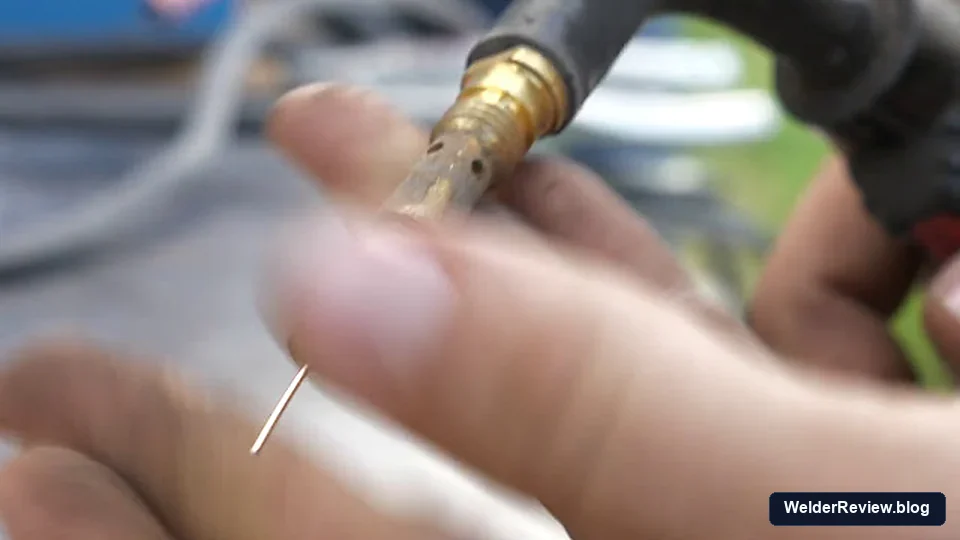
Conversely, TIG gas relies exclusively on inert argon to protect a non-consumable tungsten electrode without contaminating the weld pool during high-heat cycles.
MIG welding relies on a continuously fed electrode wire that establishes a self-regulating arc. Voltage drops maintain a constant arc length, instantly compensating for slight hand movements during heavy fabrication tasks.
TIG welding utilizes a non-consumable tungsten electrode paired with high-frequency arc initiation. Operators independently control filler metal addition, enabling precise heat input management essential for thin-gauge aerospace and motorsport components.
- MIG systems use argon-CO2 mixes for carbon steel penetration.
- TIG applications demand pure argon shielding for reactive metals.
- Voltage stability differs significantly between continuous and manual feeds.
Shielding Gas Chemistry and Flow Rates
Maintaining proper flow meter pressure prevents atmospheric contamination during fabrication. Selecting the right mig gas for mild steel ensures optimal arc stability and clean structural joints.
Excessive turbulence draws oxygen into the arc zone, causing severe porosity within structural joints.
- Standard flow rates range from 15 to 25 CFH.
- Drafty environments require increased shielding volume.
Real-World Performance and Deposition Rates
Fabrication shops prioritize output speed when constructing large structural steel assemblies. Reviewing options in our best mig tig plasma combo guide helps operators select versatile multi-process machines for diverse fabrication tasks.
Precision applications require slower travel speeds to ensure complete fusion across delicate root passes and complex joint configurations.
Gas metal arc welding delivers exceptional deposition rates exceeding ten pounds per hour with thick structural carbon steels. This high efficiency drastically reduces overall assembly times in demanding heavy industrial manufacturing environments.
Gas tungsten arc processes prioritize weld puddle metallurgy over speed, yielding much lower deposition rates. Technicians accept slower travel speeds to achieve defect-free X-ray quality joints on critical pressure vessels and piping systems.
- MIG excels in rapid fillet welds on thick steel plates.
- TIG provides absolute control over heat-affected zones on thin materials.
- Penetration profiles vary based on shielding gas composition.
Penetration Profiles Across Metal Thickness
Thick plate fabrication demands deep root penetration to satisfy rigorous structural engineering standards. Spray transfer MIG setups achieve exceptional depth on heavy structural sections.
Thin sheet metal requires delicate heat management to prevent burn-through defects.
- Short-circuit MIG works best on sheet metal joints.
- TIG handles knife-edge joints without filler wire.
Metallurgy and Material Compatibility
Material science dictates which welding process yields optimal mechanical properties. Aluminum fabrication requires specialized gas setups to prevent oxide inclusion defects.
Carbon steel structures tolerate minor surface impurities much better than exotic stainless alloys or titanium components.
Shielding gas selection directly dictates weld bead chemistry and mechanical properties. Argon and carbon dioxide mixtures prevent atmospheric oxidation while balancing penetration profiles across standard structural carbon steel plates.
TIG processing excels with reactive metals like aluminum and titanium by utilizing pure argon shielding. High-frequency AC balancing removes refractory oxide layers effectively, preventing internal porosity and premature structural joint failure.
- Stainless steel demands tri-mix gases for optimal corrosion resistance.
- Titanium requires absolute isolation from atmospheric oxygen.
- Mild steel accommodates standard argon-carbon dioxide blends.
Managing Heat-Affected Zones
Excessive heat input distorts base metal crystalline structures, weakening the final weld assembly. Targeted arc focus minimizes thermal distortion on structural plates.
Proper cooling rates preserve tensile strength across high-stress engineering components.
- TIG reduces thermal expansion on precision aerospace parts.
- MIG generates broader heat zones requiring post-weld cleanup.
Operational Efficiency and Duty Cycle
Equipment uptime directly impacts workshop profitability and project completion timelines. High duty cycles allow uninterrupted welding across demanding industrial schedules.
Torch preparation overhead reduces active arc-on time during intricate multi-pass fabrication sequences.
Industrial MIG power sources frequently operate at a sixty percent duty cycle at maximum rated amperage. This thermal endurance allows continuous multi-pass welding on thick structural beams without triggering internal thermal overloads.
TIG welding units demand rigorous cooling system maintenance, especially when running high amperage DC configurations. Water-cooled torches prevent premature torch degradation, ensuring sustained operational reliability during extensive production shifts.
- MIG systems offer continuous wire feed for minimal downtime.
- TIG requires frequent stopping to reposition filler rod.
- Power source efficiency varies under heavy industrial loads.
Consumable Lifespan and Replacement Intervals
Consumable degradation introduces arc instability if operators fail to perform routine inspections. Contact tips wear down rapidly under high wire feed speeds.
Tungsten electrodes demand careful maintenance to prevent contamination during aluminum welding tasks.
- Replace worn MIG nozzles to maintain smooth gas coverage.
- Regrind contaminated tungsten tips at a sharp angle.
Setup Complexity and Ergonomic Factors
Operator fatigue influences weld quality over extended shifts in industrial workshops. Ergonomic torch designs reduce wrist strain during lengthy fabrication runs.
Mastering dual-hand coordination requires extensive practice compared to simpler semi-automatic gun techniques.
Setting up a MIG system involves balancing wire feed speed, voltage, and shielding gas flow meters. Following proper safety steps in our mig gas cylinder setup guide ensures reliable shielding coverage.
TIG welding demands superior ergonomic positioning and ambidextrous coordination from the operator. Managing foot pedals, torch angles, and filler rod feed simultaneously requires extensive training and refined motor skills.
- MIG torches offer lightweight maneuverability for production tasks.
- TIG setups require both hands for torch and filler wire.
- Foot pedal controls demand stable operating seating positions.
Learning Curve for Novice Operators
New welders progress through skill milestones at vastly different rates depending on the chosen process. Basic MIG operation can be learned within a few days.
Mastering TIG technique demands months of disciplined practice to achieve consistent bead aesthetics.
- MIG allows fast entry into structural fabrication work.
- TIG requires patience to master arc length control.
Maintenance Protocols and Long-Term Reliability
Preventative maintenance ensures consistent machine performance throughout extended operational lifespans. Drive roll tension must be calibrated regularly to prevent bird-nesting issues.
Cooling liquid levels and power lead connections require periodic checks in water-cooled setups.
Routine MIG maintenance requires inspecting drive rolls, contact tips, and liner conditions regularly. Buildup inside the welding gun neck causes erratic wire feeding, leading to arc instability and compromised weld penetration.
TIG systems require meticulous tungsten electrode preparation via specialized diamond grinding wheels. Contaminated tungsten leads to erratic arcs, tungsten inclusions, and structurally compromised welds in critical aerospace or nuclear applications.
- Clean wire liners regularly to prevent feeding friction.
- Inspect gas solenoids for leaks to ensure safety.
- Store filler metals in moisture-controlled environments.
Troubleshooting Common Shielding Gas Issues
Gas delivery failures manifest immediately as porous, brittle welds lacking structural integrity. Following our mig gas flow rate guide prevents regulator frosting and eliminates shielding gas deficiencies during heavy fabrication.
Checking hose connections resolves most shielding deficiencies quickly in busy shops.
- Use leak detection spray on threaded gas fittings.
- Replace damaged hoses immediately to maintain safety.
Application Mapping and Buyer Decision Matrix
Selecting the right equipment prevents costly process bottlenecks during project execution phases. Production fabrication shops benefit immensely from versatile multi-process machines.
Custom automotive restoration projects demand the ultimate precision offered by dedicated inert gas systems.
Selecting the correct joining process depends heavily on joint thickness, production volume, and material specifications. Production facilities prioritize MIG systems for rapid fabrication of structural assemblies, trailers, and heavy machinery frames.
Conversely, fabricators choose TIG technology for intricate assemblies requiring supreme aesthetic quality and precision. Aerospace brackets, sanitary stainless steel piping, and custom aluminum artworks demand this meticulous, contamination-free welding approach.
- Choose MIG for high-speed structural steel projects.
- Select TIG for visible welds and thin alloys.
- Evaluate power supply availability before purchasing equipment.
Matching Power Supplies to Facility Limitations
Electrical infrastructure limits the maximum amperage output of your welding equipment. Inverter power sources maximize efficiency across standard shop circuits.
Heavy industrial applications require dedicated high-voltage drops to sustain continuous arcs.
- Verify breaker ratings before operating heavy-duty machines.
- Dual-voltage units offer excellent portability benefits.
Frequently Asked Questions
Can I use pure argon for MIG welding mild steel?
Using pure argon on steel causes severe bead undercutting and poor arc stability. Always use an argon-CO2 blend for optimal results.
Why is TIG welding significantly slower than MIG?
TIG requires manual filler rod addition and precise arc manipulation. This deliberate pace ensures superior weld aesthetics and structural integrity.
What shielding gas is best for aluminum TIG welding?
Pure argon provides the necessary cleaning action and arc stability for aluminum. Helium mixes can be added for increased heat penetration on thick plates.
How often should I replace my MIG contact tip?
Replace your contact tip whenever you notice arc sputtering or erratic wire feeding. Worn tips degrade electrical contact quality inside the nozzle.
Is TIG welding harder to learn than MIG welding?
TIG requires coordinating both hands and a foot pedal simultaneously. MIG offers a much shorter learning curve for beginner fabricators.