Lift Arc vs Scratch Start TIG Ignition
Choosing the right TIG ignition method impacts your weld quality and tungsten life. Evaluate these two common techniques for your shop.

Choose Lift Arc for precise, contamination-free starts on sensitive joints. Opt for Scratch Start when using legacy gear on simple carbon steel fabrication.
Compare all top models in our Best Welder: Top Home Shop & Jobsite Picks Tested.
Side-by-Side Breakdown
| Criteria | Lift Arc | Scratch Start | Edge |
|---|---|---|---|
| Core Design / Build | Low voltage sensing circuit | Direct short circuit | Lift Arc |
| Real-World Performance | Minimal tungsten sticking | Frequent tungsten fouling | Lift Arc |
| Ease of Setup & Use | Requires modern inverter | Works on basic scratch rigs | Scratch Start |
| Durability & Reliability | Protects electrode tip | Degrades tungsten rapidly | Lift Arc |
| Efficiency / Operating Footprint | Optimized power draw | Standard resistive draw | Lift Arc |
| Maintenance Requirements | Less frequent grinding | Constant point reshaping | Lift Arc |
| Best Ideal Use Case | Precision alloy welding | Budget field repairs | Lift Arc |
Core Design and Engineering Differences
Understanding internal machine engineering clarifies why these two arc starting techniques behave differently under heavy shop conditions. Manufacturers build distinct electrical pathways to manage the initial current delivery during electrode contact.
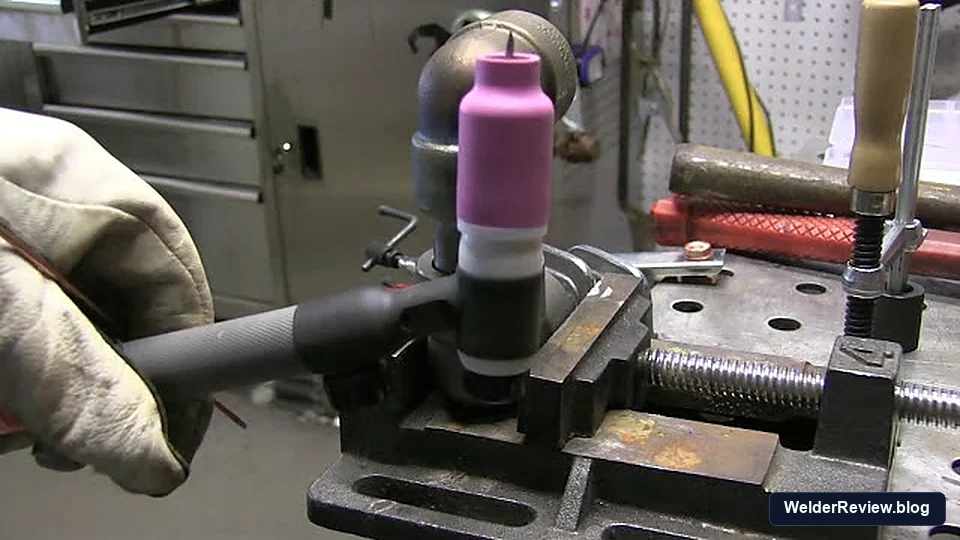
Engineering standards dictate how safely a power source handles short circuits. Modern inverter units use proprietary circuitry to regulate output amperage when the tungsten touches your base metal surface.
Legacy transformer welders rely on raw output without advanced microprocessors. This mechanical limitation forces the operator to rely purely on manual touch techniques to establish a stable welding arc.
Lift arc architecture relies on low-voltage sensing circuitry to establish a safe arc without tungsten damage. Choosing our best inverter arc welder model ensures precise current regulation during the initial contact phase.
Scratch start systems utilize direct, uncontrolled short-circuit amperage directly from the main transformer or basic DC generator. Without solid-state intervention, the full open-circuit voltage surges through the electrode instantly upon physical workpiece contact.
Internal electronic controllers in modern lift arc machines isolate the tungsten tip from high initial current loads. This engineering distinction prevents thermal shock, extending component lifespan and maintaining a sharpened electrode geometry much longer.
- Lift Arc uses low-amperage sensing to prevent sticking.
- Scratch Start draws full preset amperage instantly.
- Inverter architecture protects sensitive internal electronic components.
Circuitry and Amperage Regulation
Lift Arc technology limits current to a fraction of an amp during initial contact. This low threshold stops the tungsten from melting into the weld puddle immediately.
Scratch Start lacks this protective sensing feature entirely. Touching the tungsten creates an unmanaged electrical short that blasts full welding current through the electrode tip.
- Current sensing protects delicate tungsten tips.
- Unmanaged shorts cause severe thermal shock.
Real-World Arc Initiation Mechanics
Executing a clean arc initiation requires mastering physical hand movements specific to each method. Operators must adapt their muscle memory to prevent workpiece damage and preserve consumables during every single strike.
Performance consistency varies heavily between the two techniques on thin materials. Modern fabrication shops demand repeatable results to eliminate costly rework and maintain strict structural integrity standards.
Field technicians often encounter fluctuating power supplies that influence arc stability. Reviewing equipment performance like our Amico Arc 160 review helps maintain productivity across diverse job site environments.
During lift arc initiation, the welder gently touches the tungsten to the base metal and lifts it smoothly. The machine detects this resistance drop and initiates a clean arc without causing tungsten inclusion in the weld pool.
Scratch start mechanics mimic traditional carbon arc methods, requiring a deliberate scraping motion across the steel surface. This abrasive friction instantly strikes the arc but frequently leaves behind microscopic debris that compromises structural weld integrity.
Successful scratch starts depend entirely on operator hand speed and steady wrist control during the initial friction phase. Hesitating during the scrape causes the tungsten to fuse permanently to the base metal joint, halting production completely.
- Lift Arc requires gentle touching and immediate lifting.
- Scratch Start demands a swift copper-style scraping motion.
- Both methods bypass high-frequency arc stabilization entirely.
Execution and Technique Mechanics
To perform a proper Lift Arc, you touch the tungsten to the metal and lift it smoothly. The machine detects the break and ramps power cleanly.
Executing a Scratch Start mimics lighting a matchstick across a rough surface. This abrupt motion often leaves tungsten inclusions trapped inside the solidifying weld zone.
- Matchstick motion initiates basic scratch starts.
- Smooth vertical lifts activate modern lift circuits.
Tungsten Consumption and Contamination Rates
Consumable management directly impacts project overhead and overall welding efficiency in commercial fabrication environments. Minimizing tungsten grinding saves valuable production time and reduces costly material waste.
Contaminated tungsten ruins weld quality instantly by introducing foreign particles into the molten puddle. Operators must understand how initiation methods influence electrode preservation over hundreds of consecutive arcs.
Alloy selection also interacts with your chosen arc starting technique during high-purity applications. Proper preparation ensures long-term arc stability and consistent penetration profiles across structural joints.
Lift arc drastically reduces tungsten consumption by limiting amperage until the arc is stably established above the joint. Welders can expect a single 2% lanthanated electrode to maintain its taper through numerous consecutive starts.
Scratch start methods accelerate tungsten wear because the high initial current surge melts and splatters the delicate tip. Operators must constantly stop to regrind contaminated electrodes on a dedicated diamond grinding wheel to prevent arc wandering.
Weld pool contamination remains a severe hazard when using scratch start ignition on critical ASME pressure vessel applications. Deposited tungsten fragments create brittle failure points that fail standard radiographic testing standards under rigorous industrial inspection.
- Lift Arc drastically reduces tungsten tip fracturing.
- Scratch Start accelerates mechanical wear on electrodes.
- Contamination requires immediate shutdown and regrinding.
Electrode Preservation Factors
Because Lift Arc suppresses initial amperage, the tungsten tip experiences minimal thermal shock. Your electrode maintains a sharp point through dozens of successive arc initiations.
Scratch Start subjects the tungsten to severe mechanical and thermal abuse. The electrode frequently splits, splinters, or welds itself solidly to the steel workpiece surface.
- Thermal shock destroys unprepared tungsten points.
- Clean lifts preserve critical electrode geometry.
Equipment Setup and Power Source Compatibility
Hardware requirements dictate which ignition technique your current workshop setup can readily support. Upgrading your equipment depends heavily on your budget and specific project demands.
Older stick welding machines usually default to scratch start capabilities when configured for TIG processes. Modern multi-process inverters incorporate dedicated lift ignition modes within their digital control panels.
Gas delivery systems and torch configurations also require careful integration regardless of ignition choice. Ensuring proper shielding gas coverage prevents premature oxidation during your initial arc strikes.
Lift arc requires a compatible multi-process inverter or dedicated TIG power source featuring low-amperage contact sensing firmware. Welders must connect the torch to the negative terminal and configure the gas solenoid valve for proper pre-flow.
Scratch start setups operate on virtually any constant-current stick welding machine without specialized internal TIG circuitry. Technicians simply attach a manual gas valve torch directly to the DC output and manage shielding gas via a tank regulator.
Compatibility limitations make scratch starting popular for remote field repairs where heavy-duty stick welders dominate. Exploring our arc force guide helps clarify how machines handle varying input loads during critical welds.
- Lift Arc requires modern inverter power sources.
- Scratch Start runs on virtually any DC welder.
- External gas valves are mandatory for basic setups.
Hardware Requirements and Limitations
Configuring a Lift Arc setup demands a compatible power source featuring built-in low-voltage sensing software. Standard older transformer units lack this specific internal programming.
A basic scratch start configuration requires only a constant current DC machine and a valve-equipped torch. This simplicity makes legacy equipment attractive for budget-conscious field mechanics.
- Digital inverters house advanced sensing software.
- Legacy transformers rely purely on raw amperage.
Maintenance, Efficiency and Longevity
Long-term machine durability relies on how well internal components manage electrical stress during daily operations. Minimizing short-circuit wear extends the operational lifespan of your primary welding equipment.
Routine inspection of torch leads and ground connections prevents unnecessary voltage drops during arc initiation. Proper maintenance guarantees consistent performance across demanding industrial manufacturing schedules.
Efficiency gains compound over time when operators spend less time fixing contaminated welds. Shop managers prioritize reliable ignition methods to maximize daily output and minimize material waste.
Lift arc systems require minimal maintenance beyond routine internal dust removal and checking cable connections for secure continuity. The lack of physical electrode trauma preserves torch consumables, boosting overall daily operational efficiency across production shifts.
Scratch start rigs demand frequent torch disassembly to clean spatter and replace pitted collets damaged by erratic power surges. This constant wear increases downtime, reducing the long-term cost-effectiveness of older budget-friendly welding power sources.
Preventive maintenance for scratch start setups includes inspecting electrode holders and ground clamps for excessive electrical resistance. Maintaining clean contact points prevents voltage drops that worsen the already difficult arc initiation process.
- Lift Arc reduces strain on internal power transformers.
- Scratch Start increases consumable replacement frequency significantly.
- Routine cable checks ensure stable arc initiation.
Component Lifespan and Upkeep
Power sources utilizing lift arc technology experience lower thermal stress during routine arc strikes. This controlled startup protects delicate internal circuit boards from premature electrical failure.
Scratch start methods expose welding leads and connectors to repeated current spikes. These sudden surges accelerate wear across your entire electrical delivery circuit over time.
- Current spikes degrade internal wiring harnesses.
- Controlled starts protect sensitive control boards.
Operator Skill Curves and Ergonomic Demands
Mastering arc ignition techniques requires patience, steady hands, and proper ergonomic positioning. Beginners often struggle with the physical coordination needed to initiate welds without causing equipment damage.
Reducing operator fatigue improves overall weld quality during long fabrication shifts in commercial shops. Ergonomic torch designs and predictable arc starts help maintain high productivity levels.
Training apprentices becomes significantly easier when machines feature forgiving arc initiation technology. Clear tactile feedback allows new welders to build confidence faster on complex joint configurations.
Mastering lift arc requires minimal training, allowing apprentice welders to produce clean aluminum or steel welds quickly. The ergonomic comfort of not needing a heavy scraping motion reduces hand fatigue during repetitive production welding.
Scratch start demands exceptional hand-eye coordination and precise muscle memory to strike an arc without sticking the tungsten. Reading our TIG arc wander guide helps technicians prevent common tungsten contamination issues.
Ergonomic positioning is vital during scratch starts because awkward body angles make smooth scraping motions nearly impossible to execute. Operators must maintain rigid posture to deliver consistent downward pressure without compromising torch angle stability.
- Lift Arc shortens the learning curve for beginners.
- Scratch Start requires precise manual dexterity adjustments.
- Ergonomic torches reduce hand fatigue during strikes.
Learning Curve and Physical Technique
New operators adapt quickly to lift arc systems due to the forgiving touch-and-lift motion. The machine handles the difficult electrical transition seamlessly behind the scenes.
Mastering scratch start demands extensive practice to avoid sticking the electrode constantly. Welders must develop exact wrist control to scratch the metal without gouging the base material.
- Forgiving touch mechanics assist apprentice welders.
- Manual scratching requires refined tactile control.
Which Ignition Method Fits Your Setup
Selecting the ideal ignition technique depends entirely on your budget, equipment availability, and project requirements. Balancing these variables ensures you make a smart investment for your workshop.
Professional fabricators working on aerospace or structural alloys should prioritize advanced lift arc systems. Their precision and cleanliness justify the investment in modern inverter technology.
Field maintenance crews tackling quick outdoor repairs often rely on dependable scratch start setups. Evaluating your operational environment guides you toward the most practical equipment choice.
Choose lift arc when working on precision sheet metal assemblies where tungsten contamination causes immediate quality rejections. Modern fabrication facilities benefit immensely from this clean, repeatable technology that protects expensive tungsten electrodes.
Opt for scratch start when performing emergency field repairs with basic stick welders in remote outdoor environments. This rugged, low-tech ignition method delivers reliable results when sensitive electronic controls fail in harsh weather conditions.
Evaluating your budget, project tolerances, and available power sources will determine the ideal ignition method for your shop. Balancing initial equipment costs against long-term consumable savings ensures optimal productivity for every welding operation.
- Choose Lift Arc for high-purity alloy fabrication.
- Select Scratch Start for budget-friendly field repairs.
- Match equipment capabilities to your specific workload.
Matching Technology to Application Needs
If your shop fabricates stainless steel or aluminum assemblies, lift arc is mandatory. Contamination-free starts protect critical welds from failing structural inspections.
When portability and simplicity outweigh pristine weld aesthetics, scratch start remains a viable option. Basic DC stick welders equipped with TIG torches handle rugged field tasks reliably.
- Alloy fabrication demands absolute weld purity.
- Portability favors simple legacy equipment setups.
Frequently Asked Questions
Can I use scratch start on aluminum?
You can, but it requires a high-frequency AC machine. Lift Arc alone cannot break the oxide layer without alternating current.
Why does my tungsten stick during scratch start?
Full welding current flows instantly upon contact. Instant amperage melts the tungsten directly into your cold workpiece surface.
Does lift arc require high-frequency start?
No, lift arc operates without high-frequency points. Low voltage sensing safely initiates the arc upon physical electrode separation.
Is scratch start outdated for modern shops?
It remains common in basic field repairs. Inverter technology has largely replaced it for high-precision manufacturing applications.
How do I prevent tungsten contamination?
Use a sharp point and proper initiation techniques. Clean technique prevents foreign inclusions from ruining your weld puddle.