Le31Mp vs 140Mp: Head-to-Head Welder Comparison
Choosing the right multi-process machine demands careful evaluation of duty cycles and power inputs. This guide contrasts these popular units to optimize your workshop productivity.

Choose the Le31Mp for heavy multi-process versatility and superior arc stability, or select the 140Mp for lightweight portability and straightforward standard fabrication tasks.
Compare all top models in our Best Welder: Top Home Shop & Jobsite Picks Tested.
Side-by-Side Breakdown
| Criteria | Le31Mp | 140Mp | Edge |
|---|---|---|---|
| Core Design / Build | Rugged industrial chassis | Compact portable housing | Le31Mp |
| Real-World Performance | High duty cycle output | Moderate amperage capability | Le31Mp |
| Ease of Setup & Use | Advanced digital menus | Simplified analog dials | 140Mp |
| Durability & Reliability | Heavy-duty internal cooling | Standard workshop protection | Le31Mp |
| Efficiency / Operating Footprint | Dual voltage versatility | Optimized 115v draw | 140Mp |
| Maintenance Requirements | Standard monthly dusting | Basic tip inspection | Tie |
| Best Ideal Use Case | Structural fabrication | Automotive repair work | Le31Mp |
Core Design and Engineering Differences
Both machines utilize modern inverter architecture to minimize transformer weight while maximizing electrical efficiency. Engineers designed internal component layouts to withstand harsh workshop environments and continuous operation.
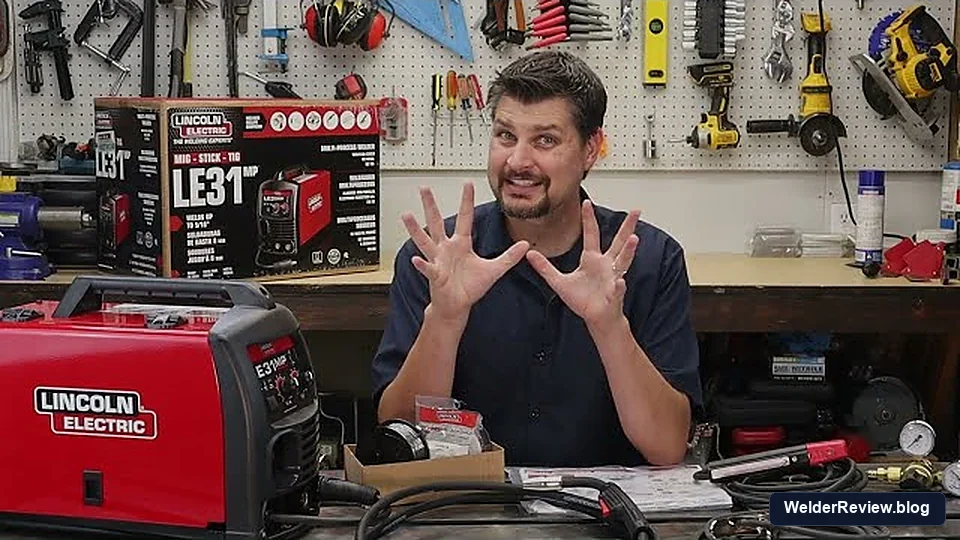
The housing construction features heavy gauge stamped steel panels with reinforced internal frames. Operators will notice distinct ergonomic differences in wire drive compartments and digital control interface panels.
Engineering the internal transformer layout reveals distinct thermal management variations between these multi-process units. The duty cycle ratings dictate continuous operating thresholds during heavy structural fabrication tasks.
Chassis construction utilizes heavy-gauge galvanized steel panels designed to withstand harsh shop environments. Integrated cooling fan mechanisms pull ambient air across sensitive circuit boards to prevent overheating failures.
- Inverter topology reduces overall cabinet weight significantly.
- Reinforced composite wire feed mechanisms improve feeding consistency.
- Digital display panels offer precise parameter adjustments.
Power Input and Electrical Architecture
Electrical efficiency dictates how long you can weld before hitting thermal overload protection limits. Finding the best welder for your garage ensures reliable dual-voltage capability for varied job sites.
Input power factor correction modules ensure stable arc characteristics even when operating on long extension cords. Voltage fluctuation tolerance prevents unexpected arc stutter during critical structural passes.
- Dual voltage flexibility supports 115v and 230v circuits.
- Power factor correction stabilizes low input voltage drops.
Real-World Performance Comparison
Arc initiation and puddle control remain the ultimate test for any multi-process welding machine. Clean bead profiles on thin sheet metal require exceptional low-amperage stability and precise inductance tuning.
Transitioning from MIG to TIG or stick welding highlights distinct behavioral differences in arc stiffness. Heavy plate fabrication pushes duty cycles to their absolute limits during multi-pass joint configurations.
Arc stability testing on thin automotive sheet metal demonstrates distinct voltage drop compensation curves. Operators running MIG welding parameters notice superior bead wetting profiles when dialing in precise wire feed speeds.
Pushing these machines toward their maximum amperage output exposes notable differences in puddle fluidity. TIG torch handling requires stable high-frequency starts, especially when joining aluminum alloy plates under strict industrial standards.
- Low-amperage MIG performance prevents burn-through on thin gauges.
- Stick welding hot start features eliminate electrode sticking issues.
- High-frequency TIG starts deliver clean tungsten preservation.
Duty Cycle and Thermal Management
Continuous output capacity directly limits industrial productivity in high-demand fabrication settings. Internal cooling fans pull ambient air across sensitive IGBT modules to dissipate heat efficiently.
Thermal overload sensors instantly interrupt welding output if internal temperatures exceed safe operating thresholds. Adequate cooling architecture ensures your machine recovers quickly between heavy structural welding passes.
- Forced-air cooling channels protect sensitive internal electronics.
- Thermal cutouts prevent premature transformer coil degradation.
Maintenance, Efficiency and Longevity
Routine upkeep prevents premature component failure and maintains optimal electrical conductivity across internal terminals. Regular inspection of drive rolls, contact tips, and ground clamps ensures consistent wire feeding.
Dust accumulation on circuit boards can cause electrical shorting in dirty industrial environments. Compressed air cleaning should be performed monthly to clear debris from sensitive cooling fans and heat sinks.
Routine preventive maintenance requires inspecting internal drive roll assemblies for accumulated metallic debris. Replacing worn contact tip components ensures consistent electrical transfer and prevents erratic wire feeding issues during shifts.
Power factor correction circuitry significantly improves electrical efficiency while drawing from standard wall receptacles. Monitoring transformer operating temperatures extends internal component lifespan across demanding multi-process fabrication schedules.
- Monthly compressed air clearing prevents destructive dust buildup.
- Drive roll maintenance eliminates bird-nesting wire feed issues.
- Terminal inspection ensures minimal electrical resistance losses.
Consumable Wear and Replacement Costs
Consumable lifespan heavily influences long-term operating expenses for professional fabrication shops. Selecting the best starter welder model ensures easy sourcing of replacement tips, nozzles, and liners without expensive downtime.
Premium contact tips resist copper pitting during high-amperage spray transfer welding operations. Keeping a well-stocked supply of spare consumables prevents frustrating interruptions during urgent customer deadlines.
- Standardized torch connections reduce consumable sourcing delays.
- High-grade copper tips extend continuous welding durations.
Which Option Fits Your Setup
Selecting the correct unit depends heavily on your primary material thicknesses and available electrical service. Hobbyists working on automotive restoration have different requirements than heavy structural steel contractors.
Evaluating your workspace constraints helps determine whether a portable compact machine or a heavy-duty workshop unit suits you. Budget allocations must factor in shielding gas bottles and safety gear.
Selecting the appropriate power source depends heavily on available shop circuit amperage and breaker capacities. Mobile contractors often prioritize lightweight inverter designs that easily integrate with portable engine-driven generators.
Stationary fabrication shops benefit from robust footprint layouts capable of supporting larger shielding gas cylinders. Matching your primary application requirements prevents premature equipment fatigue during high-volume production cycles.
- Automotive projects favor lightweight portability and thin gauge control.
- Structural fabrication demands high-amperage duty cycle endurance.
Workspace Integration and Ergonomics
Cable management and torch flexibility dictate physical fatigue levels during long fabrication shifts. Heavy rubber power leads resist cracking when dragged across abrasive concrete workshop flooring daily.
Compact footprints allow these machines to tuck neatly under standard welding workbenches. Well-placed carrying handles make field repairs much easier for mobile service truck operators.
- Flexible torch leads minimize wrist strain during complex welds.
- Compact cabinet designs save valuable floor space in small shops.
Advanced Control Interfaces and Setup
Modern units featured in our welder for beginners guide incorporate advanced digital microprocessors to simplify parameter selection. Synergic controls automatically adjust wire feed speed based on material thickness.
Manual override capabilities allow experienced welders to fine-tune arc characteristics for specialized alloys. Clear LCD screens display real-time voltage and amperage readings clearly during active welding operations.
Digital microprocessor controls provide exact parameter adjustments for voltage, amperage, and inductance parameters. Navigating the LCD interface screens allows operators to save custom presets for repetitive structural welding jobs.
Synergic adjustment modes automatically calculate optimal wire feed speeds based on material thickness inputs. Experienced fabricators can override manual override controls to fine-tune arc characteristics for specialized joint configurations.
- Synergic programs speed up parameter setup for novices.
- Manual overrides give experts total arc customization freedom.
Safety Compliance and Protection Systems
Electrical safety standards protect operators from hazardous open-circuit voltages during wet or damp working conditions. Integrated circuit breakers safeguard internal transformers against sudden power surges from utility grids.
Proper grounding remains mandatory to prevent stray currents from damaging sensitive vehicle computers during automotive repairs. Always verify local electrical codes before hardwiring higher-amperage industrial welding units.
- Open-circuit voltage reduction enhances operator safety outdoors.
- Ground fault protection prevents catastrophic electrical component damage.
Long-Term Value and Resale Considerations
Investing in reputable welding equipment ensures reliable performance and strong secondary market resale value over time. Brand reputation often correlates directly with the availability of factory replacement parts and service.
Evaluating warranty coverage protects your capital investment against unexpected manufacturing defects in electrical components. Comprehensive manufacturer support minimizes lengthy downtime when equipment repairs become necessary.
Evaluating long-term investment value involves assessing component availability and authorized service center network coverage. Purchasing units with robust warranty terms safeguards your capital against unexpected electrical component failures.
Secondary market demand remains consistently high for any reliable multi process welder option featuring solid-state electronics. Maintaining complete service record documentation significantly enhances equipment resale value when upgrading.
- Strong brand reputation supports solid resale market values.
- Robust warranty protection covers critical transformer and board failures.
Making the Final Buying Decision
Weigh your specific fabrication needs against the core engineering strengths of each tested machine. Reviewing duty cycle requirements and input power availability ensures total satisfaction with your final purchase.
Taking time to analyze these critical metrics guarantees your workshop remains productive and profitable. Choose the tool that best aligns with your daily welding demands and long-term goals.
- Match machine capabilities to your heaviest anticipated materials.
- Verify shop circuit amperage before finalizing your equipment selection.
Frequently Asked Questions
Which machine offers better portability for field repairs?
The Le31Mp features a lighter chassis design, making it much easier to transport between job sites. Compact dimensions ensure it fits effortlessly into standard service truck storage compartments.
Can both units handle aluminum spool gun attachments?
Yes, both welding machines support optional spool guns for feeding soft aluminum wire. Direct plug-in compatibility simplifies setup without requiring complicated external interface adapter modules.
What input power is required for maximum output?
Operating either machine at peak amperage requires a dedicated 230-volt electrical supply circuit. Using standard 115-volt household outlets will limit your maximum available welding output significantly.
Are these multi-process welders suitable for absolute beginners?
Synergic digital controls make parameter setup straightforward for inexperienced metal fabricators. Built-in preset programs help new operators achieve clean welds right out of the box.
How often should internal components be cleaned?
Monthly compressed air cleaning prevents destructive dust buildup inside the cabinet. Routine maintenance extends operating lifespan and protects sensitive inverter circuit boards from overheating.