Inverter vs Transformer Mig: Comprehensive Comparison
Modern welding operations require careful equipment selection based on electrical efficiency and portability. Choosing between these power sources dictates your daily fabrication workflow.

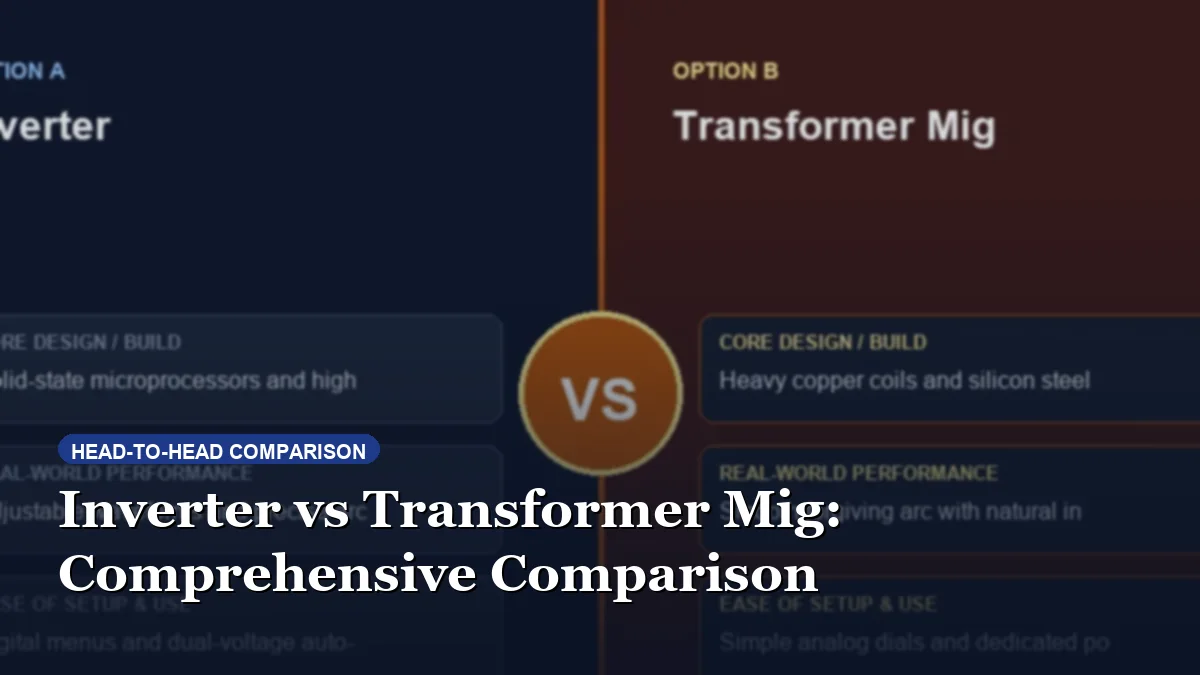
Pick an inverter MIG for lightweight portability and digital efficiency. Choose a transformer MIG when maximum duty cycle endurance matters most.
Compare all top models in our Best Welder: Top Home Shop & Jobsite Picks Tested.
Side-by-Side Breakdown
| Criteria | Inverter | Transformer Mig | Edge |
|---|---|---|---|
| Core Design / Build | Solid-state microprocessors and high-frequency electronics | Heavy copper coils and silicon steel cores | Inverter |
| Real-World Performance | Adjustable waveforms and precise arc control | Smooth forgiving arc with natural inductance | Tie |
| Ease of Setup & Use | Digital menus and dual-voltage auto-sensing | Simple analog dials and dedicated power drops | Inverter |
| Durability & Reliability | Sensitive to dust and moisture ingress | Rugged mechanical longevity in harsh shops | Transformer Mig |
| Efficiency / Operating Footprint | High electrical efficiency and lightweight chassis | Lower efficiency with massive heavy footprint | Inverter |
| Maintenance Requirements | Circuit board replacement by service centers | Local rewinding and simple mechanical repairs | Transformer Mig |
| Best Ideal Use Case | Mobile field repairs and thin sheet fabrication | Heavy industrial manufacturing and thick plates | Inverter |
Core Circuitry and Power Conversion Architecture
Modern inverter welding machines utilize solid-state electronic components to step up incoming line frequency significantly. This advanced conversion process allows internal transformers to shrink dramatically while maintaining high power output.
Engineers rely on insulated-gate bipolar transistors to switch electrical currents at high speeds. Such microsecond adjustments provide precise control over voltage fluctuations during active metal transfer phases.
- High-frequency switching reduces overall copper winding requirements.
- Microprocessor oversight manages dynamic arc characteristics continuously.
- Solid-state boards replace massive iron-core components entirely.
High-Frequency Solid-State Design
Advanced semiconductor switches transform standard wall power into high-frequency alternating current effortlessly. This technological leap slashes equipment weight without sacrificing raw welding amperage.
Precision microprocessors monitor arc conditions continuously to deliver optimal weld pool stability across varying metal thicknesses.
- Reduces physical transformer size and weight.
- Enables advanced pulsed welding waveforms.
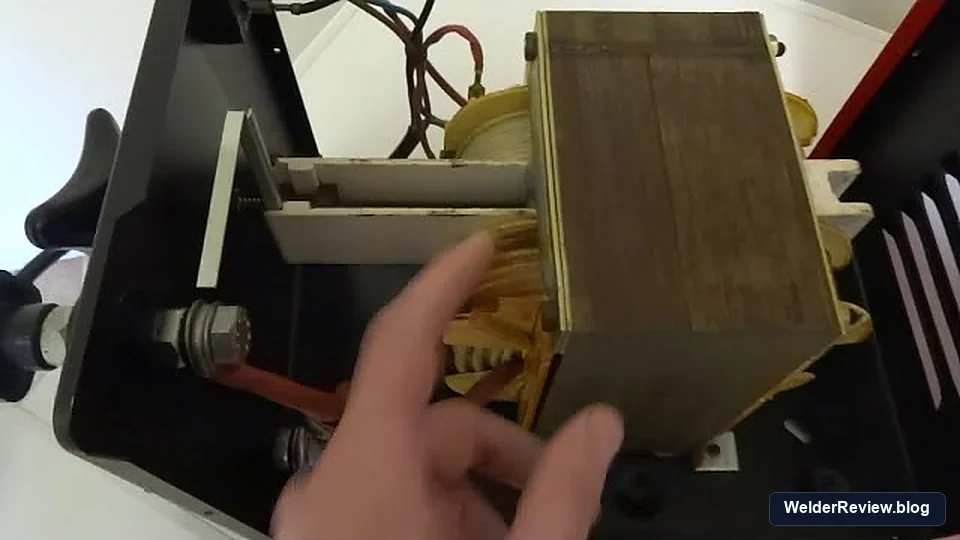
Traditional Copper and Iron Construction
Shop owners searching for affordable alternatives can explore choices detailed inside our best budget mig welder review. Transformer MIG machines depend on heavy copper wire coils and laminated silicon steel cores.
The sheer physical mass of traditional copper windings acts as a natural thermal reservoir. This brute-force electrical design absorbs severe heat loads during prolonged heavy industrial fabrication shifts.
- Heavy iron cores provide inherent electrical ballast and stability.
- Simpler analog circuitry eliminates delicate surface-mount microchips.
Electrical Efficiency and Input Power Demands
Inverter power sources typically feature high electrical efficiency ratings exceeding eighty-five percent. Advanced power factor correction circuitry minimizes reactive power draw from standard facility wall outlets.
Lower idle power consumption reduces monthly utility overhead for high-volume fabrication facilities. These units adapt smoothly to fluctuating generator power supplies on remote construction sites without voltage drops.
- Reduced amperage draw prevents frequent circuit breaker tripping.
- Generator compatibility ensures reliable field operation everywhere.
- Optimized power usage lowers overall operational overhead.
Power Factor Correction and Energy Savings
Smart electrical design minimizes wasted energy by aligning voltage and current phases properly. Shops notice immediate utility savings when switching from legacy equipment.
Clean power management protects sensitive internal electronics from incoming line surges and electrical noise.
- Minimizes reactive power losses significantly.
- Improves overall electrical grid compatibility.
Heavy Industrial Transformer Power Draw
Unlike smaller household units found in our best mig welder for home use guide, transformer MIG units draw substantial amperage from primary power sources due to core magnetic losses.
Facilities must install heavy-duty electrical drops to supply the massive surge currents required. Dedicated lines prevent voltage sag that might compromise shielding gas coverage during long runs.
- Higher primary amperage demands specialized shop wiring installations.
- Magnetic core hysteresis naturally increases idle power losses.
Duty Cycle Performance and Thermal Management
Compact inverter chassis pack dense electronic circuits into small spaces requiring aggressive internal cooling fans. While rated duty cycles continue to improve, prolonged carbon steel welding can trigger thermal shutdowns.
Sensitive circuit boards demand clean operating environments free from conductive metal dust. Airborne grinding debris can bridge delicate electrical traces inside tightly packed inverter enclosures rapidly.
- Forced-air cooling prevents internal semiconductor overheating.
- Dust accumulation poses serious risks to electronic longevity.
- Overload sensors protect vital microchips from thermal damage.
Thermal Limits in Compact Inverter Housings
Aggressive internal cooling fans push high volumes of air across exposed electronic heat sinks constantly. Environmental contaminants present a persistent hazard in busy fabrication shops.
Operators must monitor duty cycle ratings closely when pushing portable units through thick multi-pass structural welding tasks.
- Requires frequent air filter maintenance and cleaning.
- Thermal overload protection prevents permanent component damage.
Industrial Duty Cycle Endurance of Transformers
While novices often start with smaller setups found in our best beginner mig welders guide, traditional transformer MIG units excel in heavy industrial settings with massive duty cycles.
Structural steel fabricators trust these machines for continuous multi-pass welding on thick plates. The robust thermal mass prevents catastrophic hardware failures during grueling factory production shifts.
- High thermal mass absorbs immense operational heat loads.
- True one-hundred percent duty cycles support continuous industrial output.
Arc Stability and Weld Pool Control
Inverters offer advanced waveform control features including adjustable inductance and pulsed MIG parameters. Welders can tune arc characteristics precisely to minimize spatter on thin aluminum sheets.
Software-driven arc responses adapt instantly to short-circuiting metal transfer variations. This digital precision helps novice operators achieve clean bead profiles with minimal post-weld cleanup work.
- Pulsed MIG capabilities reduce heat input on delicate materials.
- Digital parameter storage recalls preferred welding recipes instantly.
- Arc force adjustments prevent electrode sticking during startup.
Digital Waveform Control in Inverter Systems
Microprocessors modify electrical output thousands of times per second to optimize droplet detachment. This level of control produces exceptionally clean welds across various metals.
Customizable parameters allow technicians to store favorite settings for repetitive production assembly tasks.
- Delivers ultra-smooth short-circuit transfer characteristics.
- Reduces post-weld spatter cleaning times.
Analog Simplicity and Natural Arc Softness
Transformer MIG units deliver a smooth, forgiving arc powered by pure alternating current conversion. The natural inductance of copper coils cushions the weld puddle against minor operator hand tremors.
Experienced fabricators appreciate the tactile feedback and predictable puddle behavior during heavy structural assembly. This analog simplicity provides consistent penetration profiles on thick structural steel joints.
- Inherent copper inductance softens the aggressive spray transfer arc.
- Consistent analog voltage curves deliver reliable root penetration.
Portability, Physical Footprint, and Shop Ergonomics
Lighter systems such as those featured in our best 110v mig welder roundup often weigh under thirty pounds, transforming field service work completely. Technicians can easily carry these compact power sources up extension ladders.
Ergonomic handles and shoulder straps make mobile repair jobs significantly safer for field crews. Small equipment footprints free up valuable cargo space inside service truck utility bodies.
- Featherweight construction reduces operator fatigue during transport.
- Compact dimensions fit easily into crowded mobile workshops.
- Quick deployment accelerates emergency repair turnaround times.
Lightweight Inverter Mobility on Job Sites
Compact dimensions allow technicians to transport welding gear without requiring heavy lifting equipment or specialized trailers. This mobility opens up new service opportunities across remote locations.
Shoulder straps and balanced chassis designs reduce physical strain during daily equipment loading tasks.
- Easily carried by a single service technician.
- Fits comfortably inside standard vehicle trunks.
Stationary Footprint of Heavy Transformer Units
Transformer MIG welders frequently exceed two hundred pounds, requiring dedicated rolling equipment carts. Their substantial size anchors them permanently to designated fabrication bays within manufacturing facilities.
Moving these heavy systems across rough concrete shop floors demands robust caster wheels. Consequently, shop floor layouts must accommodate fixed welding stations rather than mobile work setups.
- Massive equipment weight mandates permanent shop placement locations.
- Heavy-duty running gear is essential for safe relocation.
Maintenance Realities and Component Longevity
Inverter repair usually involves replacing entire printed circuit boards rather than individual components. Authorized service centers must diagnose delicate solid-state failures using specialized diagnostic computer software.
Protection against moisture and conductive dust extends electronic lifespan in harsh environments significantly. Regular compressed air cleaning prevents premature component failure inside densely packed inverter ventilation channels.
- Printed circuit board swaps replace faulty microscopic transistors.
- Moisture ingress destroys vulnerable surface-mount control microchips rapidly.
- Routine dusting safeguards internal cooling fan performance.
Servicing Complex Electronic Inverter Boards
Advanced electronics require specialized technician training and diagnostic tools when faults occur. Component-level board repairs are rarely attempted in standard welding shops.
Keeping ventilation louvers clean remains critical for preventing heat-related semiconductor degradation.
- Relies on modular circuit board replacements.
- Demands clean, dry operating environments.
Mechanical Durability of Copper-Wound Machines
Transformer MIG machines boast exceptional mechanical longevity with few electronic failure points. Local electrical repair shops can easily rewind damaged copper coils or replace rugged mechanical contactors.
These durable systems survive decades of heavy abuse in dusty, unconditioned metal fabrication shops. Their mechanical simplicity ensures long-term serviceability without relying on proprietary replacement circuit boards.
- Rugged mechanical switches withstand thousands of daily actuation cycles.
- Copper windings can be easily repaired or rewound locally.
Industrial Versus Fabrication Shop Applications
Fabrication shops handling diverse metals choose inverters for their versatility and precision. Automotive restoration technicians rely on these units to weld thin sheet metal without warping panels.
Mobile contractors value dual-voltage capabilities for running equipment on standard residential power. This flexibility eliminates the need for multiple dedicated machines across different job site locations.
- Dual-voltage input adapts seamlessly to changing power sources.
- Precision controls prevent burn-through on thin automotive body panels.
- Versatility supports varied fabrication tasks in smaller shops.
Selecting Inverters for Mobile and Precision Work
Versatile controls and light weight make inverters the top choice for custom fabrication shops. Welders switch between aluminum and steel projects quickly.
Multi-process capability often combines MIG, TIG, and stick welding into a single compact housing.
- Supports multiple welding processes in one machine.
- Ideal for repair work and custom fabrication.
Choosing Transformers for Heavy Structural Production
Heavy equipment manufacturers rely on transformers for continuous thick-plate structural welding applications. Shipyards and bridge builders utilize these rugged machines to maintain steady production around the clock.
When equipment uptime outweighs portability concerns, traditional transformer designs deliver unmatched reliability. Industrial operations accept the heavy physical footprint in exchange for absolute operational endurance.
- Continuous heavy plate welding demands rugged thermal endurance.
- Uncompromising reliability prevents costly factory production line bottlenecks.
Frequently Asked Questions
Can inverter MIG welders run safely on portable generators?
Most modern inverter welding machines feature advanced built-in voltage compensation circuits to handle dirty portable generator power safely without sustaining any internal electrical damage during field operations.
Always verify thoroughly that your specific generator output matches the recommended running wattage specifications outlined in the user manual.
Why do heavy industrial shops still prefer traditional transformer MIG units?
Heavy industrial manufacturing facilities continuously weld thick structural steel plates under punishing conditions that demand absolute thermal endurance and zero downtime.
Traditional transformers provide unmatched duty cycle longevity because their massive copper windings naturally dissipate extreme operational heat loads without relying on delicate microchips.
What maintenance steps protect inverter MIG electronics from premature failure?
Inverter machines require regular preventative maintenance including careful cleaning with dry compressed air to remove conductive metal dust and grinding debris from internal cooling channels.
Protecting sensitive circuit boards from moisture and heavy shop pollution significantly extends the overall operational lifespan of your solid-state power source.
Are transformer MIG welders too heavy for general mobile repair work?
Transformer MIG systems frequently exceed two hundred pounds in total weight, making them extremely difficult to transport safely to remote job sites without specialized heavy-duty transport trailers.
Stationary deployment inside a fixed fabrication bay remains the most practical and efficient operational approach for these massive copper-wound welding machines.
How does digital waveform control improve everyday MIG welding results?
Digital microprocessors continuously monitor and adjust arc parameters during short-circuiting metal transfer to minimize annoying spatter and reduce overall heat input on delicate joints.
Precise waveform tuning helps operators achieve clean, professional bead profiles on thin aluminum and stainless steel sheet materials effortlessly without extensive cleanup work.