Gas vs No Gas Mig Welding: Technical Comparison
Shielded metal inert gas systems utilize external shielding bottles for pristine joints, whereas flux-cored self-shielded setups generate internal gas protection, impacting outdoor utility and overall weld cleanliness.

Choose Gas MIG for clean indoor fabrication and thin sheet metal work, while opting for No Gas MIG when maximum outdoor wind resistance and deep penetration on thick steel are required.
Compare all top models in our Best Welder: Top Home Shop & Jobsite Picks Tested.
Side-by-Side Breakdown
| Criteria | Gas | No Gas Mig Welding | Edge |
|---|---|---|---|
| Core Design / Build | Requires compressed shielding gas cylinder and regulator | Uses self-shielding flux-cored wire without external gas | No Gas MIG |
| Real-World Performance | Exceptional bead appearance on thin automotive sheet metal | Aggressive penetration on heavy structural steel plates | Gas MIG |
| Ease of Setup & Use | Demands careful gas flow tuning and bottle management | Plug-and-play simplicity ideal for rapid field deployment | No Gas MIG |
| Durability & Reliability | Sensitive to crosswinds that disrupt gas coverage shields | Withstands harsh outdoor drafts and windy job sites | No Gas MIG |
| Efficiency / Operating Footprint | Bulky tank footprint limits tight workspace maneuverability | Compact, highly portable machine footprint for mobility | No Gas MIG |
| Maintenance Requirements | Minimal slag cleanup but requires contact tip inspection | Heavy slag chipping and spatter removal required | Gas MIG |
| Best Ideal Use Case | Precision indoor fabrication and sheet metal projects | Outdoor farm repairs and heavy structural steel welding | Split |
Core Design and Engineering Fundamentals
External shielding gas setups rely on compressed cylinders filled with argon or carbon dioxide blends to displace atmospheric oxygen. This mechanism creates a stable, visually clean arc pool ideal for structural fabrication workshops.
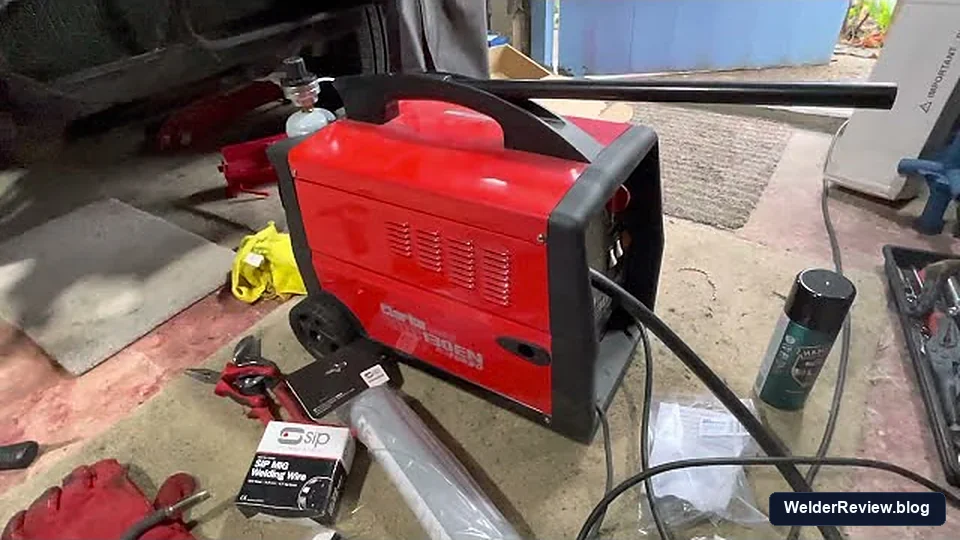
Conversely, self-shielded flux-cored wires contain a specialized chemical core that vaporizes under thermal arc exposure. This chemical reaction produces a protective gas cloud shield, eliminating the need for bulky external regulators and heavy tanks.
Engineering differences dictate how electrical current transfers through the contact tip into the workpiece. Gas configurations generally run on direct current electrode positive polarity, while flux setups frequently utilize reverse polarity for optimal penetration depth.
- Cylinder-based systems demand rigid safety chains and dedicated storage carts for high-pressure industrial gas bottles.
- Flux-cored wires feature an intricate hollow tubular structure packed tightly with specialized deoxidizers and active fluxing agents.
- Regulated gas delivery systems demand precise dual-gauge regulators calibrated meticulously to monitor constant shielding flow rates.
- Internal flux components completely eliminate costly external tank rentals, significantly reducing initial capital investment for mobile trucks.
Shielding Mechanics Explained
Shielding gas acts as an invisible blanket protecting the molten weld puddle from atmospheric nitrogen and oxygen contamination. Without this protective barrier, welds suffer from severe porosity and structural embrittlement.
Self-shielded tubular wires generate their own slag blanket that floats to the surface of the solidifying metal. This slag acts as a secondary defense mechanism against atmospheric interference during cooling.
- External argon blends promote smooth droplet transfer across the arc column.
- Flux vapor reactions create localized turbulence to stabilize arc transfer.
Electrical Polarity Variances
Switching between gas and no-gas configurations requires adjusting the machine polarity inside the wire feed compartment. Proper polarity ensures optimal heat distribution between the base material and filler wire.
Standard MIG welding with gas utilizes reverse polarity alongside the correct best gas for mig welding mild steel selections to keep the workpiece exceptionally cool.
- Correct polarity setup minimizes excessive spatter generation during operation.
- Thermal distribution shifts directly impact overall weld penetration profiles.
RealWorld Arc Performance and Weld Quality
Gas metal arc welding delivers superior aesthetic results with minimal post-weld cleanup required on clean steel surfaces. The smooth spray or short-circuit transfer produces flat, uniform weld beads.
No-gas flux-cored welding generates higher levels of spatter and leaves a thick layer of slag over every completed bead. Welders must manually chip away this slag crust using specialized chipping hammers.
Penetration characteristics also differ significantly between these two popular wire feeding methods used across modern fabrication shops and automotive restoration garages worldwide.
- Gas setups prevent oxidation defects on thin sheet metal panels without blowing through.
- Flux cores drive deep thermal energy into thick structural channels and rusty plates.
- Weld bead geometry remains flatter and cleaner when utilizing external shielding gas.
Sheet Metal Precision
Thin autobody panels require delicate heat control to prevent warping. Properly completing a mastering mig welder shielding gas cylinder setup tutorial enables lower heat input thresholds for automotive repairs.
Using flux-cored wire on thin sheet metal often results in frustrating blowouts due to concentrated arc temperatures. Experienced fabricators strictly avoid flux wires for thin-gauge restoration projects.
- Lower voltage settings preserve thin automotive steel integrity effectively.
- External gas cooling prevents excessive thermal distortion on panels.
Heavy Plate Penetration
Structural steel fabrication demands deep root penetration to withstand immense mechanical loads and heavy structural stresses. Self-shielded flux wire excels in heavy-duty applications requiring maximum joint strength.
The active deoxidizers inside flux-cored wire actively clean dirty or slightly rusted steel surfaces during welding operations. This chemical advantage reduces preparation time on heavy construction sites.
- Deep fusion zones anchor thick steel plates securely together.
- Chemical cleaning agents handle mill scale better than solid wire.
Setup Complexity and Equipment Portability
Setting up a gas-shielded machine involves securing heavy cylinders and applying our setting mig welding shielding gas flow rates guide carefully. This multi-step preparation limits rapid deployment on remote sites.
No-gas configurations offer true plug-and-play simplicity by omitting all external gas delivery components entirely. Operators simply load the spool, adjust tension, and begin welding immediately.
Job site mobility improves drastically when eliminating pressurized tanks from your daily service vehicle payload requirements.
- Gas bottles require secure tie-down straps to comply with workplace safety regulations.
- Flux machines fit easily into small truck beds for rapid roadside service calls.
- Hose connections introduce potential points of failure and gas leaks over time.
Workspace Footprint Management
Workshop floor space is precious, and bulky gas cylinders consume valuable clearance around stationary welding tables. Managing hose lines prevents tripping hazards in crowded fabrication environments.
Compact flux-cored setups reduce cluttered work areas by removing external bottle requirements completely from the operational envelope.
- Tanks restrict movement around large fabrication assemblies.
- Streamlined machines improve shop floor organization and safety.
Field Deployment Agility
Mobile repair technicians value equipment that transitions rapidly from service trucks to job sites without heavy lifting. Eliminating gas tanks saves significant physical effort during daily setups.
Remote farm repairs often occur miles from industrial gas supply distributors, making self-shielded wire an absolute necessity.
- Lightweight machines reduce fatigue during remote field maintenance tasks.
- Self-sufficiency ensures uninterrupted workflow away from supply stores.
Shielding Mechanics and Atmosphere Protection
Atmospheric gases like nitrogen and oxygen react negatively with molten weld metal, causing brittle joints and internal porosity. External gas shields create a mechanical barrier against surrounding air currents.
Self-shielded wires generate protective vapors from core ingredients that decompose rapidly under intense electric arc temperatures. This internal gas generation protects the puddle despite moderate ambient air movement.
Understanding wind dynamics helps operators choose the correct shielding method for indoor versus outdoor welding environments.
- Crosswinds easily blow away external shielding gas, ruining weld integrity outdoors.
- Flux vapor shields resist moderate wind gusts encountered on outdoor job sites.
- Shielding failure introduces microscopic voids that weaken ultimate tensile strength.
Indoor Controlled Environments
Protected workshop environments allow gas shielding systems to operate at peak efficiency without atmospheric interference. Steady air conditions guarantee flawless gas coverage across complex weld geometries.
Indoor fabrication maximizes aesthetic appeal by eliminating soot and heavy spatter accumulation on surrounding surfaces.
- Zero wind drafts ensure perfect gas bubble stability around the arc.
- Clean indoor conditions preserve high visual weld bead standards.
Outdoor Environmental Challenges
Welding outdoors exposes the electric arc to unpredictable wind currents that disrupt external gas umbrellas instantly. Contractors rely on flux-cored wires to maintain structural integrity in windy weather.
Wind screens provide temporary relief for gas setups, but flux wire remains the most reliable outdoor choice.
- Gusty conditions demand self-shielded wire for reliable atmosphere protection.
- Portable wind barriers enhance gas coverage during outdoor repairs.
Consumable Costs and Operating Efficiency
Operating costs extend beyond initial machine purchases to include recurring expenses for shielding gas refills and specialized wire spools. Solid wire paired with gas offers lower per-pound filler costs.
Flux-cored wire carries a higher purchase price per pound due to complex manufacturing processes involving internal chemical powders. However, saving on gas rentals balances overall expenses.
Calculating long-term operating budgets requires evaluating consumable consumption rates and local industrial gas supplier pricing structures.
- Solid steel wire is inexpensive and widely available at local hardware stores.
- Flux-cored wire spools incur higher upfront material costs per pound.
- Cylinder rental fees add recurring overhead expenses for low-volume hobbyists.
Wire Spool Economics
Solid MIG wire requires minimal manufacturing complexity, resulting in lower retail prices compared to tubular flux wires. High-volume production shops benefit greatly from bulk solid wire pricing.
Flux wires demand precise chemical powder filling during production, increasing retail costs significantly for everyday consumers.
- Bulk solid spools lower fabrication costs for commercial workshops.
- Specialized flux formulations command premium retail pricing structures.
Gas Cylinder Overhead
Owning versus leasing gas cylinders creates distinct financial considerations for welding operators and small business owners. Tank exchanges require recurring trips to local industrial gas distributors.
Eliminating gas bottles entirely removes cylinder rental deposits and periodic hydrostatic testing fees from your annual ledger.
- Cylinder leases incur annual fees regardless of actual gas usage.
- Refill logistics consume valuable time and transportation fuel resources.
Maintenance Protocols and LongTerm Reliability
Regular equipment maintenance ensures consistent wire feeding and dependable arc starts over years of heavy shop usage. Drive rolls and contact tips must be inspected and replaced periodically.
Flux-cored welding creates more smoke, spatter, and debris, requiring frequent cleaning of nozzles and contact tips. Buildup inside the gun liner can cause erratic wire feeding issues.
Gas delivery systems demand routine checks for hose cracks, regulator leaks, and solenoid valve performance to maintain shielding integrity.
- Spatter accumulation inside contact tips causes frustrating wire burnback problems.
- Liner cleanups prevent inconsistent wire feeding during long fabrication runs.
- Solenoid valves need periodic testing to ensure proper gas shutoff timing.
Torch and Gun Upkeep
Welding guns endure severe thermal stress and mechanical wear during daily fabrication tasks. Replacing worn contact tips and gas diffusers restores proper electrical contact and arc stability.
Anti-spatter gels help reduce nozzle buildup during heavy flux-cored welding sessions, extending consumable lifespans significantly across demanding shifts.
- Worn contact tips cause erratic arc behavior and poor wire tracking.
- Preventative maintenance reduces unexpected downtime on production lines.
Machine Internal Inspection
Drive roll tension assemblies must be calibrated correctly to prevent crushing soft flux wires or slipping on solid wires. Regular cleaning keeps dust and metal shavings away from internal gears.
Electrical connections inside the cabinet require occasional tightening to prevent resistance heating and voltage drop failures.
- Proper drive roll pressure prevents deformed wire and birdnesting.
- Internal dust removal protects delicate electronic control circuit boards.
Environmental Suitability and Application Match
Selecting the right welding process depends heavily on your specific working environment and target project materials. Indoor auto body shops require the clean finishes provided by gas shielding setups.
Agricultural repair operations and outdoor construction sites demand the rugged wind resistance and deep penetration of flux-cored wire. Matching tools to tasks prevents project failures.
Evaluating structural requirements helps determine whether aesthetic finish or heavy-duty penetration takes priority for your specific fabrication goals.
- Auto body restoration demands clean, low-heat gas MIG configurations.
- Farm equipment repairs rely on heavy-duty flux-cored penetration power.
- Structural outdoor projects require wind-resistant self-shielded wire systems.
Automotive and Sheet Metal
Automotive restoration involves intricate sheet metal welding where minimizing distortion is paramount. Reviewing our mig wire size selection for sheet metal guide helps choose ideal filler diameters.
Clean welds reduce grinding time significantly before body filler and paint application phases begin on restored classic car panels.
- Low heat input protects thin automotive panels from warping.
- Minimal cleanup accelerates overall project turnaround times.
Structural and Heavy Fabrication
Heavy structural fabrication requires maximum joint strength and reliable penetration on thick steel sections. Flux-cored welding delivers the robust mechanical properties needed for load-bearing structures.
Outdoor construction frameworks benefit immensely from self-shielded wire resilience against variable weather conditions.
- High deposition rates speed up heavy structural welding tasks.
- Deep root fusion guarantees structural load-bearing compliance.
Frequently Asked Questions
Can I use flux-cored wire with shielding gas?
Yes, dual-shield flux-cored wires require external gas for enhanced mechanical properties. This hybrid method delivers superior structural weld integrity in heavy industrial applications.
Why is my no-gas MIG weld covered in heavy slag?
The slag crust is a normal byproduct of vaporizing flux agents that protect the molten metal. You must chip away this layer to reveal the clean weld bead underneath.
Is gas MIG welding better for beginners?
Gas MIG is generally easier to learn because it produces less spatter and cleaner visibility. Beginners appreciate the clear puddle view without heavy slag interference.
Can I weld aluminum using no-gas flux wire?
No, self-shielded flux-cored wire is designed strictly for carbon steel applications. Welding aluminum successfully requires argon shielding gas and specialized spool gun setups.
How do I prevent porosity when gas welding outdoors?
Outdoor breezes disrupt external gas umbrellas and cause porous, weak welds. Erecting portable wind screens or switching to flux-cored wire solves this problem.