Everlast vs Miller Welder: Professional Head-to-Head
Choosing between Everlast and Miller means balancing upfront feature value against legendary industrial longevity. This technical guide breaks down their core operational differences.

Pick Everlast for multi-process digital value on a budget, or choose Miller for uncompromising duty cycle and nationwide service support.
Compare all top models in our Best Welder: Top Home Shop & Jobsite Picks Tested.
Side-by-Side Breakdown
| Criteria | Everlast | Miller Welder | Edge |
|---|---|---|---|
| Core Design / Build | IGBT inverter topology with multi-voltage inputs | Heavy-duty industrial chassis with robust shielding | Miller |
| Real-World Performance | Exceptional arc stability on high-end TIG units | Proven crisp arc characteristics across all processes | Miller |
| Ease of Setup & Use | Digital menus with extensive parameter controls | Intuitive analog and digital panel configurations | Everlast |
| Durability & Reliability | Good hobbyist and light fabrication lifespan | Decades of multi-shift industrial dependability | Miller |
| Efficiency / Operating Footprint | Compact lightweight cabinets with high portability | Heavier structural frames designed for fixed bays | Everlast |
| Maintenance Requirements | Requires careful board-level diagnostics if faults occur | Extensive modular replacement parts and local service | Miller |
| Best Ideal Use Case | Advanced home shops and budget-conscious fabricators | Production manufacturing lines and heavy structural welding | Miller |
Core Design and Engineering Differences
Modern welding machine architecture relies heavily on advanced power conversion topologies. Everlast implements modern IGBT inverter technology to reduce machine weight while maintaining high output capacities across multi-process systems.
Miller approaches engineering with a focus on rugged industrial duty cycles. Their transformers and rectifiers utilize oversized heat sinks and robust internal shielding to withstand harsh fabrication environments.
Electrical efficiency remains a primary design goal for both manufacturers. Power factor correction circuits help minimize harmonic distortion and reduce total input current draw during peak welding operations.
Miller engineering relies on proprietary inverter topologies designed for long-term reliability. Meanwhile, as detailed in our everlast 210 ext review, those Everlast units utilize advanced high-frequency modules providing exceptional electrical efficiency.
Internal component layout differs significantly between brands. Miller uses potted circuit boards to resist dust, whereas Everlast builds modular boards for straightforward field repairs.
Transformer sizing and primary circuit protection adhere strictly to NEMA standards. Miller units often feature heavier copper wound inductors, improving arc smoothness under heavy electrical load.
- Everlast prioritizes high-density multi-process boards
- Miller uses heavy-duty modular copper windings
- Both brands utilize advanced digital microprocessors
Inverter Architecture and Circuitry
Internal circuit board layouts dictate how well a machine handles thermal stress. Everlast packs numerous digital control features onto dense single-board arrays within compact chassis designs.
Miller isolates sensitive control circuitry away from high-current power stages. This layout prevents electromagnetic interference and protects internal microchips from severe workshop voltage spikes.
- Isolated control boards reduce EMI risks
- Dense board designs lower overall unit weight
Real-World Performance and Arc Stability
Arc characteristics determine the overall quality of completed weld joints. Everlast power sources deliver surprisingly smooth low-amperage TIG arcs, making them popular among precision fabricators and motorsports builders.
Miller machines maintain a legendary reputation for arc initiation and puddle control. As highlighted in our miller 215 review, their proprietary waveform controls ensure minimal spatter during short-circuit MIG welding operations.
When switching between aluminum TIG and heavy steel stick welding, both brands perform admirably. However, Miller units offer slightly better arc stiffness under erratic voltage drops.
Miller multi process machines deliver exceptional arc starts using adaptive hot start technology. This effectively minimizes spooled wire stubbing during standard short circuit metal inert gas welding operations.
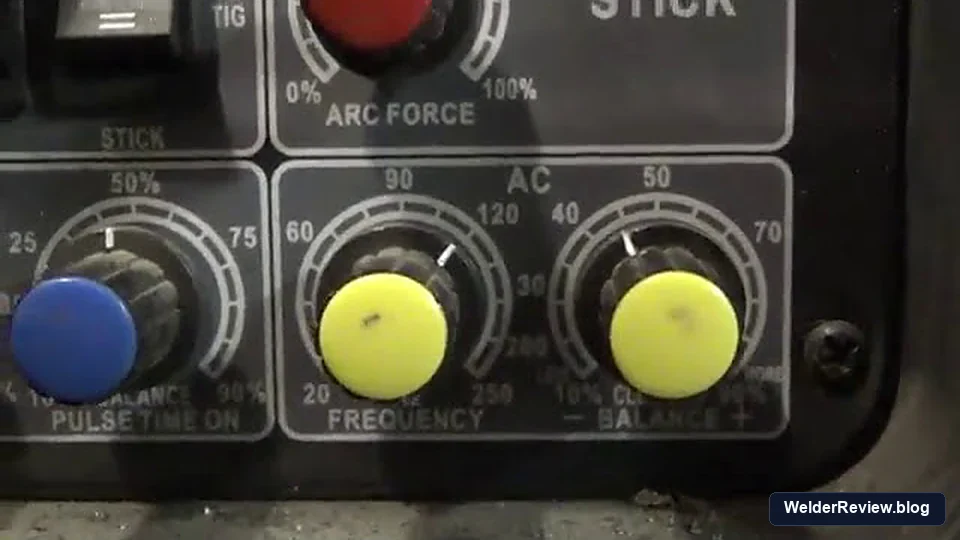
Everlast units excel in TIG mode with precise alternating current frequency adjustments. Operators can easily modify the arc cone focus for thin aluminum sheet metal fabrication.
Voltage fluctuation handling varies significantly during portable generator use. Miller circuitry incorporates robust line voltage compensation, protecting internal components from sudden generator power spikes.
- Everlast excels in high-frequency TIG arc initiation
- Miller provides exceptionally stable MIG short-circuit transfer
- Both handle 7018 stick electrodes without sticking
Low-Amperage TIG Starts
Precision welding on thin gauge metals demands reliable arc starts. Everlast incorporates adjustable high-frequency and lift-arc options that initiate smoothly down to very low amperages.
Miller utilizes advanced arc control software to establish clean tungsten contact without contaminating base materials or eroding delicate tungsten tips prematurely.
- Adjustable pre-flow and post-flow timers
- Consistent high-frequency spark stability
Duty Cycle, Efficiency, and Thermal Management
Thermal management dictates duty cycle limits before internal over-temperature protections trigger. As noted in our miller 220 review, Miller implements aggressive tunnel cooling designs that direct airflow over critical transformer components.
Everlast relies on multi-fan cooling arrays that activate dynamically based on internal temperature sensors. This intelligent fan operation reduces dust ingestion during lighter fabrication tasks.
Industrial fabrication shops require heavy duty cycles exceeding sixty percent at rated output. Miller consistently meets or exceeds these rigorous industrial benchmarks across their professional product lines.
Thermal design dictates continuous output capabilities during heavy structural fabrication. Miller employs oversized aluminum heatsinks coupled with demand driven cooling fans to reduce internal dust intake.
Everlast implements aggressive cooling fan configurations to maintain high duty cycles. Their machines sustain heavy amperage outputs without triggering premature thermal overload protection circuits.
Power factor correction technology enhances electrical efficiency across both machinery lineups. This advanced design allows safe operation on limited residential circuits without tripping main breakers.
- Tunnel cooling protects Miller internal electronics
- Dynamic fans reduce dust buildup in Everlast units
- Industrial duty cycles favor Miller for production work
Continuous Industrial Load Handling
Pushing welding equipment to its maximum amperage limit tests thermal endurance. Miller transformers resist thermal saturation during multi-pass structural steel assembly projects.
Everlast systems handle intermittent shop tasks exceptionally well but may require thermal rest periods during sustained carbon arc gouging or heavy plate fabrication.
- Thermal sensors prevent catastrophic component failure
- Oversized heat sinks dissipate heavy electrical loads
Maintenance, Parts Availability, and Longevity
Equipment longevity depends heavily on preventive maintenance and parts accessibility. According to our multimatic 220 review, Miller maintains a massive distribution network ensuring replacement torch leads remain locally available.
Everlast provides strong direct consumer support and ships replacement components rapidly from central warehouses. However, finding specialized circuit boards locally can sometimes prove challenging.
Routine maintenance like cleaning dust buildup with compressed air remains essential for both brands. Keeping internal cooling pathways clear prevents premature electrical component degradation.
Routine maintenance requires regular internal dusting using dry compressed air. Miller replacement parts are stocked globally, ensuring minimal equipment downtime for commercial fabrication shops.
Everlast supports do it yourself maintenance by offering accessible internal components and clear wiring diagrams. However, specialized replacement circuit boards may require direct manufacturer shipping.
Chassis construction impacts overall machine longevity in harsh jobsite environments. Heavy gauge powder coated steel panels protect internal electronics from moisture, impact, and corrosive industrial atmospheres.
- Miller boasts extensive local service center networks
- Everlast relies on direct factory technical support
- Regular compressed air cleaning extends machine life
Servicing PCB Assemblies vs Modular Units
Diagnosing modern welding machine faults often requires replacing entire circuit assemblies. Miller designs modular internal components that simplify technician diagnostics and field repairs.
Everlast units require careful multimeter testing of solid-state relays and integrated circuits when troubleshooting complex electronic faults outside standard warranty periods.
- Modular replacement parts speed up repair times
- Solid-state electronics require precise diagnostic tools
Ergonomics, Interface Design, and Portability
Operator interface layout significantly impacts daily shop productivity. Everlast units frequently feature comprehensive digital displays with straightforward menu navigation for advanced pulse parameters.
Miller balances traditional analog dials with rugged digital screens, allowing gloved operators to adjust settings quickly without navigating complex nested sub-menus.
Portability remains a major deciding factor for mobile welding contractors. Everlast generally offers lighter overall cabinet weights for equivalent amperage outputs compared to Miller.
Control panel layouts reflect distinct engineering design philosophies. Miller favors simplified digital displays with preset parameter synergy, reducing setup time for less experienced operators.
Everlast interfaces feature manual rotary knobs and dedicated push buttons for every function. Professional welders prefer this direct physical access when wearing heavy leather welding gloves.
Portability depends on total chassis weight and integrated handle durability. Both brands offer lightweight inverter models, but heavy duty industrial units require dedicated wheeled carts.
- Everlast offers feature-rich digital screen layouts
- Miller balances rugged knobs with clear readouts
- Lighter cabinet weights improve mobile service utility
Digital Menu Navigation and Controls
Advanced multi-process machines require clear control mapping. Everlast organizes pulse frequency, AC balance, and cleanup parameters logically across bright LED screens.
Miller keeps primary welding controls instantly accessible via tactile physical dials, reducing setup friction during fast-paced production welding shifts.
- Tactile knobs work well with heavy welding gloves
- Clear digital readouts display exact amperage targets
Application Fit: Fabrication Shop vs Mobile Rig
Matching the correct machine to your specific work environment ensures maximum return on investment. Mobile service trucks benefit greatly from the lighter footprints of Everlast power sources.
Fixed production assembly lines demand the bulletproof reliability and continuous duty cycles characteristic of heavy Miller industrial machines.
Budget-conscious independent fabricators find incredible value in Everlast feature sets, while commercial contractors rely on Miller brand reputation for client confidence.
Heavy industrial production environments demand equipment built for continuous two shift operation. Miller machines integrate seamlessly into automated robotic cells and static shop workstations.
Field service technicians often choose Everlast for mobile rig installations. Their versatile multi process capabilities handle diverse on site repair tasks without requiring multiple machines.
Strict safety compliance remains paramount when selecting equipment for commercial job sites. Both major manufacturers build machines thoroughly meeting rigorous national electrical safety standards.
- Mobile rigs benefit from compact Everlast units
- Production bays thrive on rugged Miller machines
- Independent shops weigh feature value against support
Determining Your Optimal Machine Class
Assessing your daily amperage requirements and duty cycle needs clarifies your purchasing decision. High-end hobbyists and custom fabricators get more specialized features per dollar with Everlast.
Professional operations requiring decades of uncompromised reliability find their long-term investment justified by choosing premium Miller equipment.
- Analyze maximum plate thickness requirements
- Calculate realistic daily operational duty cycles
Frequently Asked Questions
Which brand offers better overall value for advanced home fabrication shops?
Everlast delivers exceptional feature-rich digital performance and multi-process versatility at a much lower financial investment. This makes them ideal for custom builders seeking maximum capability.
Can Everlast welders compete with Miller units in heavy industrial production environments?
While Everlast handles light to medium fabrication easily, Miller dominates heavy industrial spaces due to superior duty cycles and robust structural durability. Professional shops rely on Miller.
How does parts availability compare between Everlast and Miller equipment?
Miller benefits from a massive nationwide network of local welding supply distributors and authorized service centers. Everlast relies primarily on direct factory support and online warehouse shipping.
Are Everlast machines harder to service when electronic components fail?
Troubleshooting dense circuit boards can require specialized diagnostic knowledge and factory parts assistance. Miller utilizes modular internal designs that often simplify local technician repairs.
Which manufacturer provides better arc stability for precision aluminum TIG welding?
Both brands produce exceptionally clean AC waveforms with adjustable frequency controls for aluminum. Everlast units offer incredible low-end arc performance for delicate sheet metal work.