6011 vs 6013 Welding Rod: Technical Breakdown
Choosing between these two structural carbon steel electrodes dictates your arc stability and slag control. Reviewing technical properties ensures proper joint integrity.

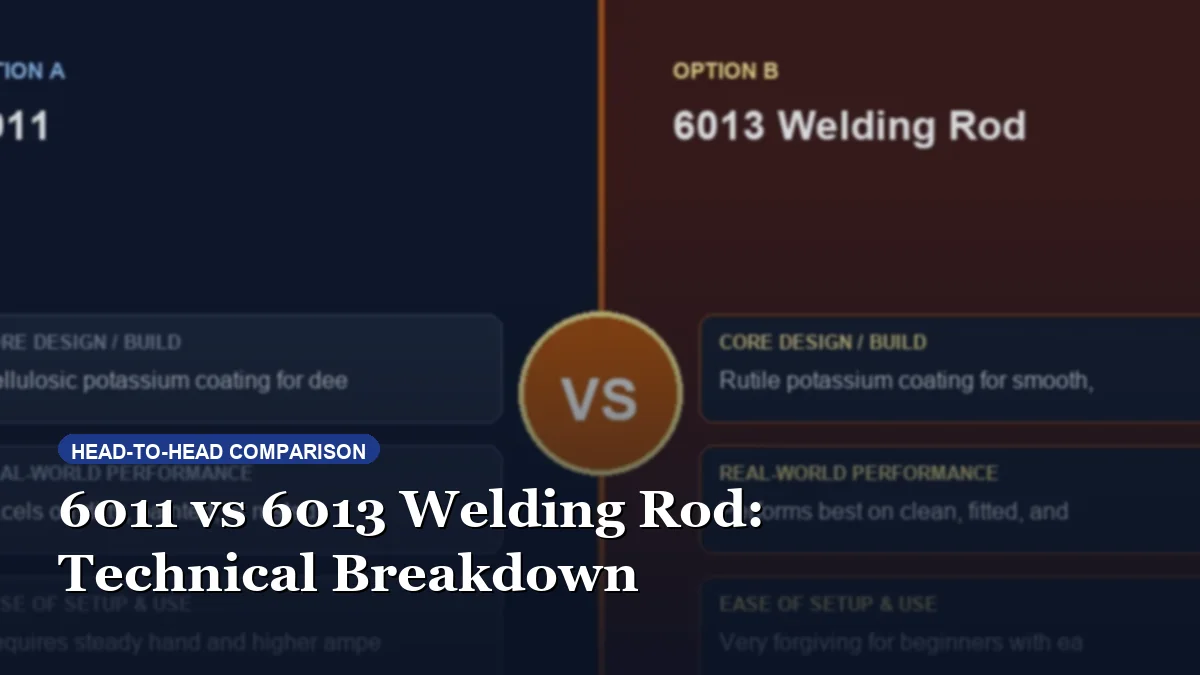
Choose 6011 for rusty structural repairs requiring deep penetration, while selecting 6013 for clean sheet metal work demanding smooth aesthetics and minimal spatter.
Compare all top models in our Best Welder: Top Home Shop & Jobsite Picks Tested.
Side-by-Side Breakdown
| Criteria | 6011 | 6013 Welding Rod | Edge |
|---|---|---|---|
| Core Design / Build | Cellulosic potassium coating for deep digging arc force. | Rutile potassium coating for smooth, stable arc characteristics. | 6011 |
| Real-World Performance | Excels on dirty, painted, or rusted carbon steel surfaces. | Performs best on clean, fitted, and prepped joint setups. | 6011 |
| Ease of Setup & Use | Requires steady hand and higher amperage settings. | Very forgiving for beginners with easy arc strikes. | 6013 Welding Rod |
| Durability & Reliability | High tensile strength with robust crack-resistant welds. | Clean bead profile with moderate penetration depth. | 6011 |
| Efficiency / Operating Footprint | High spatter level requiring post-weld grinding cleanup. | Low spatter output with self-detaching slag layers. | 6013 Welding Rod |
| Maintenance Requirements | Requires dry storage to prevent moisture-related porosity. | Standard electrode storage with minimal moisture sensitivity. | 6013 Welding Rod |
| Best Ideal Use Case | Heavy field repairs, farm equipment, and maintenance jobs. | Sheet metal fabrication, general repairs, and light structural work. | Split |
Core Design and Engineering Differences
Understanding electrode classification requires examining chemical coatings and core wire metallurgy. The cellulosic coating on the first option creates expanding gases that forcefully drive molten metal into the joint.
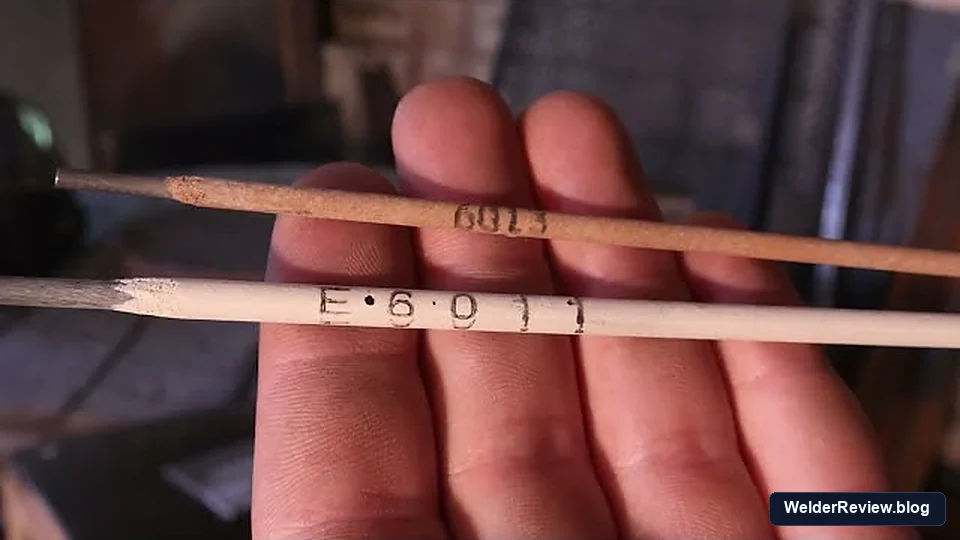
Conversely, the rutile formulation on the second option relies on titanium dioxide to stabilize the arc. This creates a softer, more fluid puddle that produces superior aesthetic bead profiles on steel plates.
Engineers specify variables using our guide to electrode classifications based on structural demands and joint configurations. Selecting the correct electrode chemistry prevents common welding discontinuities and structural failures.
- Cellulosic potassium flux drives deep arc penetration.
- Rutile titanium coating ensures smooth arc stability.
- Core wire tensile strength reaches sixty thousand pounds.
Metallurgical Composition and Flux Chemistry
The flux coating dictates how the electrode interacts with base metal impurities. Cellulosic coverings burn rapidly to shield the weld pool using self-generated shielding gases.
Rutile formulations deposit a denser slag blanket that protects cooling metal from atmospheric contamination. Both designs meet AWS structural carbon steel specifications under strict manufacturing tolerances.
- Moisture content affects cellulosic coating performance significantly.
- Titanium dioxide promotes smooth metal transfer rates.
Polarity and Current Compatibility
Operating parameters vary significantly between these two standard welding electrodes. Cellulosic rods run exceptionally well on alternating current and direct current electrode positive configurations.
Rutile electrodes offer versatile operating envelopes across alternating current and direct current straight polarity setups. Matching machine capabilities to electrode requirements ensures optimal arc performance.
- Direct current reverse polarity maximizes penetration depth.
- Alternating current operation reduces unwanted magnetic arc blow.
Real-World Performance and Joint Penetration
Field performance separates these two electrodes during demanding structural repairs. Pairing proper rods with our best starter welding machine review ensures the cellulosic rod burns through heavy mill scale without stalling the arc.
Operating the rutile alternative on contaminated steel often results in trapped slag inclusions and porosity. Welders must grind joint surfaces clean before striking an arc with this electrode.
Penetration profiles dictate structural load capacity in heavy equipment fabrication. Deep digging arc characteristics provide superior root pass fusion on thick carbon steel plates.
- Deep penetration melts through stubborn surface contaminants.
- Shallow penetration reduces burn-through risk on thin metals.
- Fillet weld profiles vary based on electrode manipulation.
Penetration Depth and Base Metal Fusion
Deep root penetration makes the cellulosic electrode ideal for structural joints requiring maximum strength. The forceful arc digs aggressively into heavy steel plate configurations.
Shallow penetration profiles prevent distortion when joining thin sheet metal components. Welders appreciate this characteristic when fabricating delicate enclosures or automotive panels.
- Aggressive arc force penetrates thick structural steel plates.
- Gentle puddle action prevents distortion on thin sheet metal.
Handling Contaminated and Rusted Surfaces
Maintenance welding frequently involves rusted, oily, or painted steel surfaces. Cellulosic electrodes blast through these contaminants to fuse directly with sound base metal underneath.
Rutile electrodes lack the aggressive arc force required to displace heavy surface corrosion. Operators must invest time in mechanical preparation before welding with these rods.
- Cellulosic rods tolerate moderate rust and mill scale.
- Surface preparation is mandatory for rutile electrode success.
Ease of Setup and Operator Technique
Operator skill levels heavily influence electrode selection during shop production runs. Reviewing our best welding machine for beginners guide reveals why rutile electrodes offer an exceptionally smooth, forgiving arc for students.
Controlling a cellulosic electrode demands precise arc length control and rapid travel speeds. Experienced fabricators master this technique to achieve consistent welds in all operational positions.
Positional welding capabilities differ between the two consumables during vertical up progressions. Proper technique ensures sound deposit integrity without excessive weld metal sagging.
- Smooth arc characteristics benefit novice welding operators.
- Precise arc length control prevents electrode sticking issues.
- All-position capability requires adjusted travel speed techniques.
Arc Strike and Restrike Characteristics
Striking an arc smoothly depends heavily on the condition of the electrode tip. Rutile coatings feature an easy-starting flux that initiates stable arcs instantly upon contact.
Cellulosic electrodes may require slight chipping of the tip flux to expose bare wire. Once lit, the aggressive arc burns steadily across rusty or painted joints.
- Instant arc initiation reduces non-productive downtime.
- Tip preparation ensures reliable starting on dirty steel.
Positional Welding and Slag Control
Overhead and vertical welding demand quick-freezing slag systems. Cellulosic rods excel in out-of-position scenarios because the molten puddle solidifies rapidly under gravity.
Rutile electrodes produce fluid slag that requires careful manipulation during vertical down progressions. Maintaining tight arc gaps prevents slag entrapment defects in critical joints.
- Fast-freezing slag supports out-of-position structural welding.
- Fluid slag requires correct gun angle manipulation.
Maintenance, Efficiency and Operating Footprint
Post-weld cleanup impacts overall shop productivity and project completion schedules. Cellulosic electrodes generate substantial spatter and heavy slag that require intensive grinding and chipping.
Rutile electrodes deposit cleaner welds with minimal spatter and self-detaching slag layers. This efficiency reduces finishing labor costs significantly across high-volume production environments.
Consumable storage requirements also influence operating overhead in professional fabrication facilities. Proper moisture control preserves electrode integrity and prevents hydrogen-induced cracking.
- High spatter output increases post-weld grinding labor.
- Self-detaching slag improves overall fabrication shop efficiency.
- Proper electrode storage prevents moisture-induced weld defects.
Slag Removal and Post-Weld Cleanup
Removing stubborn slag from deep joint passes requires durable chipping hammers. Cellulosic slag adheres tightly to concave fillet profiles on structural steel assemblies.
Rutile slag often curls and lifts away spontaneously as the weld cools. This characteristic leaves clean, attractive bead surfaces ready for immediate painting.
- Tight slag adherence demands mechanical chipping tools.
- Self-peeling slag minimizes manual post-weld cleanup time.
Storage, Moisture Sensitivity, and Shelf Life
Cellulosic coatings absorb atmospheric moisture rapidly if stored in humid environments. Damp electrodes cause excessive porosity and internal cracking within structural weldments.
Rutile rods exhibit lower moisture sensitivity during standard workshop storage conditions. Maintaining dry storage cabinets protects consumable quality and weld integrity.
- Cellulosic coatings require strict humidity-controlled storage.
- Standard electrode ovens restore compromised moisture levels.
Structural Integrity and Mechanical Properties
Mechanical testing verifies that both electrodes meet minimum tensile strength requirements. Structural engineers rely on certified electrode data sheets to calculate joint load capacities.
Impact toughness at low temperatures varies between cellulosic and rutile weld deposits. Choosing the right consumable ensures safe operation in demanding outdoor winter conditions.
Ductility parameters allow welded structures to absorb dynamic loads without brittle fracture. Proper heat input management preserves base metal and weld metal mechanical properties.
- Tensile strength ratings meet standard structural specifications.
- Low-temperature impact toughness prevents brittle joint failure.
- Ductility accommodates dynamic mechanical loading forces.
Tensile Strength and Yield Parameters
Tensile ratings guarantee that deposited weld metal exceeds base metal limits. Both electrodes provide robust mechanical strength suitable for standard carbon steel fabrication.
Yield strength metrics ensure structural members resist permanent deformation under load. Engineers specify electrode classes based on calculated stress distribution models.
- Nominal tensile strength reaches sixty thousand psi.
- Yield strength calculations ensure structural safety factors.
Ductility and Impact Resistance
Ductility allows welded joints to bend rather than fracture under stress. Cellulosic deposits offer excellent elongation properties for high-vibration equipment frames.
Impact testing confirms energy absorption capabilities across sub-zero temperature ranges. Selecting appropriate consumables prevents catastrophic structural failures in cold climates.
- Elongation percentages indicate superior joint ductility.
- Charpy V-notch testing verifies low-temperature impact resistance.
Cost Analysis and Consumable Efficiency
Evaluating consumable expenses involves more than initial purchase box pricing. Labor costs associated with weld cleanup and defect repair dictate overall project profitability.
Selecting rutile electrodes reduces finishing time on architectural and sheet metal projects. Conversely, cellulosic rods eliminate preparatory grinding time on weathered structural steel.
Balancing material expenses against labor efficiency maximizes fabrication shop output. Managers analyze job requirements carefully before purchasing bulk electrode inventories.
- Initial box pricing influences consumable budgeting decisions.
- Cleanup labor impacts total project fabrication expenses.
- Bulk purchasing reduces per-pound operational overhead costs.
Labor Savings Versus Consumable Expense
Skid-steer buckets and heavy farm implements require durable welds that withstand abuse. Using cellulosic rods saves hours of surface grinding on dirty repair jobs.
Sheet metal enclosures demand fast assembly speeds and clean appearance. Rutile electrodes minimize grinding labor and accelerate overall production throughput.
- Eliminating prep grinding saves valuable labor hours.
- Fast finishing speeds increase daily shop production output.
Waste Reduction and Electrode Stub Loss
Electrode stub loss contributes to consumable waste during production runs. Operators must discard short stubs safely to maintain safe working conditions.
Proper electrode holder positioning minimizes wasted core wire material. Training welders on efficient stub length practices reduces consumable overhead expenses.
- Minimizing stub length reduces overall consumable waste.
- Proper disposal practices maintain safe shop floors.
Which Option Fits Your Setup and Application
Determining the ideal electrode depends on your specific equipment and goals. Consulting our best welding rods for beginners guide shows how portable engine-driven generators pair exceptionally well with cellulosic rods.
Standard shop transformer machines power rutile electrodes smoothly for indoor fabrication tasks. Assessing your power source capabilities ensures stable arc performance during operation.
Matching consumable characteristics to your exact material thickness guarantees professional results. Reviewing these technical guidelines empowers you to make confident welding decisions.
- Engine-driven generators suit remote cellulosic fieldwork.
- Shop transformer machines power rutile electrodes efficiently.
- Material thickness dictates optimal electrode diameter selection.
Fieldwork Versus Indoor Shop Fabrication
Outdoor maintenance repairs require consumables that tolerate wind and contamination. Cellulosic electrodes perform reliably in adverse weather conditions without shielding gas bottles.
Indoor fabrication shops benefit from the clean aesthetics of rutile electrodes. Controlled environments maximize the efficiency of self-cleaning slag systems.
- Field repairs demand wind-resistant cellulosic arc stability.
- Indoor shops leverage clean rutile finishing speeds.
Selecting the Correct Electrode Diameter
Electrode diameters must correspond directly with base metal thickness gauges. Thicker steel plates require larger rod sizes to deliver adequate heat input.
Thin sheet metal components demand smaller electrode diameters to prevent burn-through. Consulting standard amperage charts ensures proper operational parameter setups.
- Larger diameters deliver high heat input for thick plates.
- Smaller gauges prevent burn-through on thin sheet metals.
Frequently Asked Questions
Can I use 6011 on AC welding machines?
Yes, 6011 electrodes operate effectively on AC power sources if the machine provides sufficient open-circuit voltage for arc stability.
Why is 6013 preferred for sheet metal?
The shallow penetration profile of 6013 prevents burn-through on thin steels while delivering smooth aesthetic bead appearance.
Do I need to clean rust before using 6011?
No, 6011 features deep digging arc force that burns through moderate rust, paint, and mill scale effortlessly.
How should I store my welding electrodes?
Store electrodes in humidity-controlled dry storage cabinets to prevent moisture absorption and subsequent weld porosity.
What causes slag entrapment with 6013 rods?
Slag entrapment typically results from maintaining excessive arc length or traveling too slowly during out-of-position passes.